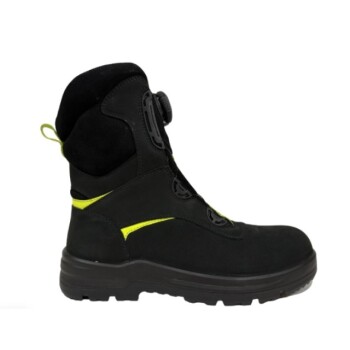
When considering high-end, bike-specific boots, user experiences are notably divided. While some riders find them to be a durable and effective solution for keeping feet warm and dry, many others report that they fail to perform in extreme cold and are ultimately not worth their premium price tag.
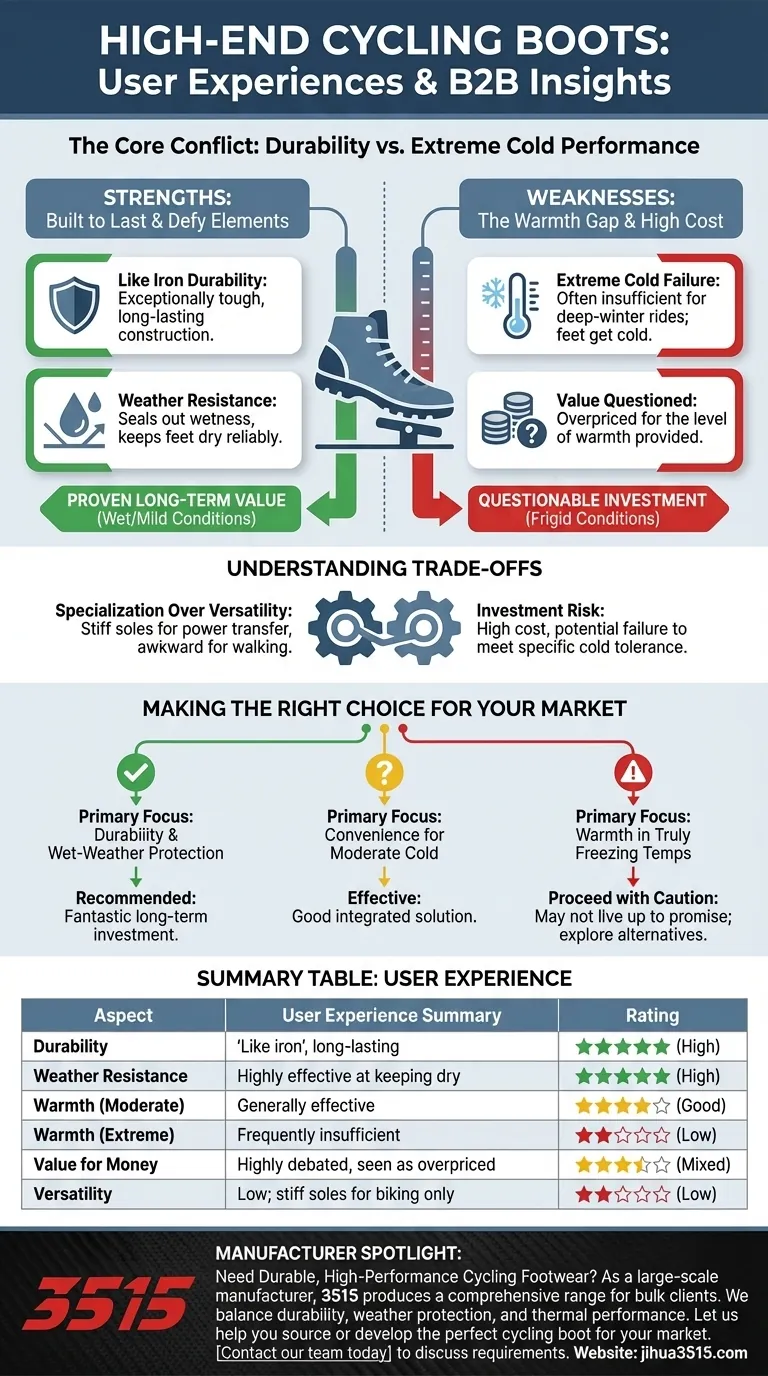
The core takeaway from user feedback is that high-end cycling boots excel in durability and weather resistance, but their value proposition weakens significantly when judged on insulation for truly frigid conditions, making them a questionable investment for the coldest rides.
The Core Value Proposition: Durability
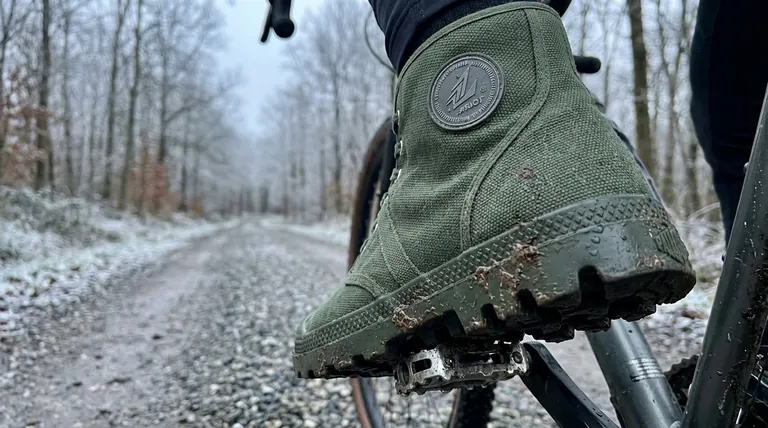
The most consistent point of praise for high-end cycling boots, particularly full leather models, is their exceptional durability and construction.
The 'Like Iron' Reputation
Users frequently describe quality leather boots as being "like iron." They are reported to be extremely tough, wearing well over many seasons of hard use.
Sealing Out the Elements
A key benefit reported by users is that well-made boots do not leak. This reliability in keeping feet dry is a major factor for riders who often face wet and miserable conditions.
The Central Conflict: Warmth vs. Cost
While durability is a clear strength, the debate around warmth and price is where user opinions diverge sharply. This is the most critical factor in determining their worth.
Effective, But to a Limit
Many users agree that the boots are effective at keeping their feet warm in cool or moderately cold weather. They provide a simple, all-in-one solution for chilly rides.
The 'Not Worth It' Conclusion
However, a significant portion of users feel the boots are simply overpriced for the level of warmth they provide. The performance doesn't always align with the premium cost.
The Extreme Cold Failure
The most common and serious complaint is that these specialized boots are often not suitable for extreme cold. Riders who purchase them specifically for deep-winter riding frequently report that their feet still get cold, defeating the primary purpose of the investment.
Understanding the Trade-offs
Investing in a specialized boot requires acknowledging the inherent compromises compared to other winter footwear solutions.
Specialization Over Versatility
Bike-specific boots are designed for one thing: pedaling a bike. They typically have very stiff soles that are excellent for power transfer but can be awkward and uncomfortable for walking any significant distance.
The Investment Risk
The high cost of these boots makes them a considerable financial risk. If they don't match your personal cold tolerance or local climate, you are left with a very expensive piece of gear that fails at its primary job.
Making the Right Choice for Your Riding
Your decision should be based entirely on the conditions you face most often and your tolerance for the premium cost.
- If your primary focus is durability and wet-weather protection: A high-quality, full-leather boot is likely a fantastic long-term investment that will keep your feet dry for years.
- If your primary focus is convenience for moderately cold rides: A dedicated winter boot can be an effective, integrated solution if you value its simplicity over a multi-part system like shoes and covers.
- If your primary focus is warmth in truly freezing temperatures: You should proceed with caution, as user experiences suggest these boots may not live up to their promise, and alternative solutions might be more effective.
Ultimately, you must weigh the proven, long-term durability of these boots against their frequently questioned performance in the most demanding cold.
Summary Table:
| Aspect | User Experience Summary |
|---|---|
| Durability | Consistently praised; described as "like iron" and long-lasting. |
| Weather Resistance | Highly effective at keeping feet dry in wet conditions. |
| Warmth (Moderate Cold) | Generally effective for cool to moderately cold rides. |
| Warmth (Extreme Cold) | Frequently reported as insufficient, a major point of criticism. |
| Value for Money | Highly debated; seen as overpriced by many, especially for warmth. |
| Versatility | Low; stiff soles are great for biking but awkward for walking. |
Need Durable, High-Performance Cycling Footwear That Truly Meets Your Needs?
As a large-scale manufacturer, 3515 produces a comprehensive range of footwear for distributors, brand owners, and bulk clients. Our production capabilities encompass all types of shoes and boots, including specialized cycling footwear. We understand the balance between durability, weather protection, and thermal performance.
Let us help you source or develop the perfect cycling boot for your market. Whether you need reliable all-weather models or are looking to innovate on insulation for extreme conditions, we have the expertise and capacity to deliver.
Contact our team today to discuss your specific requirements and discover how we can add value to your product line.
Visual Guide
Related Products
- Premium High-Cut Waterproof Safety Boots Manufacturing & Wholesale Solutions
- Durable High-Ankle Tactical Boots Wholesale Manufacturer for Custom & Bulk Orders
- Factory-Direct Wholesale Canvas Boots with High-Traction Rubber Soles
- Wholesale High-Traction Camo Boots - Custom Manufacturer for Brands
- Durable High-Ankle Tactical Boots for Wholesale & Custom Manufacturing
People Also Ask
- Which industries commonly use safety boots and why? Protect Your Workforce from Top Hazards
- What are the common hazards present in work environments that safety boots protect against? Find Your Perfect Match
- What future trends are emerging in safety boot technology? Discover Lighter, Smarter, and More Sustainable Footwear
- What are the slip resistance requirements for safety boots? Professional Grip Standards for Poultry Facility Cleaning
- Why is a high-precision 3D motion capture system necessary for measuring joint range of motion? Optimize Safety & Mobility