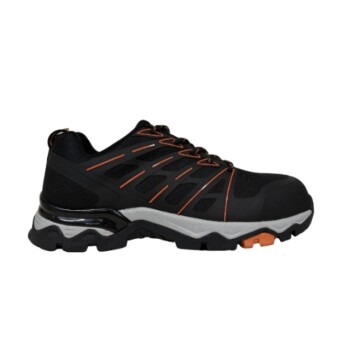
High-performance safety shoes deliver dual benefits by combining rigorous physical protection with advanced physiological comfort. They actively reduce industrial accident rates through specific defense mechanisms while simultaneously alleviating physical strain to support long-term employee health.
High-performance footwear functions as both a shield against immediate trauma and a support system for long-term health. By integrating hazard defense with ergonomic engineering, these shoes prevent acute injuries while mitigating the cumulative risks of fatigue and musculoskeletal disorders.
The First Benefit: Robust Physical Protection
Defense Against Immediate Trauma
The primary function of high-performance safety footwear is to act as a barrier against direct physical threats. Features such as steel toes or composite protective layers provide critical defense against "smashing" hazards.
Reducing Industrial Accident Rates
These shoes are engineered with anti-puncture and anti-slip designs to mitigate environmental risks. By preventing falls and shielding feet from sharp objects, they directly lower the frequency of reportable industrial accidents.
Energy Absorption Mechanisms
Beyond simple resistance, modern safety shoes include mechanisms to absorb energy from impacts. This is essential in environments involving heavy machinery, such as molding equipment, where compression risks are high.
The Second Benefit: Advanced Physiological Comfort
Alleviating Systemic Fatigue
The second benefit addresses the internal toll of labor: physical exhaustion. Ergonomically designed shoes support the foot structure to reduce strain on the spine during extended work periods.
Preventing Musculoskeletal Disorders
Professional design elements, such as arch support and shock absorption, help prevent Work-related Musculoskeletal Disorders (WMSDs). This protection is vital for workers engaged in repetitive movements or prolonged standing.
Enhancing Overall Well-being
By minimizing discomfort, these shoes improve employee satisfaction and focus. Reducing physical stress leads to lower absenteeism and higher productivity, contributing to a healthier overall workforce.
Understanding the Trade-offs
Specificity vs. Versatility
Not every "high-performance" shoe suits every environment. A shoe rated for heavy construction (S3 or S5) may offer maximum protection but could be unnecessary and heavy for a chemical lab, where chemical resistance (S1 or S2) is the priority.
Balancing Weight and Agility
Heavy-duty protection features, like steel toes, add weight that can contribute to leg fatigue over time. It is crucial to balance the need for physical barriers with the need for lightweight materials, such as composites, to maintain agility.
Making the Right Choice for Your Team
Selecting the correct safety footwear requires aligning shoe features with your specific environmental hazards and workforce demographics.
- If your primary focus is heavy industrial hazards: Prioritize shoes with high-impact resistance and puncture-proof soles (S3/S5 ratings) to prevent traumatic injury.
- If your primary focus is long-shift productivity: Prioritize ergonomic designs with advanced shock absorption and arch support to minimize fatigue and musculoskeletal issues.
- If your primary focus is specialized environments: Ensure the footwear meets specific certification needs, such as anti-static properties for electronics or Hro classification for welding heat.
Investing in high-performance footwear is a strategic decision that protects your workforce's immediate safety and their long-term physical health.
Summary Table:
| Benefit Category | Key Features | Impact on Employees |
|---|---|---|
| Physical Protection | Steel/Composite toes, Puncture resistance, Anti-slip | Prevents acute injuries and reduces industrial accidents. |
| Physiological Comfort | Shock absorption, Arch support, Ergonomic design | Alleviates systemic fatigue and prevents musculoskeletal disorders (WMSDs). |
| Operational Efficiency | Specialized ratings (S1-S5), Lightweight materials | Enhances focus, reduces absenteeism, and improves productivity. |
Partner with 3515 for Premium Footwear Solutions
As a large-scale manufacturer serving global distributors and brand owners, 3515 offers comprehensive production capabilities for all footwear types. Anchored by our flagship Safety Shoes series, our portfolio is engineered to deliver the dual benefits of maximum protection and superior comfort.
From rugged work and tactical boots to specialized outdoor, training, and dress shoes, we provide the bulk supply and quality assurance needed to protect your workforce and elevate your brand value.
Ready to upgrade your safety standards? Contact us today to discuss your bulk requirements and discover how our expert manufacturing can serve your business.
References
- Muhammad Saleem Akhtar, Muhammad Ali Naseem. Shaping Behaviour as Proactive Approach for Awareness of Safety and Wellbeing Secondary Grade Curriculum. DOI: 10.48112/aessr.v2i1.93
This article is also based on technical information from 3515 Knowledge Base .
Related Products
- Premium Suede Sport Safety Shoes for Wholesale & Bulk Orders
- Premium KPU Athletic Safety Shoes for Wholesale
- Premium Safety Shoes with Rotating Buckle Safety Sneakers
- Premium KPU Injection Athletic Style Safety Shoes
- Advanced KPU Athletic Safety Shoe with Steel Toe Cap Anti-Slip Rotary Lacing System
People Also Ask
- What industries have specific OSHA footwear requirements? Ensure Compliance & Protect Your Workforce
- What are the primary functions of professional safety shoes? Maximize Safety in Water Supply Confined Spaces
- What role do specialized safety shoes play in preventing falls? Engineering Stability in Industrial Environments
- Why is barefoot walking used as a baseline in gait safety research? Unlocking Natural Biomechanics for Shoe Design
- Why are customized foot sensors or professional safety shoes incorporated into biomechanical testing? Precision Insights