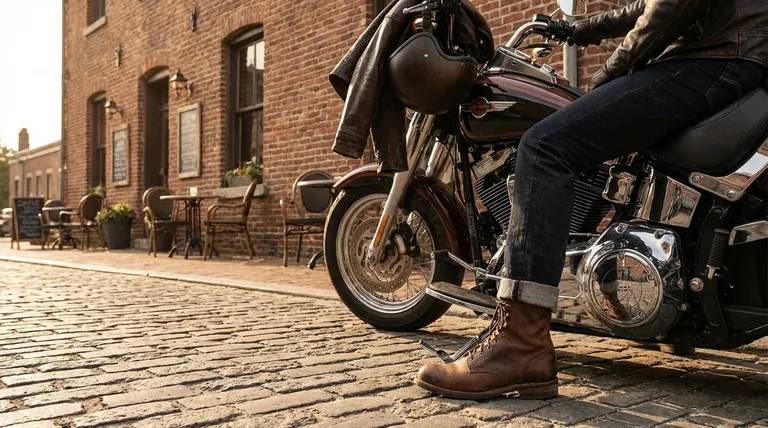
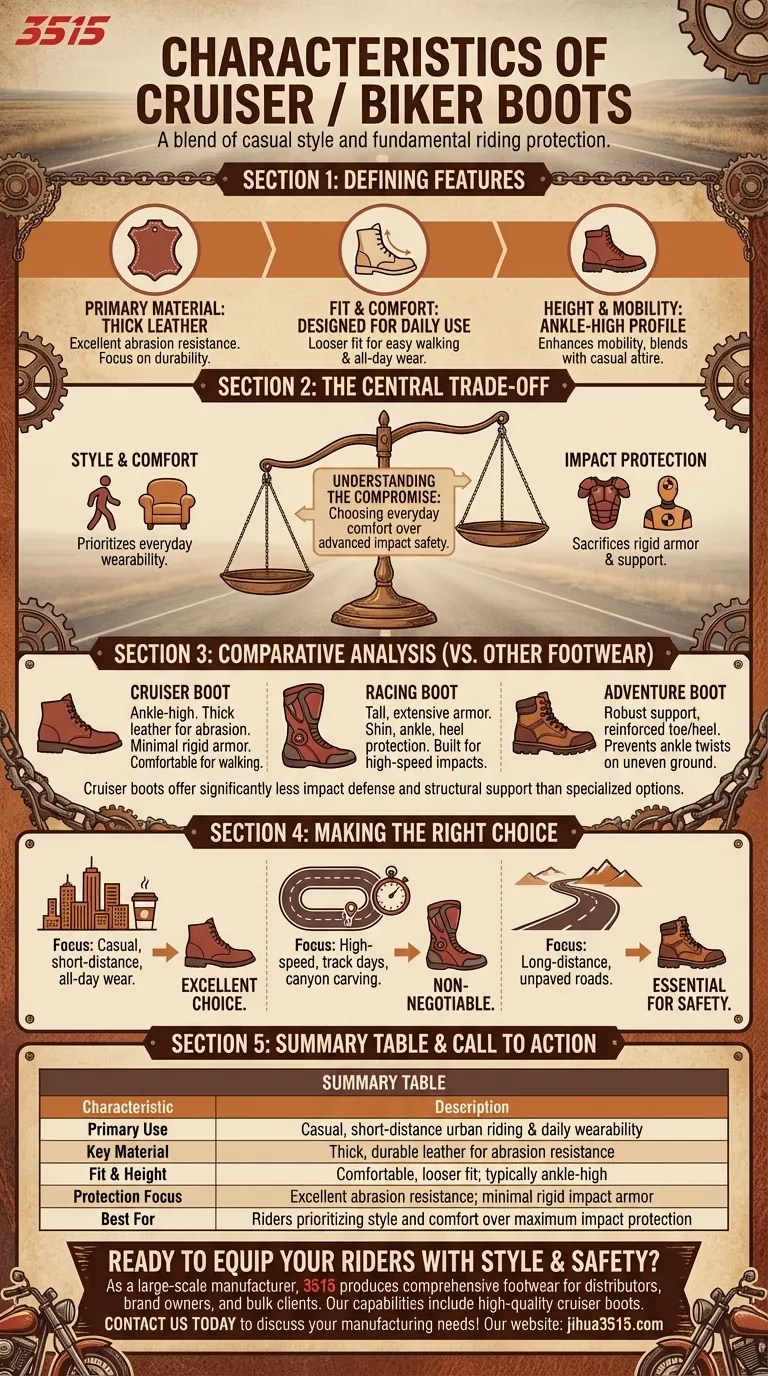
At their core, cruiser boots are defined by a blend of casual style and fundamental riding protection. Designed to resemble regular fashion boots, they feature a comfortable, often loose fit suitable for daily wear and shorter rides. They are typically ankle-high and constructed from thick leather to provide good abrasion resistance, prioritizing comfort and mobility above all else.
The central trade-off with cruiser boots is choosing everyday comfort and style over the advanced impact protection found in more specialized motorcycle footwear. They offer a significant upgrade over casual shoes but lack the rigid armor of dedicated racing or adventure boots.
Defining the Cruiser Boot: Style Meets the Street
Cruiser boots occupy a unique space in motorcycle gear. They are engineered for the rider who values a classic aesthetic and doesn't want to change footwear upon arriving at their destination.
Primary Material: Thick Leather
The hallmark of a cruiser boot is its construction from thick, durable leather. This material is chosen primarily for its excellent abrasion resistance, which is critical for protecting your skin in the event of a slide.
Fit and Comfort: Designed for Daily Use
Unlike highly specialized boots, cruiser boots prioritize a comfortable, often looser fit. This makes them easy to walk in and wear for extended periods off the bike, reinforcing their role as a dual-purpose piece of gear.
Height and Mobility: Ankle-High Profile
Most cruiser boots are shorter, typically ankle-high. This design choice enhances mobility for walking and allows them to blend in seamlessly with casual attire, but it offers no protection for the shin area.
How Cruiser Boots Compare to Other Riding Footwear
To fully understand the role of cruiser boots, it's essential to see how they stack up against more purpose-built alternatives.
Against Racing Boots
Racing boots are built for maximum protection at high speeds. They extend 10 to 14 inches up the leg and are heavily armored with reinforced shin, instep, ankle, heel, and toe sections. Cruiser boots lack this rigid, comprehensive impact protection entirely.
Against Adventure Boots
Adventure boots are designed for the rigors of off-road and mixed-terrain riding. They feature heavily reinforced toe and heel areas and provide exceptional ankle support to prevent twists on uneven ground. Cruiser boots offer far less structural support for the ankle.
Against Technical Safety Boots
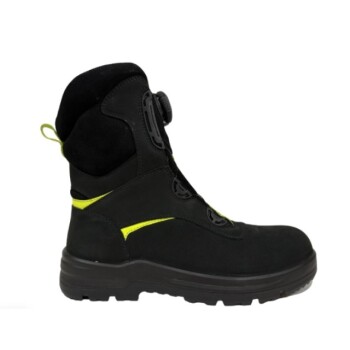
While not for riding, boots designed for public order or industrial safety highlight specific protective features. They often include steel or composite toe caps and penetration-resistant midsoles. Most cruiser boots do not have certified impact protection for the toes.
Understanding the Trade-offs: Comfort vs. Compromise
Choosing a cruiser boot means consciously accepting a different level of safety in exchange for style and comfort. It is a valid choice, but one that must be made with full awareness of its limitations.
The Lack of Impact Armor
The primary compromise is the absence of hardened armor. Cruiser boots will not protect your shins from impacts, and their ankle and heel protection is derived from the thickness of the leather rather than from integrated, rigid components.
Limited Structural Support
The comfortable, flexible design means there is minimal resistance to hyper-extension or twisting forces on the ankle. In a serious accident, this can be a critical vulnerability compared to the rigid structure of a racing or adventure boot.
Focus on Abrasion, Not Impact
Remember that a cruiser boot's main protective feature is its ability to resist abrasion. It is designed to keep your skin intact during a slide, but it offers significantly less defense against the kinetic energy of an impact with a vehicle or the road itself.
Making the Right Choice for Your Ride
Selecting the right boot requires an honest assessment of your riding style and priorities. There is no single "best" boot, only the right boot for a specific purpose.
- If your primary focus is casual, short-distance urban riding and all-day wearability: Cruiser boots are an excellent choice, offering a major safety upgrade over sneakers while maintaining style.
- If your primary focus is high-speed performance, track days, or aggressive canyon carving: The superior impact protection of a dedicated racing boot is non-negotiable.
- If your primary focus is long-distance touring or exploring unpaved roads: The robust support and durability of an adventure boot are essential for safety and comfort.
Ultimately, choosing your footwear is about matching the level of protection to the level of risk you anticipate for your ride.
Summary Table:
| Characteristic | Description |
|---|---|
| Primary Use | Casual, short-distance urban riding & daily wearability |
| Key Material | Thick, durable leather for abrasion resistance |
| Fit & Height | Comfortable, looser fit; typically ankle-high |
| Protection Focus | Excellent abrasion resistance; minimal rigid impact armor |
| Best For | Riders prioritizing style and comfort over maximum impact protection |
Ready to equip your riders with the perfect blend of style and safety?
As a large-scale manufacturer, 3515 produces a comprehensive range of footwear for distributors, brand owners, and bulk clients. Our production capabilities encompass all types of shoes and boots, including high-quality cruiser boots built with durable leather for essential protection and all-day comfort.
We can help you deliver the right gear for your market. Contact us today to discuss your manufacturing needs!
Visual Guide
Related Products
- Premium High-Cut Waterproof Safety Boots Manufacturing & Wholesale Solutions
- High Performance Fire-Retardant Waterproof Safety Boots
- Wholesale Waterproof Tactical Boots Custom Suede & High-Traction Soles
- High-Traction Suede Tactical Boots Wholesale & Custom Manufacturing
- Heavy-Duty Waterproof Nubuck Safety Boots Safety Shoes for Bulk Supply
People Also Ask
- Which industries commonly use safety boots and why? Protect Your Workforce from Top Hazards
- What are the common hazards present in work environments that safety boots protect against? Find Your Perfect Match
- What future trends are emerging in safety boot technology? Discover Lighter, Smarter, and More Sustainable Footwear
- What are the slip resistance requirements for safety boots? Professional Grip Standards for Poultry Facility Cleaning
- Why is a high-precision 3D motion capture system necessary for measuring joint range of motion? Optimize Safety & Mobility