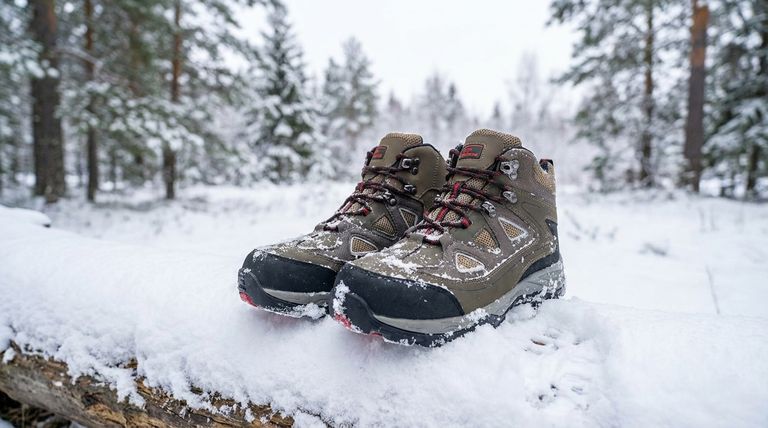
The fundamental benefit of a wide width snow boot is that it provides a proper fit for men with wider feet, which is the essential foundation for comfort, warmth, and overall performance. Without the correct width, even the most advanced insulation and waterproofing features will fail to keep your feet comfortable and warm.
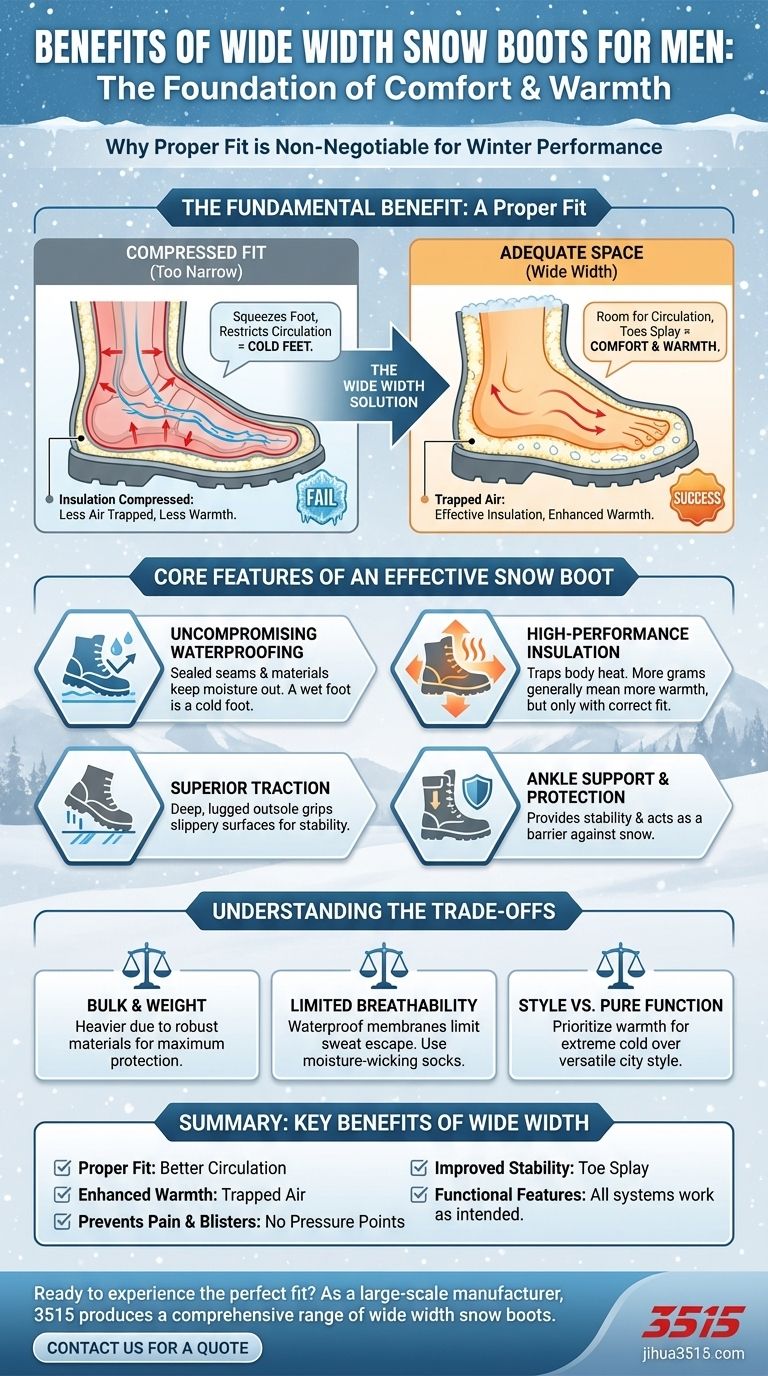
A standard-width boot on a wide foot compresses the foot, restricting blood flow and crushing the boot's insulation. A wide width boot solves this by providing the necessary space for proper circulation and allowing insulation to trap air, which is the true key to keeping your feet warm.
Why a Proper Fit is Non-Negotiable
For a snow boot to function correctly, the fit must be the first priority. The "wide width" specification isn't a minor feature; it's a critical component that enables all other features to work as designed.
The Problem with a Compressed Fit
When a boot is too narrow, it squeezes your foot. This pressure restricts blood circulation, which is one of the primary ways your body keeps your extremities warm.
No matter how much insulation a boot has, it can't warm up a foot that isn't receiving adequate blood flow. This is why you can have cold feet even in heavily insulated boots.
Furthermore, insulation works by trapping a layer of air. A compressed fit squeezes this air out, rendering the insulation far less effective.
The Benefit of Adequate Space
A wide width boot provides the room for your foot to sit naturally without being constricted. This allows your toes to splay, improving balance and comfort.
Most importantly, it ensures there is enough space for warm air to be trapped by the insulation and for blood to circulate freely, delivering warmth from your core to your toes.
Preventing Pain and Blisters
A boot that is too narrow creates constant pressure points and friction. Over a short walk, this can lead to significant pain, and over a longer period, it's a primary cause of blisters and chafing.
Core Features of an Effective Snow Boot
Once you have established the correct width, you can then evaluate the other essential features that define a high-quality snow boot.
Uncompromising Waterproofing
A wet foot is a cold foot. Look for boots with waterproof materials like treated leather or synthetic fabrics and sealed seam construction to ensure moisture from snow and slush stays out.
High-Performance Insulation
Insulation is what traps body heat. Some boots use natural materials like shearling or wool, while many rely on synthetic insulation rated in grams. More grams generally mean more warmth, but remember this is only effective if the fit is correct.
Superior Traction
Winter surfaces are often slippery and uneven. A good snow boot must have a deep, lugged rubber outsole designed to grip snow and ice, providing stability and preventing falls.
Ankle Support and Protection
Most snow boots feature a higher shaft that extends above the ankle. This provides crucial support on unstable ground and acts as a barrier to prevent snow from getting inside your boots.
Understanding the Trade-offs
Choosing the right snow boot involves balancing powerful features with practical considerations. Being aware of the inherent trade-offs will help you select the best boot for your specific use case.
Bulk and Weight
True snow boots designed for extreme cold are, by nature, heavier and bulkier than other footwear. The robust outsoles, thick insulation, and protective materials all add weight. This is the price for maximum protection.
Limited Breathability
The same waterproof membranes that keep water out also limit the escape of sweat. While many modern boots incorporate breathable materials, they will never be as airy as a standard shoe. Wearing moisture-wicking wool socks is critical to managing sweat and keeping your feet dry from the inside.
Style vs. Pure Function
The most technically capable snow boots are often built for function first and style second. You may need to decide whether your priority is maximum warmth for extreme conditions or a more versatile style for casual city wear in the cold.
Making the Right Choice for Your Needs
Selecting the ideal wide width snow boot depends entirely on how you plan to use it.
- If your primary focus is extreme cold and deep snow: Prioritize a boot with a high insulation rating (400g or more), a tall and fully waterproof shaft, and an aggressive outsole.
- If your primary focus is daily urban wear: Look for a stylish, moderately insulated boot with reliable waterproofing and good traction that isn't overly bulky for walking on cleared sidewalks.
- If your primary focus is active winter sports: Choose a lighter, more flexible boot that still offers excellent waterproofing and a secure fit to prevent heel slip while snowshoeing or hiking.
Choosing the right width isn't a luxury; it's the critical first step to ensuring your boots keep you warm, dry, and comfortable all winter long.
Summary Table:
| Key Benefit | Why It Matters |
|---|---|
| Proper Fit | Prevents foot compression, allowing for better blood circulation and effective insulation. |
| Enhanced Warmth | Correct width allows insulation to trap air, keeping feet warm in cold conditions. |
| Prevents Pain & Blisters | Eliminates pressure points and friction for all-day comfort. |
| Improved Stability | Adequate space lets toes splay naturally, improving balance on uneven terrain. |
| Functional Features | Ensures waterproofing, traction, and ankle support work as intended. |
Ready to experience the perfect fit?
As a large-scale manufacturer, 3515 produces a comprehensive range of wide width footwear for distributors, brand owners, and bulk clients. Our production capabilities encompass all types of insulated, waterproof snow boots designed specifically for comfort and performance.
We can help you source or customize the ideal wide width snow boots for your customers' needs. Contact our team today to discuss your requirements and get a quote!
Visual Guide
Related Products
- Wholesale Leather Ankle Boots with Lug Soles for Custom Brand Manufacturing
- Durable High-Ankle Tactical Boots Wholesale Manufacturer for Custom & Bulk Orders
- Men's Breathable Perforated Loafers Wholesale & OEM Manufacturing
- Factory Direct Wholesale Leather Comfort Shoes with Dial Closure
- Durable High-Ankle Tactical Boots for Wholesale & Custom Manufacturing
People Also Ask
- What is the difference between full-grain and top-grain leather? Premium Material Guide for Boot Manufacturers
- What are the key qualities of leather for work boots? Superior Durability, Breathability & Custom Fit
- What is the complete process for deep cleaning leather work boots? A Step-by-Step Guide to Preserve Your Investment
- What are the advantages of leather uppers in work boots? Unmatched Durability & Protection
- How should new leather work boots be broken in? A Guide to Comfort and Durability