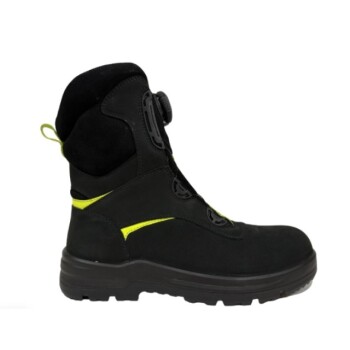
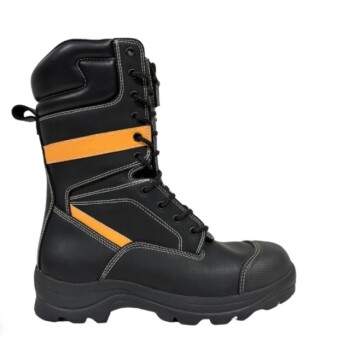
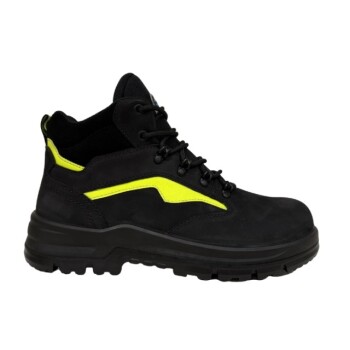
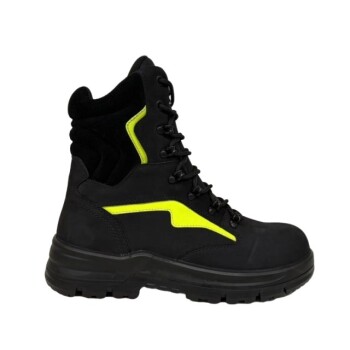
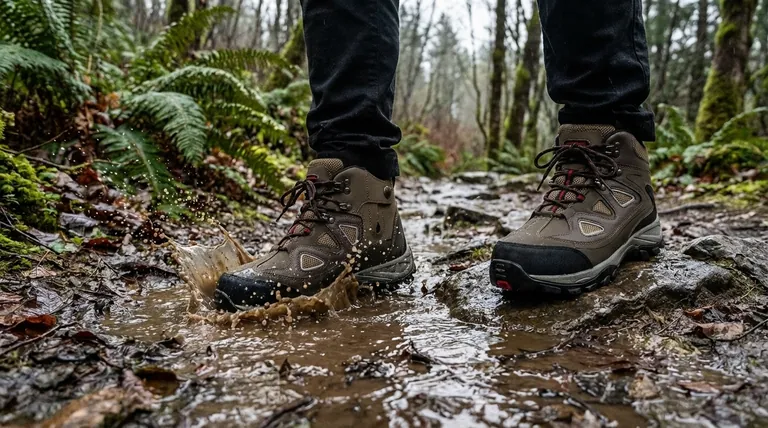
The primary benefit of waterproof half-boots is straightforward yet critical: they create an impermeable barrier against moisture. This core function ensures your feet remain dry, comfortable, and protected from the elements during a wide range of outdoor activities, from casual gardening to demanding trail hikes in unpredictable weather.
Choosing waterproof half-boots is not merely about avoiding the discomfort of wet socks. It is a strategic decision to maintain foot health, ensure reliable performance in varied conditions, and protect the structural integrity of your footwear investment.
The Core Function: Comprehensive Moisture Protection
The fundamental value of a waterproof boot lies in its ability to completely isolate your foot from external wetness. This seemingly simple feature has significant implications for both health and comfort.
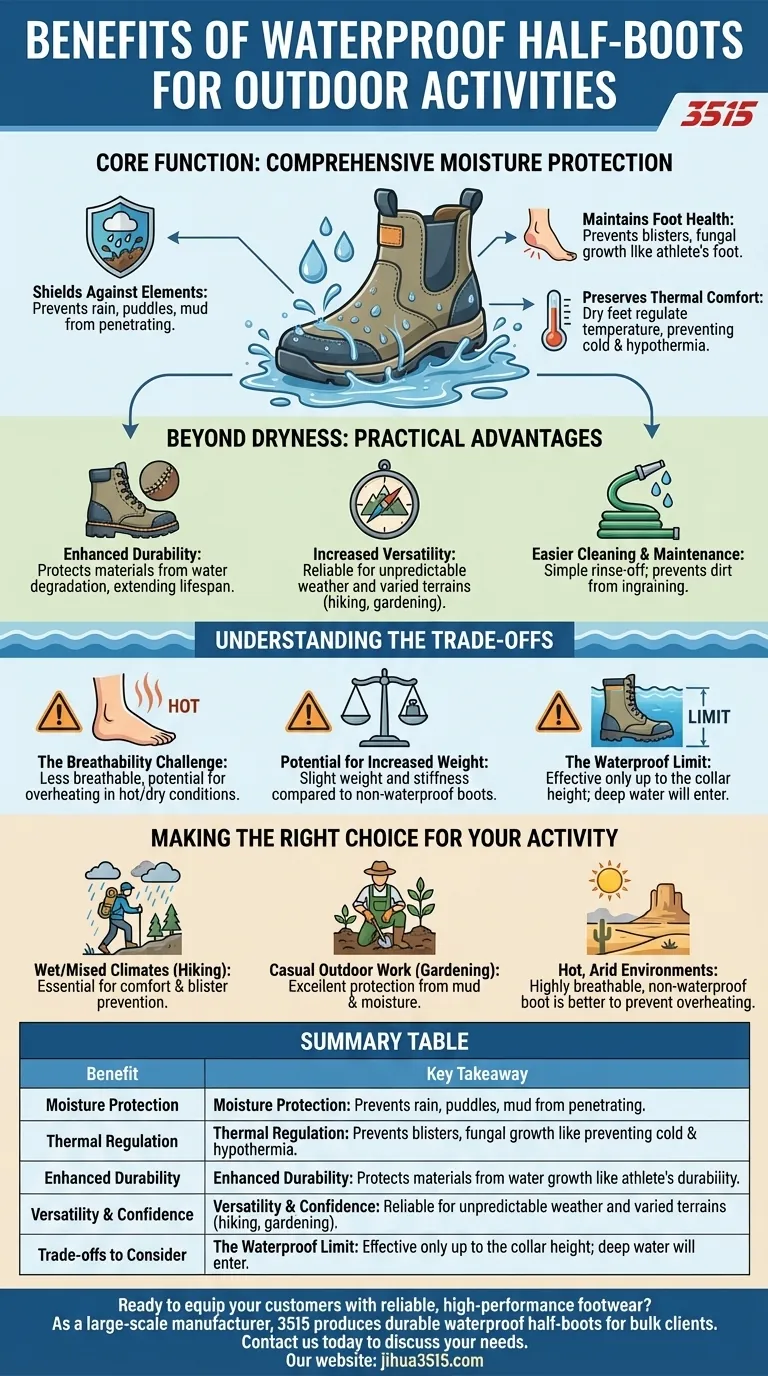
Shielding Against External Elements
A waterproof membrane or material acts as a physical shield. It prevents water from rain, puddles, dew-covered grass, and mud from penetrating the boot and soaking your sock and foot.
Maintaining Foot Health
Consistently wet feet are a significant health risk. Moisture softens the skin, making it extremely prone to blisters, and creates an ideal environment for fungal growth, such as athlete's foot. Keeping your feet dry is the single most effective way to prevent these issues.
Preserving Thermal Comfort
Water pulls heat away from the body 25 times faster than air. A wet foot quickly becomes a cold foot, which can lead to discomfort and, in severe conditions, an increased risk of hypothermia. Dry feet are essential for proper temperature regulation.
Beyond Dryness: The Practical Advantages
The benefits of waterproofing extend beyond immediate comfort, impacting the boot's longevity and its overall utility.
Enhanced Durability
Water is a primary cause of material degradation. It can weaken leather, compromise adhesives, and cause stitching to fail over time. A waterproof design protects the boot's core structure from this persistent damage, extending its functional lifespan.
Increased Versatility
Weather is often unpredictable. A waterproof half-boot provides the confidence to tackle a trail or begin a task without worrying about a sudden downpour or unexpected muddy patch, making it a reliable choice for three-season use.
Easier Cleaning and Maintenance
Because the exterior is designed to repel water, cleaning is often as simple as rinsing off mud and grime. This prevents dirt from becoming ingrained in the boot's materials and soaking into the interior cushioning.
Understanding the Trade-offs
No footwear technology is without its compromises. True expertise requires understanding the limitations of waterproof designs.
The Breathability Challenge
The primary trade-off for waterproofing is breathability. A membrane that blocks water from getting in can also make it harder for sweat vapor to get out. In hot and dry conditions, this can lead to feet feeling clammy and overheated.
Potential for Increased Weight
Waterproof components, including membranes and gusseted tongues, can add slight weight and stiffness compared to their non-waterproof counterparts. This is a minor factor for most users but can be a consideration for those focused on ultralight performance.
The 'Waterproof' Limit
Waterproof construction is only effective up to the height of the boot's collar. If you step in water that is deeper than the boot is high, water will pour in over the top, trapping moisture inside and defeating the purpose.
Making the Right Choice for Your Activity
To select the best footwear, align the boot's capabilities with the conditions you most frequently encounter.
- If your primary focus is hiking in wet or mixed-weather climates: A dedicated waterproof half-boot is essential for maintaining comfort and preventing blisters on the trail.
- If your primary focus is casual outdoor work like gardening: A simple, durable waterproof boot provides excellent protection from mud and moisture, allowing you to work with peace of mind.
- If your primary focus is activity in consistently hot, arid environments: A highly breathable, non-waterproof boot is likely a better choice to maximize ventilation and prevent your feet from overheating.
Ultimately, investing in the right waterproof half-boot empowers you to face unpredictable outdoor conditions with confidence and comfort.
Summary Table:
| Benefit | Key Takeaway |
|---|---|
| Moisture Protection | Keeps feet dry from rain, puddles, and mud, preventing blisters and fungal growth. |
| Thermal Regulation | Dry feet maintain warmth, crucial for comfort and safety in cold conditions. |
| Enhanced Durability | Waterproofing protects materials from water damage, extending the boot's lifespan. |
| Versatility & Confidence | Provides reliable performance for hiking, gardening, and more in unpredictable weather. |
| Trade-offs to Consider | Can be less breathable in hot weather and has a height limit for submersion. |
Ready to equip your customers with reliable, high-performance footwear?
As a large-scale manufacturer, 3515 produces a comprehensive range of durable waterproof half-boots for distributors, brand owners, and bulk clients. Our production capabilities ensure top-quality materials and construction, perfect for meeting the demands of outdoor enthusiasts.
Contact us today to discuss your specific needs and discover how we can help you deliver superior comfort and protection to your market.
Visual Guide
Related Products
- Premium Wholesale Waterproof Safety Boots High Performance Protection for Industrial Markets
- High Performance Fire-Retardant Waterproof Safety Boots
- Premium Waterproof High-Cut Industrial Safety Boots for Wholesale and Bulk Orders
- Wholesale Waterproof Tactical Boots Custom Suede & High-Traction Soles
- Premium High-Cut Waterproof Safety Boots Manufacturing & Wholesale Solutions
People Also Ask
- What weather and chemical protections do premium boots offer? Your Complete Guide to Safety & Performance
- Why are waterproof safety boots recommended for certain work environments? Essential Protection for Wet & Hazardous Jobs
- What are the primary protective functions of industrial safety boots in oil palm plantations? Master Rough Terrain Safety
- Why are oil-resistant and anti-slip properties critical for industrial safety boots? Expert Outsole Engineering Guide
- What are the best types of shoes for different gardening conditions? Find Your Perfect Match.