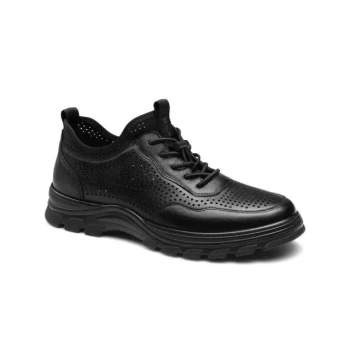
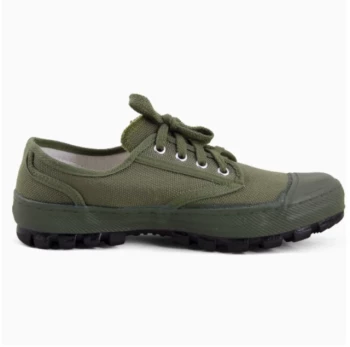
To put it simply, the primary advantages of vulcanized soles for skate shoes are their exceptional board feel, flexibility, and grip. This construction creates a thin, pliable sole that allows for unparalleled control and a quick break-in period right out of the box.
The core trade-off is clear: vulcanized shoes sacrifice impact protection and long-term support in exchange for maximum board sensitivity and control. Understanding this exchange is the key to choosing the right shoe for your specific style of skating.
What Defines a Vulcanized Sole?
A vulcanized sole is fundamentally a product of its construction method. It involves a specific heat-curing process that bonds the shoe's components together into a single, cohesive unit.
The Construction Process
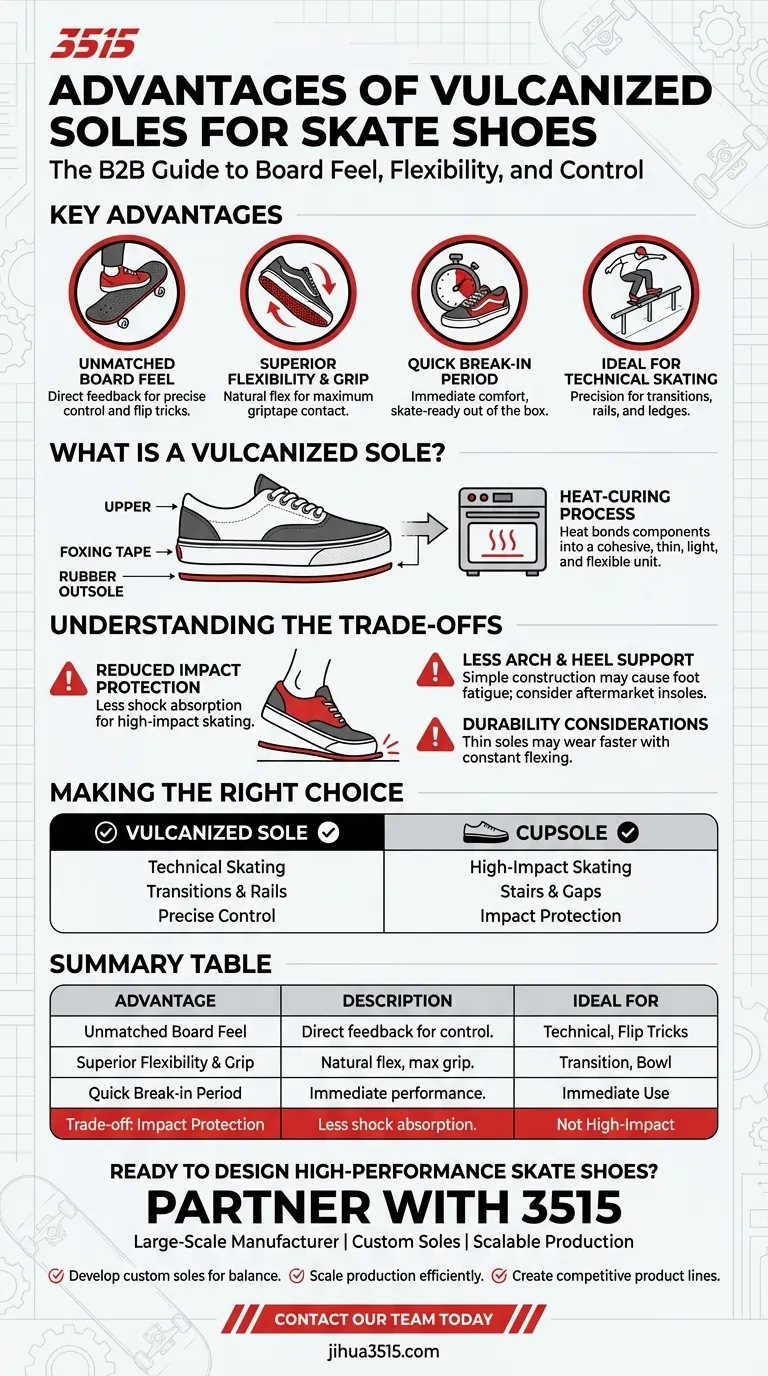
The process involves attaching the shoe's rubber outsole to its upper using a strip of rubber called foxing tape. The entire shoe is then heated in a special oven, causing a chemical reaction that "vulcanizes" the rubber, making it stronger and more durable while fusing all the pieces together.
The Resulting Feel
This method creates a sole that is notably thin, light, and flexible. Because there are fewer layers between your foot and the board, the shoe feels responsive and broken-in almost immediately.
The Key Advantages Explained
Skaters who prioritize precision and technical control are often drawn to vulcanized shoes for a few critical reasons.
Unmatched Board Feel
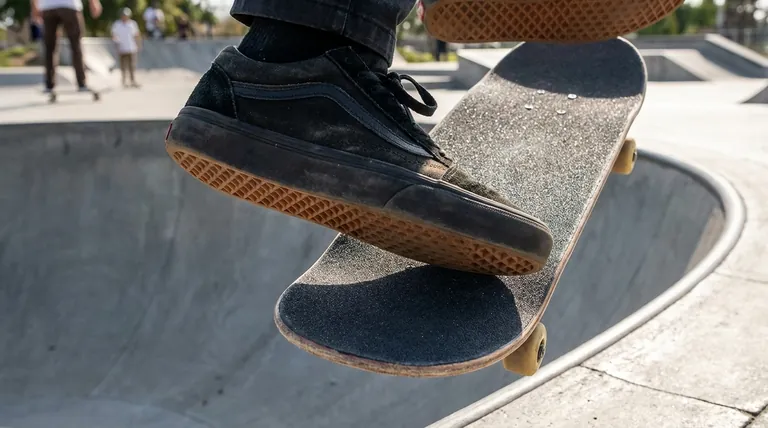
The most celebrated advantage is board feel. The thin sole transmits the texture and contour of your deck directly to your feet, giving you a near-barefoot sensation that is crucial for executing precise flip tricks and making subtle adjustments.
Superior Flexibility and Grip
A vulcanized sole flexes naturally with your foot from the very first wear. This flexibility allows the sole to maintain maximum contact with the griptape, providing consistent, reliable grip for technical maneuvers like pumping in a bowl or setting up for a grind.
Quick Break-in Period
Unlike more rigid shoe constructions, vulcanized shoes require virtually no time to break in. Their inherent flexibility means they feel comfortable and skate-ready straight from the box.
Understanding the Trade-offs
The benefits of a vulcanized sole come at a cost. The very features that make it great for board feel also create its primary weaknesses.
Reduced Impact Protection
The thinness of the sole means there is very little material to absorb shock. This makes vulcanized shoes a poor choice for high-impact skating, such as jumping down large stair sets or gaps, where cushioning is critical to prevent heel bruises.
Less Arch and Heel Support
The simple, flat construction generally lacks the built-in arch support and structured heel stability found in other shoe types. While this enhances flexibility, it can lead to foot fatigue during longer sessions. Many skaters mitigate this by adding supportive aftermarket insoles.
Durability Considerations
While the vulcanization process creates a strong bond, the constant flexing and thin profile mean these soles can wear down more quickly than their thicker, sturdier counterparts, especially for skaters who are hard on their shoes.
Making the Right Choice for Your Skating Style
Ultimately, the choice between a vulcanized shoe and its main alternative, the cupsole, depends entirely on your needs.
- If your primary focus is technical skating, transitions, or rails: The superior board feel and flexibility of a vulcanized sole will give you the precise control you need.
- If your primary focus is high-impact skating with stairs and gaps: You should opt for a cupsole, which provides the necessary impact protection and support to protect your feet.
Choose the shoe that is engineered to support the way you skate.
Summary Table:
| Advantage | Description | Ideal For |
|---|---|---|
| Unmatched Board Feel | Thin sole provides direct feedback from the board for precise control. | Technical tricks, flip tricks, rail skating. |
| Superior Flexibility & Grip | Sole flexes naturally with the foot for maximum griptape contact. | Transition skating, bowl pumping, technical maneuvers. |
| Quick Break-in Period | Flexible and comfortable right out of the box. | Skaters who want immediate performance. |
| Trade-off: Impact Protection | Thin sole offers less shock absorption for high-impact landings. | Not ideal for large stair sets or gaps. |
Ready to Design High-Performance Skate Shoes?
As a large-scale manufacturer, 3515 produces a comprehensive range of vulcanized and cupsole footwear for distributors, brand owners, and bulk clients. Our production capabilities encompass all types of skate shoes and boots, engineered to meet the specific demands of your target market.
We help you:
- Develop custom soles with the perfect balance of board feel, flexibility, and durability.
- Scale production efficiently to meet market demand with consistent, high-quality output.
- Create a competitive product line backed by expert manufacturing and material knowledge.
Contact our team today to discuss your skate shoe manufacturing needs and get a quote.
Visual Guide
Related Products
- Durable Rubber-Soled Utility Shoes for Wholesale & Custom Brand Manufacturing
- Durable Rubber Sole Outdoor Shoes Wholesale & Custom Manufacturing
- Wholesale Durable Camo Canvas Shoes with High-Traction Rubber Soles
- Wholesale Durable Camouflage Canvas Shoes with High-Traction Cleated Rubber Sole
- Wholesale Breathable Training Shoes Custom Athletic Footwear Manufacturer
People Also Ask
- Why are rubber-soled shoes considered multi-weather footwear? Unlock All-Season Traction & Protection
- Why should we wear rubber soled shoes? Unlock Superior Safety and Durability
- How do rubber soles affect a shoe's appearance? Defining Your Shoe's Style and Formality
- What are the types of rubber sole shoes available? Choose the Right Sole for Durability & Comfort
- When were rubber sole shoes invented? From 1800s Concept to Modern Mainstay