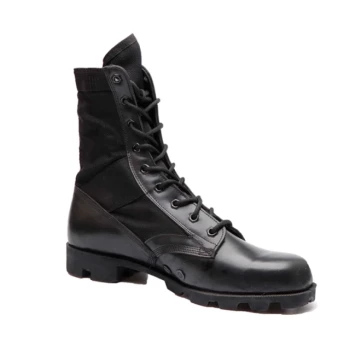
While renowned for their durability, combat boots have significant limitations directly tied to their design philosophy. Their most notable drawbacks are their heavy weight, lack of flexibility, and poor breathability, which can lead to fatigue and discomfort. They are also unsuitable for specialized professions requiring specific safety features and are often out of place in casual or office settings.
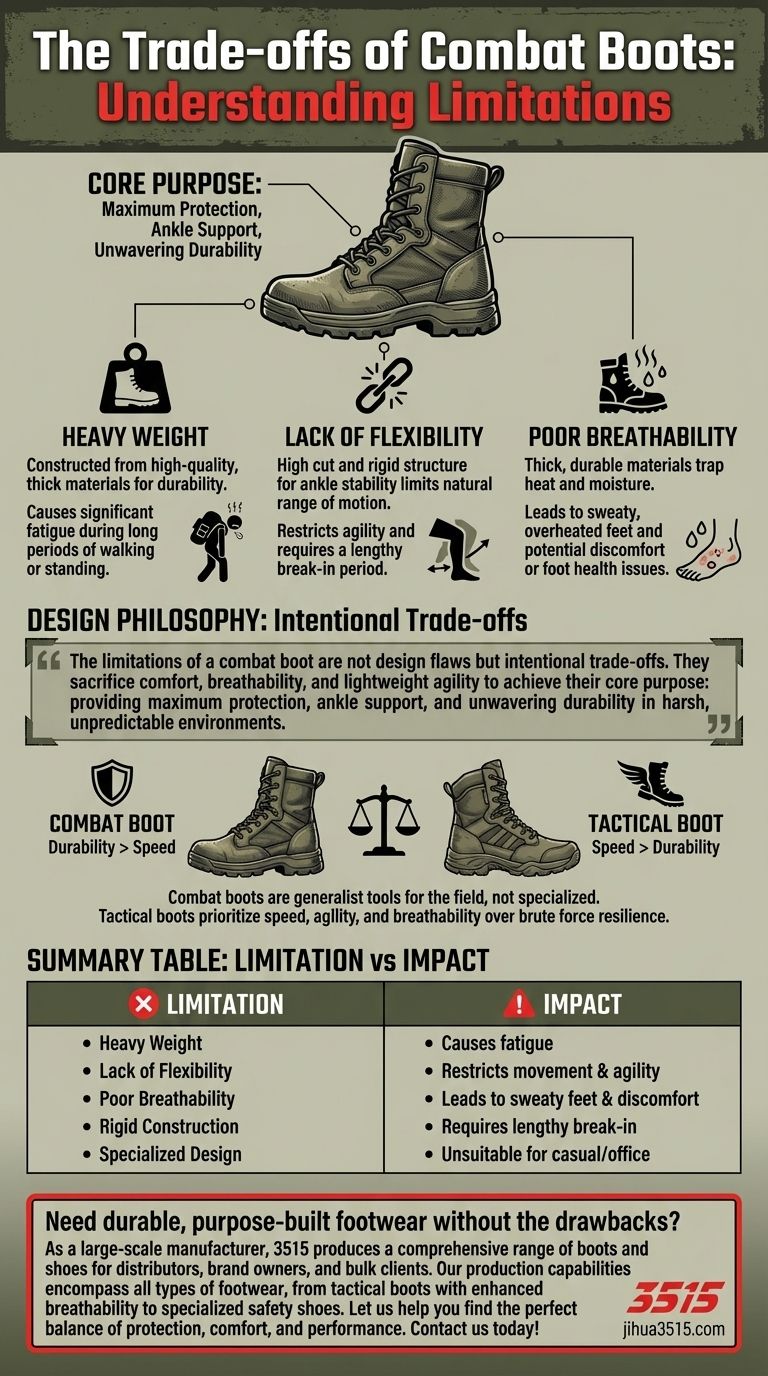
The limitations of a combat boot are not design flaws but intentional trade-offs. They sacrifice comfort, breathability, and lightweight agility to achieve their core purpose: providing maximum protection, ankle support, and unwavering durability in harsh, unpredictable environments.
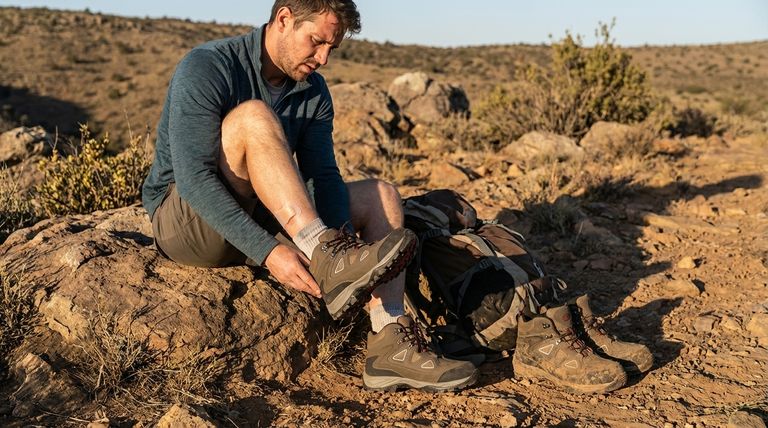
The Core Design Philosophy: Protection Above All
To understand a combat boot's limitations, you must first understand its mission. This is footwear designed to protect a soldier's feet during rigorous field operations, where terrain is unforgiving and hazards are common.
Durability Defines the Design
Combat boots are constructed from high-quality, thick materials like full-grain leather and reinforced textiles. This robust build ensures they can withstand extreme wear and tear, but it is the primary reason for their significant weight.
Prioritizing Ankle Stability
The characteristic high cut and rigid structure are engineered to prevent sprains and fractures on uneven ground. This intense focus on ankle support inherently limits the boot's flexibility and natural range of motion.
Guarding Against External Threats
Features like reinforced toe caps and puncture-resistant shanks in the sole provide critical protection from impacts and sharp objects. These safety elements add further weight and stiffness to the overall construction.
Breaking Down the Practical Limitations
The single-minded focus on protection creates several practical disadvantages for users whose needs do not perfectly align with military field operations.
The Cost of Weight and Bulk
The sheer weight of combat boots can cause significant fatigue during long periods of walking or standing. This bulkiness can feel cumbersome, slowing down movement compared to lighter footwear options.
The Problem with Breathability
The thick, durable materials that offer excellent protection are also poor at dissipating heat and moisture. This lack of breathability can lead to sweaty, overheated feet, which is not only uncomfortable but can cause blisters and other foot health issues in warm conditions.
Stiffness and Lack of Flexibility
While excellent for support, the rigid construction can feel restrictive. Activities requiring agility or a sensitive feel for the ground beneath you are more difficult in a stiff combat boot. They often require a lengthy "break-in" period to become reasonably comfortable.
Understanding the Trade-offs: A Tool for a Specific Job
It is crucial to view combat boots as a specific tool for a specific job. Their limitations only become true negatives when they are used outside of their intended context.
Generalist vs. Specialist Footwear
A combat boot is a general-purpose tool for the field, not a specialized one. It cannot replace the unique safety features of footwear required for trades like logging, which demands chainsaw protection, or firefighting, which requires extreme heat resistance.
Function Over Form
The aggressive, militaristic appearance of combat boots is a direct result of their function. This aesthetic makes them unsuitable for business or most casual environments where a less imposing look is appropriate.
Combat vs. Tactical Boots
The limitations of combat boots are clearly illustrated when compared to tactical boots. Tactical boots trade some of the combat boot's raw durability and protection for lighter materials, more flexibility, and better breathability, prioritizing speed and agility over brute force resilience.
Are Combat Boots Right for You?
Choosing the right boot means aligning its inherent design trade-offs with your primary activity.
- If your primary focus is maximum durability and foot protection in rugged terrain: The trade-offs in weight and breathability are acceptable for the superior support and safety combat boots provide.
- If your primary focus is speed, agility, or comfort in hot climates: A lighter, more breathable tactical boot or modern hiking boot is a far more suitable choice.
- If your primary focus is a specialized trade: You must use certified footwear designed specifically for the hazards of your job, as a combat boot will not offer the required protection.
Understanding these limitations allows you to select your footwear as a precise tool for your intended purpose.
Summary Table:
| Limitation | Impact |
|---|---|
| Heavy Weight | Causes fatigue during long periods of use |
| Lack of Flexibility | Restricts movement and agility |
| Poor Breathability | Leads to sweaty feet and discomfort |
| Rigid Construction | Requires lengthy break-in period |
| Specialized Design | Unsuitable for casual or office settings |
Need durable, purpose-built footwear without the drawbacks? As a large-scale manufacturer, 3515 produces a comprehensive range of boots and shoes for distributors, brand owners, and bulk clients. Our production capabilities encompass all types of footwear, from tactical boots with enhanced breathability to specialized safety shoes. Let us help you find the perfect balance of protection, comfort, and performance. Contact us today to discuss your specific needs!
Visual Guide
Related Products
- Durable Military Combat Boots with Water Drainage for Wholesale & OEM
- Durable Leather Tactical Boots Wholesale & Custom Manufacturing for Brands
- High-Traction Suede Tactical Boots Wholesale & Custom Manufacturing
- Wholesale Lightweight Tactical Boots Custom Manufacturer for Desert & Combat Use
- Durable Mid-Cut Tactical Boots for Wholesale & Private Label
People Also Ask
- Why must gait validation for military applications be conducted in combat boots? Ensure Data Accuracy for Soldiers
- What are the common types of combat boots? Find the Right Boot for Your Mission
- What factors should be considered when choosing military boots for hiking? Durability vs. Weight for Your Terrain
- What are the key considerations when choosing military boots? Prioritize Compliance, Environment & Fit
- How should the midfoot and heel fit in military boots? Achieve a Snug, Secure Fit for Blister Prevention