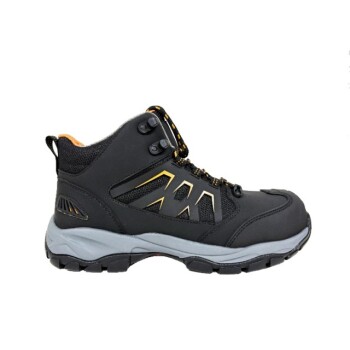
In short, the biggest advancement in soft-toe boot design is the shift from pure durability to a focus on ergonomic performance. Modern boots are no longer just rugged shells for your feet; they are engineered systems that incorporate advanced materials and designs from athletic footwear to manage moisture, reduce fatigue, and support natural foot movement throughout the day.
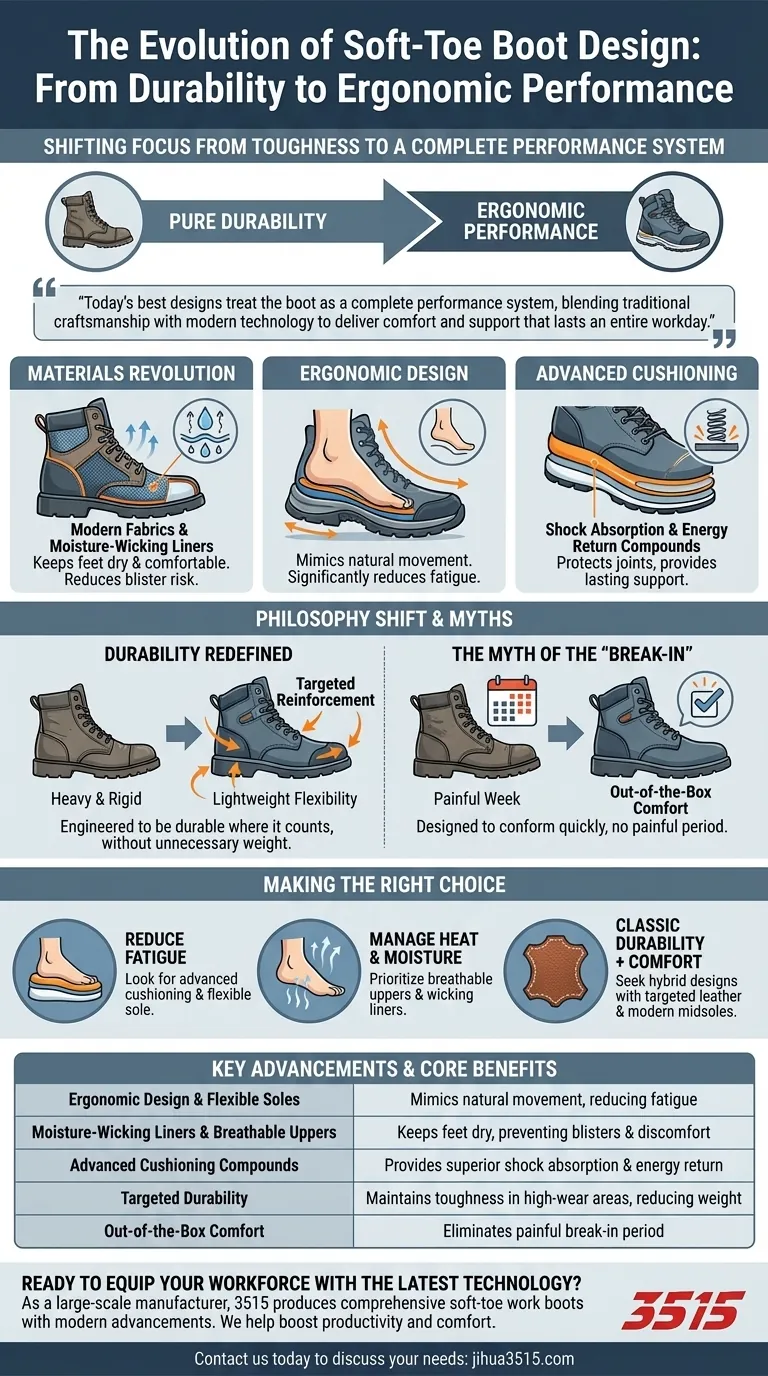
The core evolution in soft-toe boots is a move away from the "tougher is better" mindset. Today's best designs treat the boot as a complete performance system, blending traditional craftsmanship with modern technology to deliver comfort and support that lasts an entire workday, not just a single impact.
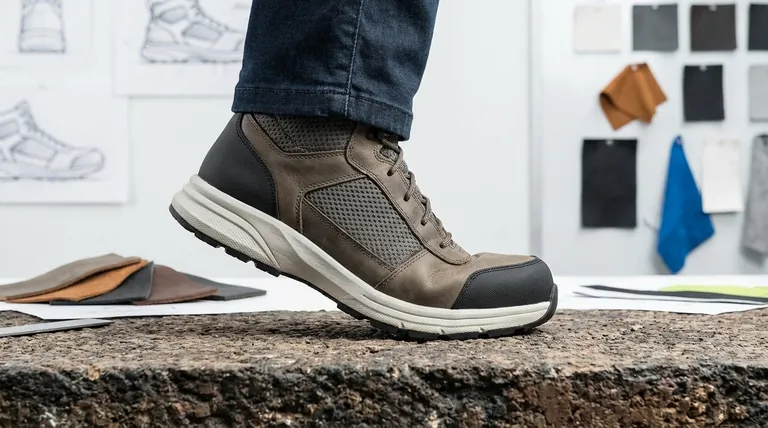
From Simple Protection to Ergonomic Systems
Historically, work boots were judged by a single metric: durability. Thick leather and heavy-duty construction were prioritized above all else, often at the expense of comfort. The modern design philosophy recognizes that true performance requires addressing the wearer's physical needs over a long period.
The Revolution in Materials
The most noticeable advancement is the integration of modern fabrics. While leather remains a staple for its durability, uppers now frequently incorporate breathable and moisture-wicking liners and panels.
These materials actively pull sweat away from the skin, keeping feet drier and more comfortable. This greatly reduces the risk of blisters and discomfort during long hours in warm conditions.
Designing for Natural Movement
Older boot designs were often rigid and restrictive. Modern boots feature ergonomic designs that are engineered to mimic the natural flexing and movement of the human foot.
This is achieved through more flexible sole constructions, anatomically shaped footbeds, and patterns that allow the boot to bend where your foot bends. The result is significantly less fatigue at the end of the day.
Advanced Cushioning and Support
Borrowing directly from performance running shoes, modern soft-toe boots have revolutionized their approach to cushioning. Simple foam or rubber has been replaced with advanced midsole compounds.
These materials are designed not just to be soft but to provide crucial shock absorption and energy return with every step. This reduces the impact on your joints and provides a feeling of support that lasts for hours.
Understanding the Trade-offs
While advancements have overwhelmingly improved boot design, it's important to understand how the philosophy has shifted. This isn't about compromise, but about a new definition of performance.
Durability Redefined
A modern boot with fabric panels might not look as indestructible as a solid leather boot from 50 years ago. However, durability is now more targeted.
High-wear areas are still reinforced with tough leather or synthetic materials, while other areas are optimized for breathability and flexibility. The boot is engineered to be durable where it counts, without unnecessary weight and rigidity.
The Myth of the "Break-In" Period
The painful, week-long "break-in" period was once a hallmark of a quality boot. This is largely a thing of the past.
Thanks to ergonomic shaping and more pliable materials, the goal of a modern boot is out-of-the-box comfort. They are designed to conform to your foot quickly, rather than forcing your foot to conform to the boot.
Making the Right Choice for Your Needs
Selecting the right boot means aligning its features with your primary challenges at work.
- If your primary focus is reducing end-of-day fatigue: Look for boots explicitly marketed with advanced cushioning systems and an ergonomic, flexible sole design.
- If your primary focus is managing heat and moisture: Prioritize boots that feature breathable uppers and moisture-wicking liners to keep your feet dry and comfortable.
- If your primary focus is combining classic durability with modern comfort: Seek out hybrid designs that use high-quality leather in key areas but integrate modern, cushioned midsoles and ergonomic footbeds.
Ultimately, modern soft-toe boots are engineered to work with your body, delivering a level of performance and comfort that was once unimaginable.
Summary Table:
| Key Advancement | Core Benefit |
|---|---|
| Ergonomic Design & Flexible Soles | Mimics natural foot movement, reducing fatigue |
| Moisture-Wicking Liners & Breathable Uppers | Keeps feet dry, preventing blisters and discomfort |
| Advanced Cushioning Compounds | Provides superior shock absorption and energy return |
| Targeted Durability | Maintains toughness in high-wear areas while reducing weight |
| Out-of-the-Box Comfort | Eliminates the need for a painful, long break-in period |
Ready to equip your workforce with the latest in boot technology?
As a large-scale manufacturer, 3515 produces a comprehensive range of footwear for distributors, brand owners, and bulk clients. Our production capabilities encompass all types of soft-toe work boots, integrating these modern advancements directly into our designs. We can help you provide footwear that boosts productivity and comfort.
Contact us today to discuss your specific needs and discover how we can bring these benefits to your customers.
Visual Guide
Related Products
- Durable Leather Moc Toe Work Boots for Wholesale & Custom Manufacturing
- Wholesale Durable Safety Boots Manufacturer Customizable Steel Toe Work Boots
- Durable Goodyear Welt Leather Work Boots for Wholesale & Private Label
- Wholesale Customizable Safety Boots Durable & Protective Footwear Manufacturing
- Puncture-Resistant Velcro Safety Boots for Wholesale & Custom Manufacturing
People Also Ask
- What are moc toe work boots designed for? Superior Comfort and Mobility for Tradespeople
- What are the key features to look for when purchasing moc toe boots? A Guide to Durability & Fit
- How did moc toe boots originate? A Legacy of Workwear Durability and Style
- What clothing items complement the Outdoorsman/Heritage Look with moc toe boots? Build a Timeless, Rugged Wardrobe
- What types of outfits can moc toe boots be worn with? Versatile Style Guide