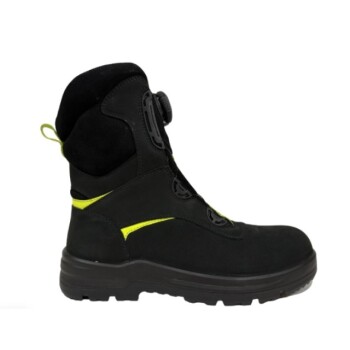
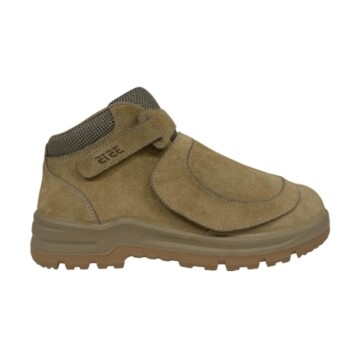
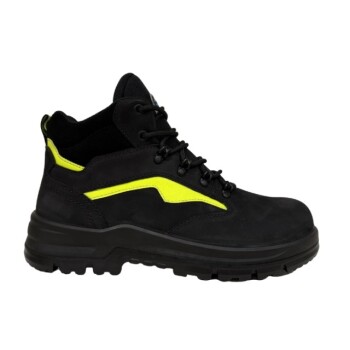
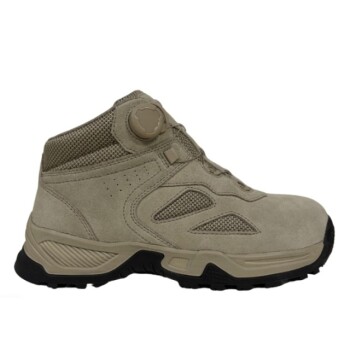
Beyond the reinforced toe, modern safety boots incorporate a suite of specialized protections designed for specific workplace hazards. Key additional features include slip- and oil-resistant outsoles for traction, electrical hazard ratings to protect from open circuits, and puncture-resistant midsoles to guard against sharp objects from below. Many also include waterproofing, insulation, and metatarsal guards for comprehensive safety.
The most effective safety boot isn't the one with the most features, but the one whose specific protections precisely match the unique hazards of your work environment. Understanding these features allows you to move beyond basic compliance and make an informed choice for your personal safety.
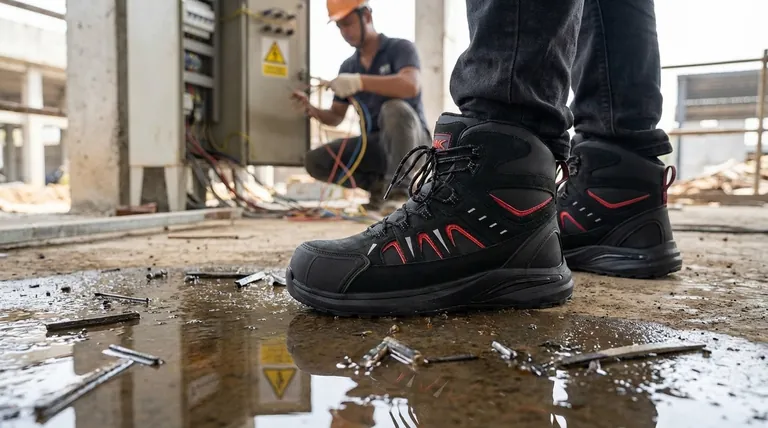
Foundational Protections for Common Hazards
While the safety toe protects from direct impact, the rest of the boot is engineered to handle a different set of risks. These foundational features address the most common dangers found in a wide range of industrial, construction, and trade environments.
Resisting Slips and Falls
The outsole is your primary defense against slips, trips, and falls. A slip-resistant rating indicates the sole provides superior traction on wet or slick surfaces.
For automotive or industrial settings, oil-resistant soles are crucial as they prevent the rubber from degrading and losing its grip when exposed to petroleum products.
Shielding from Electrical Currents
Boots with an Electrical Hazard (EH) rating are designed to protect you from accidental contact with live electrical circuits.
They feature non-conductive soles and heels that can significantly reduce the chance of electric shock when stepping on an energized object.
Preventing Puncture Wounds
In environments with nails, scrap metal, or other sharp debris, a puncture-resistant midsole is essential.
This protective plate, made of steel or a flexible composite material, sits within the sole to stop sharp objects from penetrating the bottom of the boot and injuring your foot.
Guards Against Specific Environmental Dangers
Beyond the most common risks, specialized boots offer protection tailored to unique environmental or job-specific threats.
Defending Against Water and Weather
Waterproofing uses sealed seams and treated materials to keep your feet dry in wet conditions, preventing discomfort and potential health issues.
For work in cold climates, insulation provides a thermal barrier to maintain warmth and protect against frostbite, ensuring both comfort and safety.
Protecting the Top of the Foot
A metatarsal guard is an added shield that covers the upper part of your foot (the metatarsal bones) in front of the ankle. This feature protects against heavy impact or compression from falling objects.
Managing Static Electricity
For those working with sensitive electronics, Electrostatic Dissipative (ESD) boots are required. They safely discharge static electricity from your body to the ground, preventing damage to delicate components.
Understanding the Trade-offs
Choosing the right safety features involves balancing protection with practicality. No single boot is perfect for every situation.
Protection vs. Flexibility
More protective features often mean a heavier, more rigid boot. A steel midsole or an external metatarsal guard adds significant safety but can reduce flexibility and increase weight, potentially leading to fatigue over a long shift.
Specialized vs. General-Purpose
A boot with a highly specialized feature like an ESD rating is critical for its intended environment but may lack the rugged durability needed on a construction site. Always match the boot's primary design to your primary task.
Comfort as a Safety Feature
While not a technical rating, features like cushioned insoles play a direct role in safety. A comfortable boot reduces fatigue, and a less-fatigued worker is more alert and less prone to making mistakes or having accidents.
How to Select the Right Features for Your Work
Evaluate your daily tasks and environment to determine which combination of safety features will serve you best.
- If you work on slick or oily surfaces: Prioritize boots with certified slip- and oil-resistant outsoles with a deep tread pattern.
- If you are an electrician or work near live circuits: An Electrical Hazard (EH) rating is a non-negotiable requirement for your protection.
- If your environment has sharp debris like a construction site: Ensure your boots have a puncture-resistant midsole to protect the soles of your feet.
- If you work outdoors in harsh weather: Look for a combination of waterproofing to stay dry and appropriate insulation for the temperatures you face.
Selecting the right boot is an active safety decision that directly protects you from the specific risks you face every day.
Summary Table:
| Feature | Key Benefit | Ideal For |
|---|---|---|
| Slip/Oil-Resistant Outsole | Superior traction on slick surfaces | Industrial, automotive, kitchen environments |
| Electrical Hazard (EH) Rating | Protection from live circuits | Electricians, maintenance technicians |
| Puncture-Resistant Midsole | Shields against sharp objects | Construction, manufacturing, waste management |
| Metatarsal Guard | Protects the top of the foot from impact | Heavy industry, construction, logistics |
| Waterproofing & Insulation | Keeps feet dry and warm in harsh weather | Outdoor work, cold storage, wet conditions |
| Electrostatic Dissipative (ESD) | Safely discharges static electricity | Electronics manufacturing, labs, cleanrooms |
Need safety boots that precisely match your workplace hazards?
As a large-scale manufacturer, 3515 produces a comprehensive range of safety footwear for distributors, brand owners, and bulk clients. Our production capabilities encompass all types of safety shoes and boots, engineered with the specific protections your team needs—from slip resistance and electrical hazard ratings to puncture-resistant midsoles and metatarsal guards.
We help you move beyond basic compliance to provide your workforce with boots that offer targeted, effective protection against the unique risks they face daily.
Contact us today for a consultation and discover how 3515 can be your trusted partner in workplace safety.
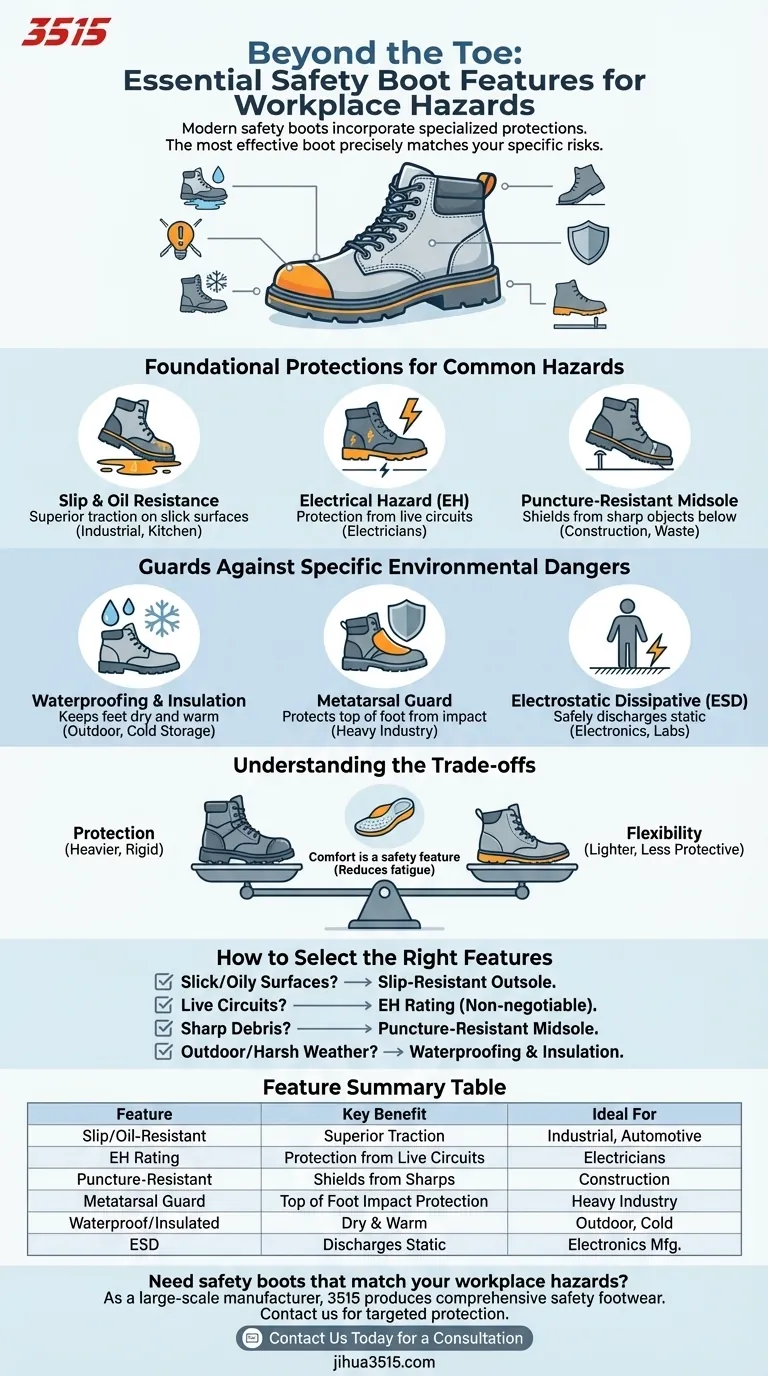
Visual Guide
Related Products
- Wholesale Durable Safety Boots | Custom Steel Toe & Puncture-Resistant Manufacturing
- Puncture-Resistant Velcro Safety Boots for Wholesale & Custom Manufacturing
- Custom Wholesale Leather Safety Boots Direct Factory Manufacturing
- Wholesale Slip-On Safety Boots Manufacturer - Custom Puncture-Proof & Steel Toe
- Wholesale Durable Breathable Safety Boots Custom OEM Manufacturer
People Also Ask
- What are the risks of using ordinary rubber boots in forest clearing? Why professional safety boots are essential
- What are the consequences of not wearing safety boots? Protect Your Finances and Career
- What makes durable safety boots? The Ultimate Guide to Long-Lasting Work Footwear
- Why is proper storage important for safety boots? Preserve Protection and Extend Lifespan
- What materials are commonly used for outsoles in safety boots? A Guide to Durability, Grip, and Comfort