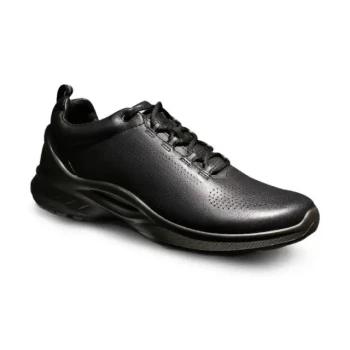
When choosing walking shoes, functionality is the non-negotiable foundation. While it is possible to find a shoe that balances both performance and personal style, your selection process must always begin with and prioritize function. A stylish shoe that causes pain or injury is ultimately a shoe you cannot wear.
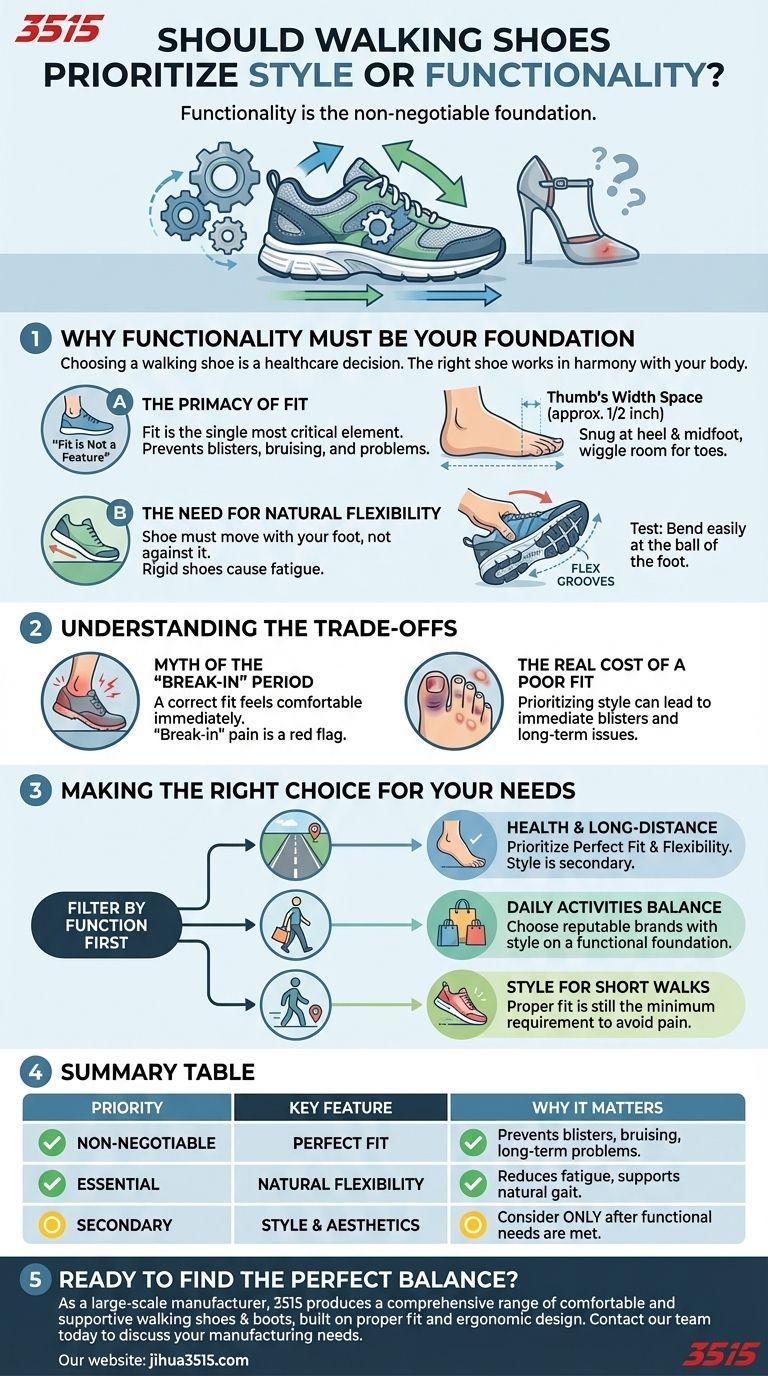
The core principle is simple: Fit is not a feature; it is the fundamental requirement. A perfect fit prevents injury and ensures comfort, making it the single most important factor in a walking shoe, far outweighing any aesthetic consideration.
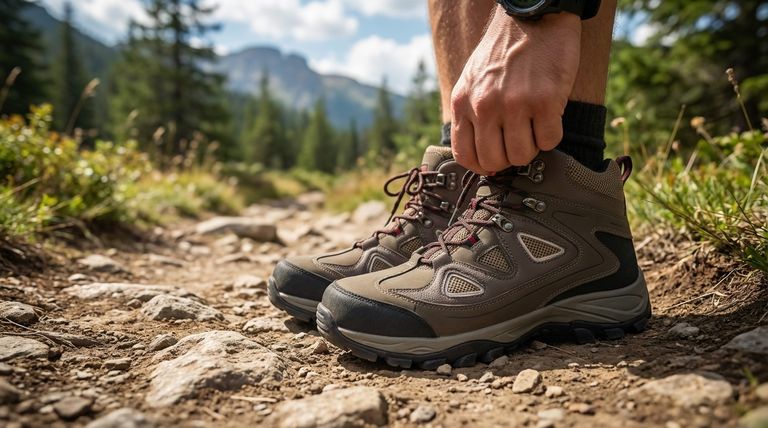
Why Functionality Must Be Your Foundation
Choosing a walking shoe is a healthcare decision as much as a style choice. The right shoe works in harmony with your body's natural mechanics, while the wrong one can lead to immediate discomfort and long-term problems.
The Primacy of Fit
Fit is the single most critical element. An improper fit is the primary cause of common issues like blisters, bruised toenails, and even more serious foot problems over time.
A proper fit feels snug around the heel and midfoot but is not tight. You should have enough room to wiggle your toes freely.
As a rule, there should be about a half-inch of space (roughly a thumb's width) between your longest toe and the end of the shoe.
The Need for Natural Flexibility
A walking shoe must move with your foot, not against it. A rigid shoe forces your foot to work harder, leading to fatigue and an unnatural gait.
You can test a shoe's flexibility easily. Hold the heel and press the toe upwards; the shoe should bend easily at the ball of the foot, where your foot naturally flexes.
Many quality walking shoes have visible flex grooves carved into the outsole to enhance this natural bending motion.
Understanding the Trade-offs
Prioritizing style over function often introduces compromises that directly undermine the purpose of a walking shoe. Understanding these pitfalls is key to making a wise investment in your health.
The Myth of the "Break-in" Period
A correctly fitted walking shoe should feel comfortable from the moment you put it on. The idea that you need to endure pain to "break in" a shoe is a red flag.
This "break-in" period is often just your foot developing calluses and blisters to protect itself from a poorly designed or ill-fitting shoe.
The Real Cost of a Poor Fit
Choosing a shoe that is too narrow or short because it looks better can lead to immediate consequences. You risk developing painful blisters on your heels or bruising your toenails during long walks.
Over time, forcing your foot into a shoe that doesn't respect its natural shape can contribute to more significant issues.
Making the Right Choice for Your Needs
Use function as your filter, not your final destination. First, identify the shoes that meet all the criteria for fit and flexibility, and then choose the style you like best from that qualified group.
- If your primary focus is health and long-distance comfort: Prioritize a perfect fit and proper flexibility above all else. Consider style only after all functional requirements are met.
- If your primary focus is a balance for daily activities: Start your search with reputable athletic or comfort-focused brands that build style onto a functional foundation, ensuring you don't have to compromise on core support.
- If your primary focus is style for short, occasional walks: You have more leeway, but a proper fit remains the absolute minimum requirement to avoid immediate pain and discomfort.
Ultimately, the best walking shoe is the one that empowers you to move with confidence and comfort.
Summary Table:
| Priority | Key Feature | Why It Matters |
|---|---|---|
| Non-Negotiable | Perfect Fit | Prevents blisters, bruising, and long-term foot problems. |
| Essential | Natural Flexibility | Reduces fatigue and supports a natural gait. |
| Secondary | Style & Aesthetics | Can be considered only after functional needs are fully met. |
Ready to find the perfect balance of function and style for your customers?
As a large-scale manufacturer, 3515 produces a comprehensive range of footwear for distributors, brand owners, and bulk clients. Our production capabilities encompass all types of comfortable and supportive walking shoes and boots, built on a foundation of proper fit and ergonomic design.
Let us help you provide footwear that empowers your customers to move with confidence. Contact our team today to discuss your manufacturing needs.
Visual Guide
Related Products
- Wholesale Durable Camouflage Canvas Shoes with High-Traction Cleated Rubber Sole
- Durable Rubber Sole Outdoor Shoes Wholesale & Custom Manufacturing
- Premium Suede Sport Safety Shoes for Wholesale & Bulk Orders
- Durable Goodyear Welt Leather Work Boots for Wholesale & Private Label
- Wholesale Comfortable Business Casual Shoes Custom Manufacturing
People Also Ask
- Why is the selection of high-strength fabric materials necessary in the production of canvas shoes and training shoes?
- What are the properties of canvas as a shoe material? A Guide to Lightweight Comfort & Style
- Can canvas shoes be worn in rainy conditions? The Truth About Water Resistance
- What are some examples of vulcanized shoes? Discover the Flexibility and Board Feel of Classic Sneakers
- What are the characteristics of canvas as a shoe material? A Guide to Lightweight, Breathable Footwear