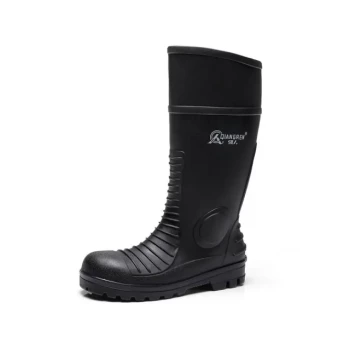
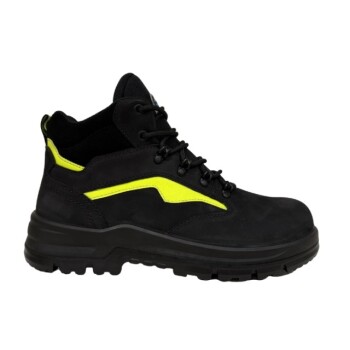
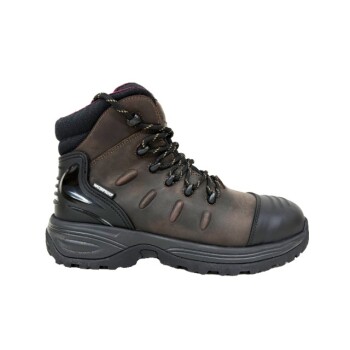
In short, PVC work boots are most suitable for environments where absolute waterproofing, chemical resistance, and affordability are the highest priorities. They are the ideal choice for short-term or intermittent use in wet, muddy, or contaminated conditions where long-term comfort and breathability are not primary concerns.
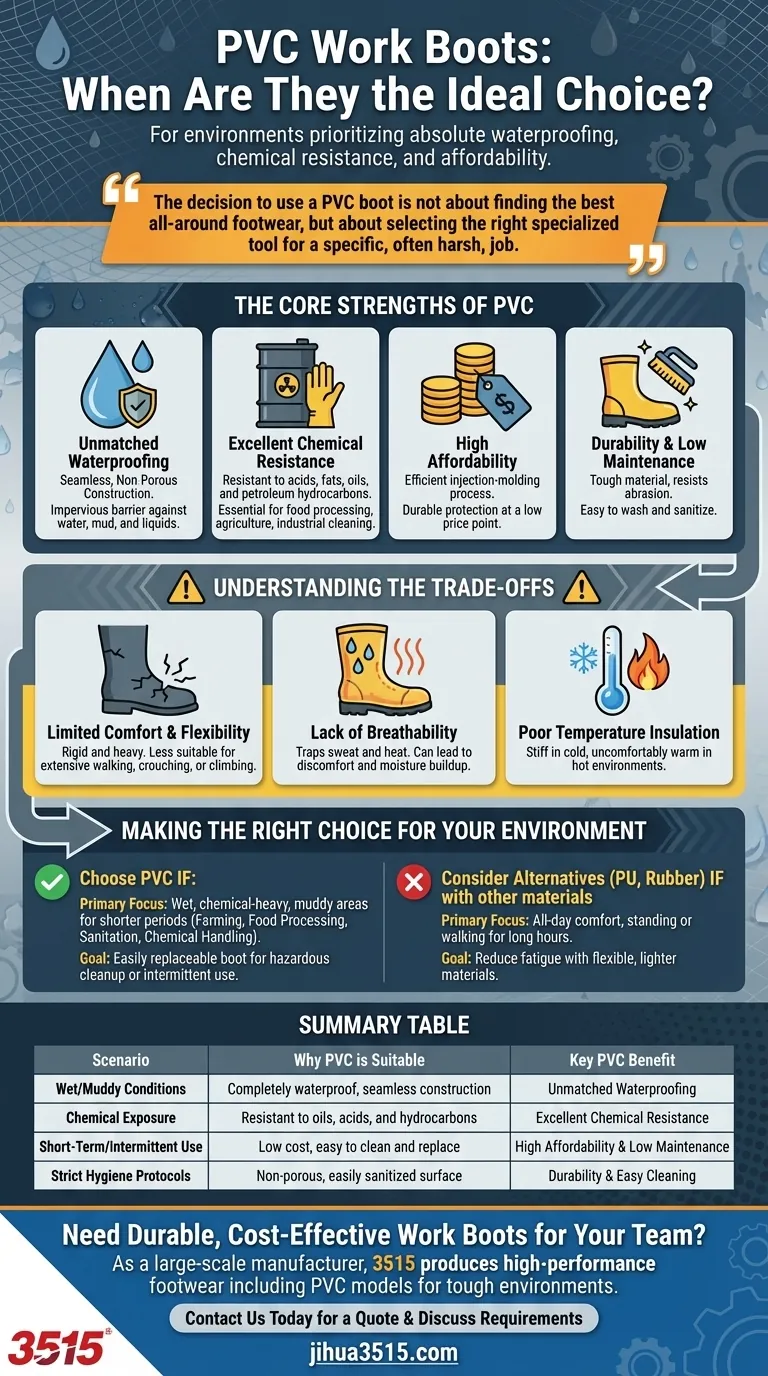
The decision to use a PVC boot is not about finding the best all-around footwear, but about selecting the right specialized tool for a specific, often harsh, job. It excels where other materials might fail or be prohibitively expensive.
The Core Strengths of PVC
Polyvinyl Chloride (PVC) is a synthetic plastic polymer. Its inherent properties, combined with an efficient injection-molding manufacturing process, give boots made from it a distinct set of advantages for particular tasks.
Unmatched Waterproofing
Because PVC is a non-porous plastic, boots are molded in a single, seamless form. This construction method eliminates stitches and joints that could otherwise become points of failure, creating a completely impervious barrier against water, mud, and other liquids.
Excellent Chemical Resistance
PVC is naturally resistant to a wide range of common chemicals, including many acids, fats, oils, and petroleum hydrocarbons. This makes it an essential material for workers in food processing, agriculture, and industrial cleaning where such exposures are common.
High Affordability
The injection-molding process used to create PVC boots is highly efficient and uses relatively inexpensive raw materials. This results in a durable, protective boot at a very low price point, making it a practical choice for large crews or for jobs that quickly soil or destroy footwear.
Durability and Low Maintenance
PVC is a tough material that resists abrasion and scuffs well. It requires no special care and can be easily washed and sanitized, which is a critical feature for industries with strict hygiene protocols.
Understanding the Trade-offs
No material is perfect for every application. The same properties that make PVC excellent for specific jobs also create its primary limitations. Understanding these trade-offs is key to making an informed choice.
Limited Comfort and Flexibility
PVC is a relatively rigid and heavy material compared to alternatives like polyurethane (PU) or rubber. This stiffness makes it less suitable for tasks that require extensive walking, crouching, or climbing, and it can lead to fatigue over a long workday.
Lack of Breathability
The same non-porous quality that makes PVC completely waterproof also means it is not breathable. It traps sweat and heat, which can lead to discomfort, moisture buildup, and potential skin issues during extended wear.
Poor Temperature Insulation
PVC offers very little insulation. It tends to become stiff and cold in low temperatures and can become uncomfortably warm in hot environments, transferring the ambient temperature directly to the wearer's foot.
Making the Right Choice for Your Environment
Your specific work environment and the duration of wear should be the deciding factors when choosing a work boot.
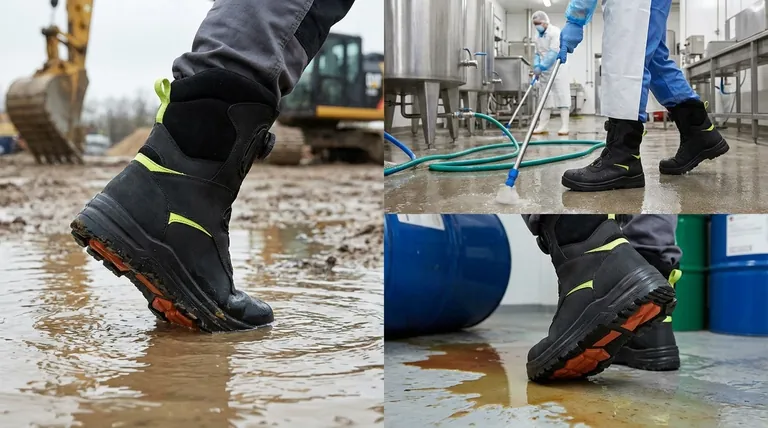
- If your primary focus is working in wet, chemical-heavy, or muddy areas for shorter periods: PVC is the ideal, cost-effective choice for tasks in farming, food processing, sanitation, and chemical handling.
- If your primary focus is all-day comfort while standing or walking for long hours: You should look for boots made from more flexible and lighter materials like PU or rubber, as PVC's weight and rigidity will likely cause fatigue.
- If your primary focus is finding an easily replaceable boot for hazardous material cleanup or intermittent use: PVC's low cost and high chemical resistance make it a perfect solution.
Choosing the right boot means matching the material's properties to the demands of your job.
Summary Table:
| Scenario | Why PVC is Suitable | Key PVC Benefit |
|---|---|---|
| Wet/Muddy Conditions | Completely waterproof, seamless construction | Unmatched Waterproofing |
| Chemical Exposure | Resistant to oils, acids, and hydrocarbons | Excellent Chemical Resistance |
| Short-Term/Intermittent Use | Low cost, easy to clean and replace | High Affordability & Low Maintenance |
| Strict Hygiene Protocols | Non-porous, easily sanitized surface | Durability and Easy Cleaning |
Need Durable, Cost-Effective Work Boots for Your Team?
As a large-scale manufacturer, 3515 produces a comprehensive range of high-performance footwear for distributors, brand owners, and bulk clients. Our production capabilities encompass all types of specialized shoes and boots, including PVC models designed for the toughest environments.
We can provide your team with the right protective footwear that combines durability, chemical resistance, and affordability.
Contact us today to discuss your requirements and get a quote!
Visual Guide
Related Products
- Wholesale Customizable Safety Boots Durable & Protective Footwear Manufacturing
- Wholesale Heavy-Duty Waterproof Steel Toe Work Boots OEM Manufacturer
- Durable Leather Moc Toe Work Boots for Wholesale & Custom Manufacturing
- Durable Leather Work Boots for Wholesale & Custom OEM Manufacturing
- Durable Leather Work Boots for Wholesale & Custom Manufacturing
People Also Ask
- Why are industrial safety boots with steel toes necessary for machine operators? Essential Foot Protection for Safety
- What is the history of steel toe work boots? From German Invention to Modern Safety Standard
- What are the different types of steel toe work boots? Choose the Right Boot for Your Job
- What are the pros and cons of steel toe work boots? A Guide to Maximum Protection vs. Comfort
- What industries are safety toe work boots best suited for? Protect Your Feet in High-Risk Environments