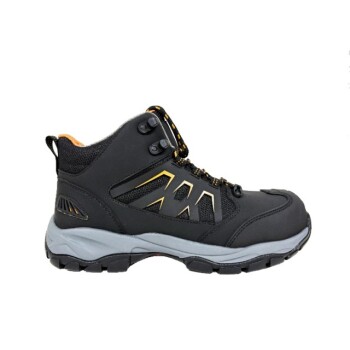
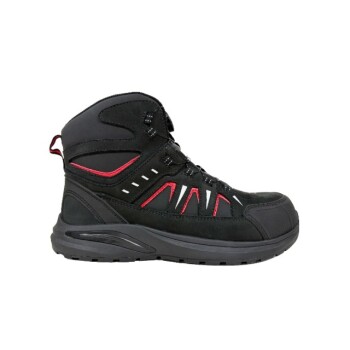
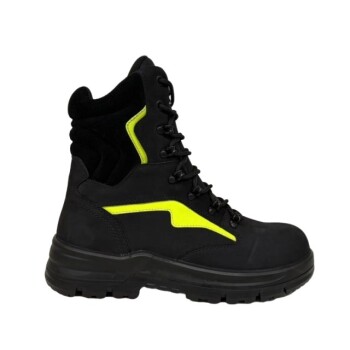
To properly maintain steel toe boots for longevity, you must adopt a routine of regular cleaning, conditioning with waterproofing waxes or sprays, and consistent inspection for any cracks or tears. Allowing boots to dry completely between uses, often by rotating between two pairs, is also a critical step in preserving their structural integrity and extending their functional life.
The core principle of boot maintenance is not just about appearance; it is a crucial safety practice. Consistent care ensures the materials retain their protective qualities, preventing premature failure that could compromise your safety on the job.
The Foundation of Longevity: Routine Care
Proper maintenance begins with simple, repeatable habits. These actions form the basis of a long-lasting and reliable pair of work boots.
Start with Regular Cleaning
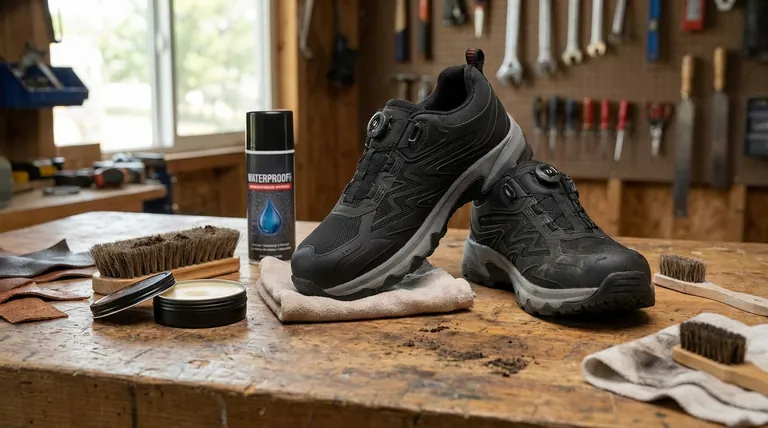
After each use, take a moment to brush off loose dirt and dust. This prevents abrasive particles from working their way into the leather or fabric, which can slowly degrade the material over time.
For more thorough cleaning, follow the manufacturer's specific instructions, as different materials require different care.
Condition and Waterproof the Exterior
Leather boots require conditioning to prevent them from drying out and cracking. Using a waterproofing wax or spray is essential for repelling water and chemicals.
This step not only keeps your feet dry but also protects the boot's core materials from moisture damage, which is a primary cause of premature failure.
Allow for Proper Drying
Consistently wearing damp boots accelerates the breakdown of leather, adhesives, and stitching. It also creates an environment for bacteria.
The most effective method to ensure boots dry completely is to rotate between two pairs. This gives each pair a full day or more to air out naturally.
Beyond Cleaning: Proactive Inspections and Fit
While cleaning is foundational, actively inspecting your boots and ensuring they fit correctly is what guarantees they remain safe and comfortable for the long haul.
The Critical Safety Inspection
You must regularly inspect your boots for signs of wear and tear. Look for cracks in the sole, separation between the upper and the outsole, and any deep cuts or tears, especially around the steel toe.
Finding and addressing minor issues early can prevent a catastrophic failure when the boot's protection is needed most.
Maintaining Comfort and Support
The longevity of your boots also depends on how they support your feet. Breaking in new boots gradually prevents stress on both your feet and the boot's seams.
Using high-quality orthotic insoles and moisture-wicking socks enhances comfort and reduces internal wear on the boot's lining. Adjusting lacing techniques can also relieve pressure points and improve stability.
Common Pitfalls to Avoid
Neglecting certain aspects of boot care can drastically shorten their lifespan and compromise their safety features.
Ignoring Minor Damage
A small crack in the leather or slight separation of the sole can seem insignificant. However, these minor faults can quickly worsen under job site stress, allowing moisture to penetrate and completely compromising the boot's structural integrity.
Using Direct Heat to Dry
Never place wet boots near a direct heat source like a radiator or heater. Intense heat can cause leather to crack, shrink, and become brittle. It can also melt the adhesives that hold the boot together.
Forgetting the Interior
The inside of the boot is just as important as the outside. Always remove insoles to allow them and the boot's footbed to dry thoroughly. This prevents odor, bacteria, and the breakdown of interior materials.
A Maintenance Strategy for Your Goal
Your specific work environment should dictate your maintenance priorities.
- If your primary focus is working in wet or muddy conditions: Make daily cleaning and re-applying waterproofing agents your top priority.
- If your primary focus is protection from falling objects: Conduct daily visual inspections of the toe cap area and the sole's attachment point.
- If your primary focus is all-day comfort and support: Emphasize rotating pairs to allow cushioning to recover and using high-quality insoles.
Ultimately, treating your work boots as a critical piece of safety equipment is the key to ensuring they protect you for their entire intended lifespan.
Summary Table:
| Maintenance Step | Key Action | Benefit |
|---|---|---|
| Routine Cleaning | Brush off dirt after use; deep clean as needed. | Prevents material degradation from abrasives. |
| Conditioning | Apply waterproofing wax/spray regularly. | Protects leather from cracking and moisture damage. |
| Proper Drying | Air dry naturally; rotate between two pairs. | Prevents breakdown of leather, adhesives, and stitching. |
| Safety Inspection | Check for sole cracks, tears, and sole separation. | Identifies minor issues before they become safety hazards. |
Need durable, long-lasting safety boots? As a large-scale manufacturer, 3515 produces a comprehensive range of high-quality footwear for distributors, brand owners, and bulk clients. Our production capabilities encompass all types of safety shoes and boots built to withstand rigorous use. Contact us today to discuss your specific needs and discover how we can provide reliable, protective footwear for your workforce.
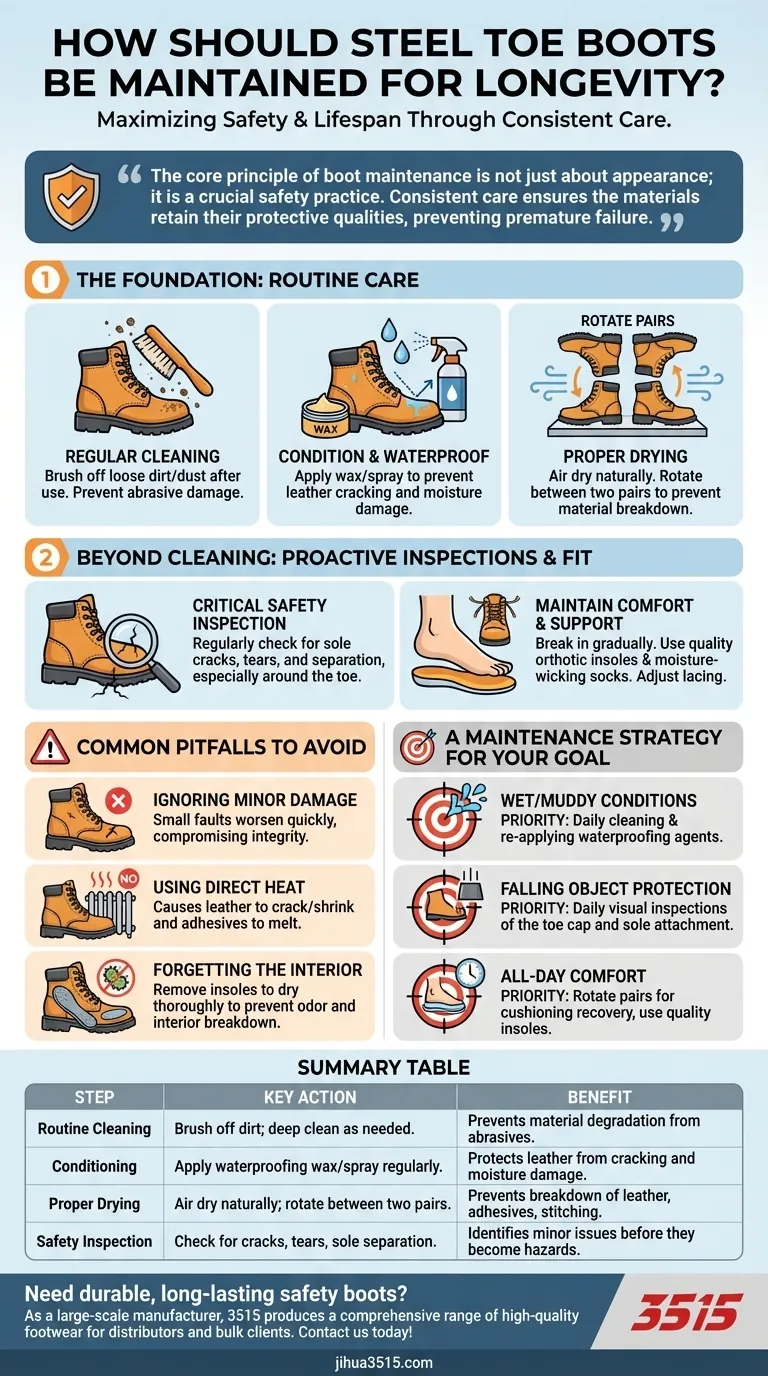
Visual Guide
Related Products
- Durable Steel Toe Safety Boots Wholesale & Custom Manufacturing
- Wholesale Durable Breathable Safety Boots Custom OEM Manufacturer
- Wholesale Durable 6-Inch Work Boots | Custom & Private Label Manufacturer
- Puncture-Resistant Velcro Safety Boots for Wholesale & Custom Manufacturing
- Premium Sport Style Safety Boots for Bulk Orders
People Also Ask
- Why are industrial safety boots with steel toes necessary for machine operators? Essential Foot Protection for Safety
- Why is it mandatory to wear safety shoes with steel toe protection during metal loading? Prevent Crushing Injuries
- What are the main materials used in steel toe safety shoes? A Guide to Protective Footwear Construction
- What are the characteristics of steel toe safety boots? Maximum Protection, Key Trade-offs
- Is it true that steel toes can cause toes to get cut off? Debunking the Dangerous Myth