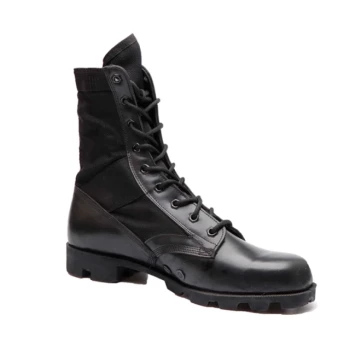
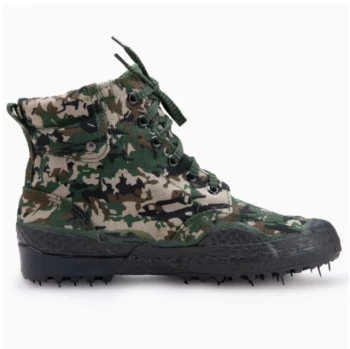
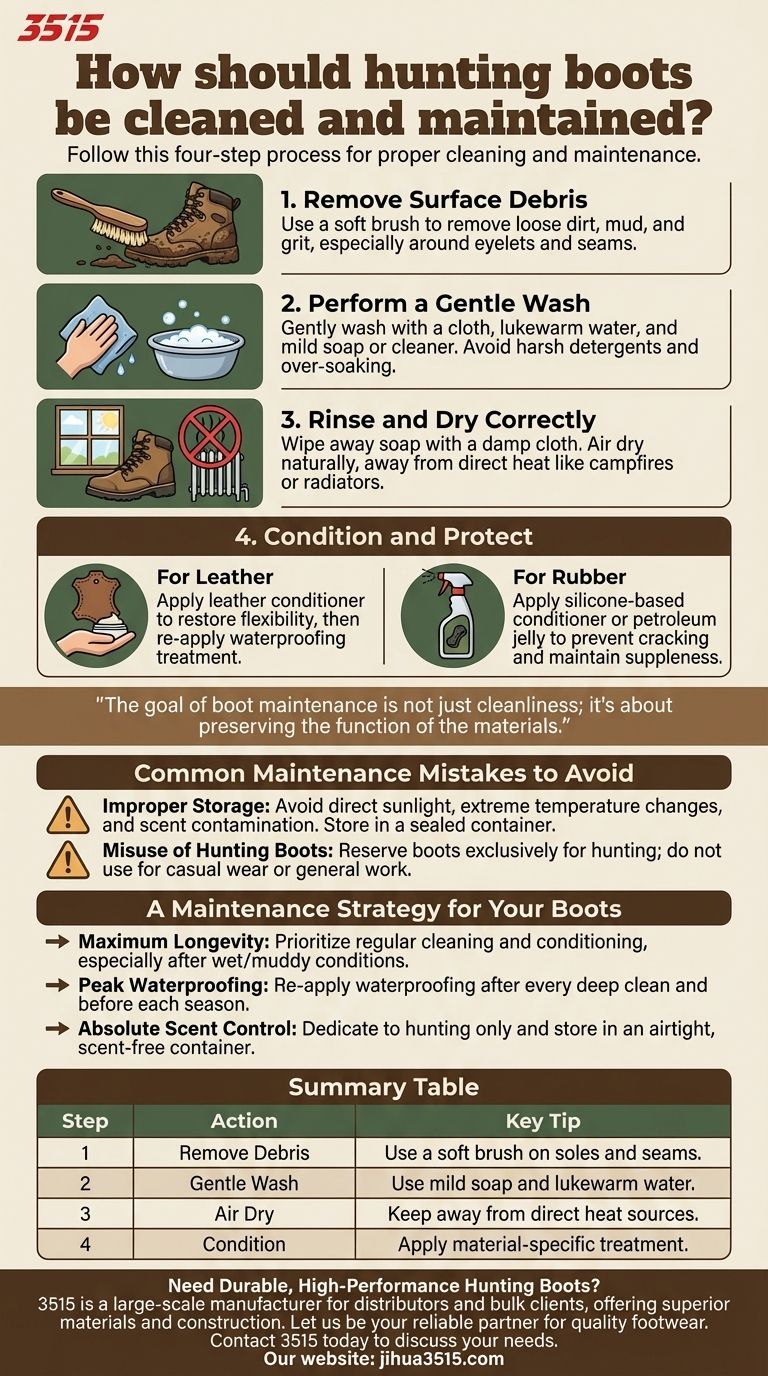
To properly clean and maintain your hunting boots, you must follow a four-step process. First, remove all loose dirt and mud with a soft brush. Next, gently wash the boots using a cloth with lukewarm water and a mild soap or specialized cleaner. Finally, allow them to air dry completely away from any direct heat source before applying a material-specific conditioner or waterproofing treatment to preserve their integrity.
The goal of boot maintenance is not just cleanliness; it's about preserving the function of the materials. Improper cleaning, especially using harsh detergents or direct heat for drying, will actively degrade the leather, rubber, and waterproof membranes that keep you protected in the field.
The Essential Cleaning Protocol
Proper cleaning is a non-negotiable first step that prevents abrasive dirt and moisture from breaking down boot materials over time.
Step 1: Remove Surface Debris
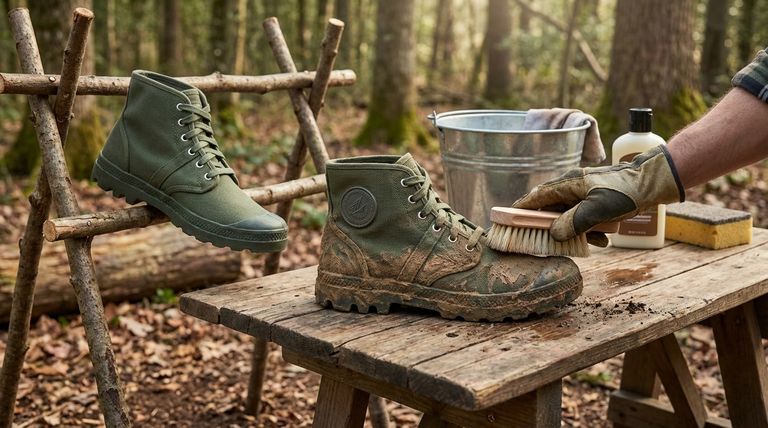
Before introducing any water, you must remove all caked-on mud and grit. Use a soft-bristled brush to thoroughly scrub the uppers, soles, and crevices.
Pay special attention to the areas around eyelets and seams, where trapped debris can cause premature wear.
Step 2: Perform a Gentle Wash
Mix a small amount of mild soap or a specialized boot cleaner into a container of lukewarm water. Harsh detergents will strip essential oils from leather, causing it to become brittle and crack.
Dampen a soft cloth or sponge in the solution and gently scrub the entire boot surface. Avoid fully soaking the boot, as this can oversaturate the materials and extend drying time significantly.
Step 3: Rinse and Dry Correctly
After washing, use a clean, damp cloth to wipe away any remaining soap residue.
This next step is critical: air dry your boots naturally. Never place them next to a campfire, radiator, or other direct heat source. Intense heat can shrink and crack leather, warp rubber, and destroy the adhesives holding the boot together.
Beyond Cleaning: Conditioning and Protection
Once your boots are completely dry, the final step is to restore the materials and renew their weather resistance.
For Leather Boots: Restore and Protect
Leather requires conditioning to remain flexible and strong. Apply a high-quality leather conditioner with a soft cloth, working it into the material in a circular motion.
After conditioning, you may need to re-apply a waterproofing treatment. This restores the boot's ability to repel water, a critical feature for field performance.
For Rubber Boots: Maintain Flexibility
Rubber boots can become brittle and crack over time, especially when exposed to sunlight.
To prevent this, apply a silicone-based rubber conditioner or a thin layer of petroleum jelly. This simple step keeps the material supple and significantly extends the life of your boots.
Common Maintenance Mistakes to Avoid
How you care for your boots between hunts is as important as how you clean them. Avoiding these common errors is essential for preserving your investment.
The Pitfall of Improper Storage
Never store boots in direct sunlight or in areas with extreme temperature fluctuations, such as a car trunk or uninsulated shed. These conditions accelerate material degradation.
For scent control, store your hunting boots in a sealed container or bag, separate from other clothing or gear that may carry foreign odors.
The Misuse of Hunting Boots
While durable, hunting boots are specialized gear. Using them for casual wear, yard work, or as general-purpose snow boots exposes them to unnecessary wear and contaminants.
Reserve your hunting boots exclusively for hunting to prolong their lifespan and maintain their scent integrity for the field.
A Maintenance Strategy for Your Boots
Your approach should be tailored to the primary demands you place on your footwear.
- If your primary focus is maximum longevity: Make regular cleaning and conditioning your top priority, especially after exposure to wet and muddy conditions.
- If your primary focus is peak waterproofing: Re-apply waterproofing treatments after every deep cleaning and at the beginning of each hunting season.
- If your primary focus is absolute scent control: Dedicate your boots to hunting only and always store them in an airtight, scent-free container.
Proper care ensures your boots are a reliable asset, not a point of failure, on every hunt.
Summary Table:
| Step | Action | Key Tip |
|---|---|---|
| 1 | Remove Debris | Use a soft brush on soles and seams. |
| 2 | Gentle Wash | Use mild soap and lukewarm water. |
| 3 | Air Dry | Keep away from direct heat sources. |
| 4 | Condition | Apply material-specific treatment. |
Need Durable, High-Performance Hunting Boots?
As a large-scale manufacturer, 3515 produces a comprehensive range of footwear for distributors, brand owners, and bulk clients. Our production capabilities encompass all types of hunting boots, ensuring superior materials and construction built to withstand the elements.
Let us be your reliable partner for quality footwear that lasts. Contact 3515 today to discuss your needs.
Visual Guide
Related Products
- Wholesale Lightweight Tactical Boots Custom Manufacturer for Desert & Combat Use
- High-Traction Suede Tactical Boots Wholesale & Custom Manufacturing
- Durable Leather Tactical Boots Wholesale & Custom Manufacturing for Brands
- Durable Military Combat Boots with Water Drainage for Wholesale & OEM
- Wholesale Waterproof Tactical Boots Custom Suede & High-Traction Soles
People Also Ask
- What are the common types of combat boots? Find the Right Boot for Your Mission
- What specialized protections do tactical boots offer? Maximize Endurance with High-Performance Footwear
- What is the role of high-frequency acquisition hardware in technical skill analysis for outdoor and tactical boots?
- What are the main construction similarities between tactical boots and tactical sneakers? Built for Performance & Durability
- How does additive manufacturing equipment reduce environmental risks? Sustainable Tactics for Modern Footwear Production