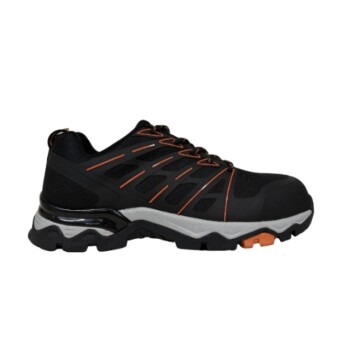
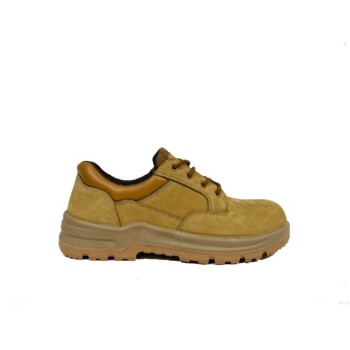
Human joint motion monitoring technology is applied to footwear R&D by utilizing kinematic data to link specific gait parameters with structural design requirements. By tracking the dynamic feedback of feet and joints during movement, manufacturers can scientifically optimize shock absorption, anti-slip patterns, and support systems to meet the rigorous demands of safety and tactical footwear.
Core Takeaway This technology shifts footwear design from static measurements to dynamic, data-driven engineering. By mapping authentic movement trajectories, developers can precisely calibrate shoes to prevent falls and minimize muscle fatigue in high-intensity environments.
The Role of Kinematics in Design Optimization
Capturing Dynamic Gait Parameters
The foundation of this application lies in the detailed analysis of gait parameters. Manufacturers use motion capture systems to record walking patterns and postures under various conditions.
This data goes beyond simple sizing; it tracks how joints articulate and how weight distributes during movement. This allows for a granular understanding of the biomechanical stresses placed on the foot during heavy industrial operations or tactical training.
Engineering Shock Absorption
Once kinematic data is captured, it is used to refine shock absorption structures. By identifying exactly where impact forces are highest during specific movements, designers can place cushioning materials more effectively.
This targeted approach directly addresses muscle fatigue. Reducing the impact on joints during repetitive motions helps maintain user stamina over long shifts.
Enhancing Stability and Anti-Slip Features
Motion monitoring is critical for developing robust anti-slip designs. By analyzing the micro-movements that occur just before a slip or fall, engineers can design outsole treads that counteract these specific forces.
This leads to optimized support performance. The shoe is engineered to stabilize the joint at critical angles, effectively preventing falls and enhancing overall safety in hazardous environments.
Understanding the Trade-offs
Specificity vs. Versatility
A common challenge in using joint monitoring data is the risk of over-specialization. A shoe heavily optimized for the gait parameters of walking on flat concrete may perform poorly when climbing ladders or navigating uneven terrain.
Designers must balance precision data with versatile utility. Relying too strictly on a single set of motion data can compromise the shoe's performance in unpredictable real-world scenarios.
Data Context and Interpretation
While high-precision sensors provide accurate data, the context of that data matters. Motion capture often occurs in controlled environments or simulations.
There is a potential gap between "lab" biomechanics and the chaotic reality of an industrial site. Engineers must carefully validate that the clean data from the lab translates effectively to the messy, variable conditions of actual use.
Making the Right Choice for Your Goal
To leverage this technology effectively, you must align the data insights with your specific safety objectives.
- If your primary focus is reducing worker fatigue: Prioritize data on joint impact forces to optimize shock absorption zones in the heel and forefoot.
- If your primary focus is accident prevention: Focus on kinematic data related to lateral stability and friction coefficients to refine anti-slip tread patterns.
By grounding design decisions in real-world biomechanical data, you transform safety footwear from simple protective gear into a performance-enhancing tool.
Summary Table:
| Application Category | Data Insight Targeted | R&D Design Outcome |
|---|---|---|
| Gait Analysis | Biomechanical stress & joint articulation | Dynamic structural engineering |
| Impact Mapping | High-force impact zones | Targeted shock absorption systems |
| Slip Prevention | Micro-movement & friction needs | Optimized anti-slip outsole patterns |
| Stability Control | Critical joint angles | Enhanced lateral support & fall prevention |
Elevate Your Product Line with Biomechanical Precision
As a large-scale manufacturer serving distributors and brand owners, 3515 offers comprehensive production capabilities for all footwear types, anchored by our flagship Safety Shoes series. Our extensive portfolio covers work and tactical boots, outdoor shoes, training shoes, and sneakers, as well as Dress & Formal shoes to meet diverse bulk requirements.
By partnering with 3515, you gain access to advanced manufacturing that translates complex human joint motion data into high-performance protective gear. We help you deliver superior comfort, reduced muscle fatigue, and enhanced stability to your customers.
Ready to upgrade your inventory with data-driven footwear?
Contact us today to discuss your bulk production needs!
References
- Thang Hoang, Yaojung Shiao. New Method for Reduced-Number IMU Estimation in Observing Human Joint Motion. DOI: 10.3390/s23125712
This article is also based on technical information from 3515 Knowledge Base .
Related Products
- Premium Suede Sport Safety Shoes for Wholesale & Bulk Orders
- Premium Lightweight Safety Shoes for Wholesale & Bulk Orders
- Wholesale Anti-Smash & Puncture-Proof Safety Shoes Custom Manufacturing for Brands
- Premium KPU Injection Athletic Style Safety Shoes
- Premium Safety Shoes with Rotating Buckle Safety Sneakers
People Also Ask
- What industries have specific OSHA footwear requirements? Ensure Compliance & Protect Your Workforce
- What are the primary functions of professional safety shoes? Maximize Safety in Water Supply Confined Spaces
- What role do specialized safety shoes play in preventing falls? Engineering Stability in Industrial Environments
- What are the technical advantages of integrating sensors into safety shoes? Achieve Superior Motion Capture Precision
- How do the 3R principles influence green footwear design? Master Sustainable Safety Shoe Manufacturing