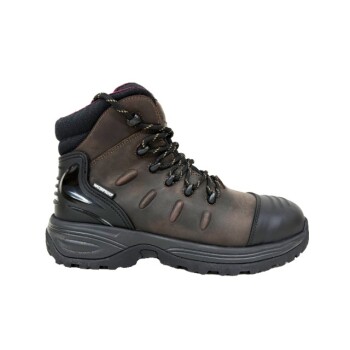
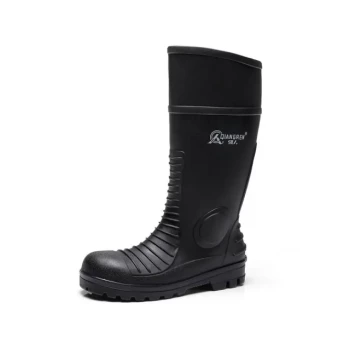
The structural design of industrial safety shoes prevents Tarsal Tunnel Syndrome (TTS) primarily by optimizing mechanical pressure distribution across the foot. By integrating robust arch support and calibrated sole flexibility, high-performance footwear alleviates compression on the medial plantar nerve—a critical vulnerability for workers who stand for extended periods or suffer from flat feet. Conversely, poor design choices, such as excessive weight or over-rigidity, serve as external catalysts that actively worsen nerve compression.
The prevention of TTS relies on footwear that acts as a dynamic support system rather than just a protective shell. The most effective safety shoes balance external protection with internal biomechanical correction, preventing the arch collapse and muscle fatigue that ultimately pinch the posterior tibial nerve.
Optimizing Biomechanical Support
The Critical Role of Arch Support
The foundation of TTS prevention is robust arch support. The primary reference indicates that proper structural support corrects the mechanical distribution of the foot, specifically reducing pressure on the medial plantar nerve.
By reinforcing the midsole, high-quality shoes stabilize the foot structure. This is particularly vital for workers with flat feet, as it prevents the excessive pronation (inward rolling) that compresses the tarsal tunnel.
Pressure Buffering and Distribution
Specialized foot pads and ergonomic insoles function as a targeted optimization technique. These components fill gaps in the foot arch, altering the pressure distribution at the interface between the foot and the sole.
This design feature disperses the impact forces generated during walking. By cushioning the foot, these pads prevent the micro-trauma in the tarsal tunnel area that is often caused by rigid soles acting directly against the foot.
Reducing Fatigue-Induced Compression
The Impact of Shoe Weight
The weight specification of the shoe is not merely a comfort factor; it is a mechanical determinant of nerve safety. Heavier protective boots increase the burden on lower limb muscles, leading to premature fatigue.
As muscles fatigue, the dynamic support capacity of the foot arch weakens. This weakening results in mechanical imbalances that increase the probability of posterior tibial nerve compression, making lightweight optimization essential for long-term prevention.
Sole Flexibility Requirements
While protection is necessary, sole flexibility is equally critical for nerve health. The primary reference warns that overly rigid soles can exacerbate nerve compression by limiting natural foot movement.
Appropriate flexibility ensures the shoe moves with the foot rather than resisting it. This reduces the passive pulling on ankle joints and gastrocnemius muscles, further stabilizing the foot as a pivot point during both standing and walking.
Understanding the Trade-offs
Rigidity vs. Micro-Trauma
A common pitfall in industrial footwear selection is prioritizing maximum exterior durability at the cost of interior ergonomics. While a rigid sole may offer superior puncture resistance, it can act as a hard surface that transmits shock directly to the foot.
Designers must balance protective standards with the need to prevent micro-trauma. If a sole is too rigid without adequate internal cushioning, it becomes a direct cause of the nerve irritation it is meant to prevent.
Weight vs. Protection Levels
Reducing weight to prevent fatigue must not compromise safety compliance. The challenge lies in selecting materials that meet industrial protective standards while maintaining a lightweight profile.
Users must be wary of "ultra-light" shoes that lack the necessary reinforced midsole support. A shoe that is light but structurally weak will fail to support the arch, leading to the exact mechanical collapse that causes TTS.
Making the Right Choice for Your Goal
To select the appropriate safety footwear for your specific environment:
- If your primary focus is Prolonged Standing: Prioritize robust arch support and reinforced midsoles to maintain static stability and relieve pressure on the medial plantar nerve.
- If your primary focus is High Mobility/Walking: Prioritize lightweight construction to prevent muscle fatigue and the subsequent weakening of the foot's dynamic support.
- If your primary focus is Recovery from TTS: Look for shoes with specialized foot pads or deep cushioning to disperse impact forces and minimize micro-trauma during the healing process.
The ideal safety shoe does not just protect the foot from falling objects; it preserves the internal architecture of the foot against the cumulative strain of the workday.
Summary Table:
| Design Feature | Impact on TTS Prevention | Primary Benefit |
|---|---|---|
| Robust Arch Support | Corrects mechanical pressure distribution | Prevents arch collapse and nerve pinching |
| Lightweight Profile | Reduces lower limb muscle fatigue | Maintains dynamic foot stability throughout shifts |
| Ergonomic Insoles | Disperses impact forces and fills gaps | Minimizes micro-trauma in the tarsal tunnel |
| Sole Flexibility | Facilitates natural foot movement | Reduces passive pulling on ankle joints and nerves |
Secure Your Workforce with Biomechanically Engineered Footwear
Protecting your team from chronic injuries like Tarsal Tunnel Syndrome requires more than just a steel toe; it requires a deep understanding of foot ergonomics. As a large-scale manufacturer serving distributors and brand owners, 3515 offers comprehensive production capabilities for all footwear types, anchored by our flagship Safety Shoes series.
By partnering with us, you gain access to an extensive portfolio that includes work and tactical boots, outdoor shoes, training shoes, and sneakers, as well as Dress & Formal shoes designed to meet diverse bulk requirements. We help you deliver superior comfort and mechanical protection that reduces worker fatigue and long-term healthcare costs.
Ready to elevate your product line with high-performance safety solutions? Contact us today to discuss your manufacturing needs and bulk requirements!
References
- Olieve Indri LEKSMANA, Muchtaruddin Mansyur. The Effectiveness of Indonesia’s Seven - Step Return to Work Assessment on a Distal Tarsal Tunnel Syndrome : A Case Report Study. DOI: 10.7888/juoeh.46.29
This article is also based on technical information from 3515 Knowledge Base .
Related Products
- Premium Waterproof High-Cut Industrial Safety Boots for Wholesale and Bulk Orders
- Premium Wheat Nubuck Safety Shoes for Bulk Distribution
- Wholesale Mesh Steel Toe Safety Shoes with Dial Closure Factory Production
- Wholesale Anti-Smash & Puncture-Proof Safety Shoes Custom Manufacturing for Brands
- Premium KPU Athletic Safety Shoes for Wholesale
People Also Ask
- Why are oil-resistant and anti-slip properties critical for industrial safety boots? Expert Outsole Engineering Guide
- What are the primary protective functions of industrial safety boots in oil palm plantations? Master Rough Terrain Safety
- Why are industrial safety boots with high-grip outsoles required for oil leaks and B3 waste? Ensure Worker Stability
- What protective functions do industrial-grade safety boots provide in construction and mining? Maximize Worker Safety
- What are the protective functions of industrial safety boots in sugar factory clarification stations? Thermal & Slip Experts