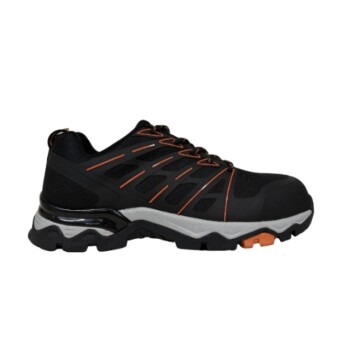
Integrating wearable sensors directly into standard Personal Protective Equipment (PPE) solves the critical challenge of user compliance. By embedding monitoring technology into mandatory gear like safety shoes and helmets, organizations ensure consistent data collection without relying on workers to remember or manage external devices. This approach transforms safety monitoring from a disruptive manual task into a seamless, automated background process.
The fundamental advantage of integrated PPE is the removal of "compliance friction." By merging sensors with the gear workers are already required to wear, safety management becomes continuous and non-intrusive, effectively eliminating the gaps caused by human error or inconvenience.
Solving the Human Factor in Safety
Overcoming Worker Inconvenience
External wearable devices often fail because they add friction to a worker's routine.
Employees may find clipping on badges or wearing wristbands intrusive or annoying. Integrated PPE removes this barrier entirely. The worker simply puts on their boots or helmet as usual, and the technology is deployed automatically.
Guaranteed Compliance
On modern construction sites and industrial floors, PPE is mandatory.
By linking sensors to these non-negotiable items, you align data collection with site access. If a worker is properly dressed for the job, they are automatically properly equipped for safety monitoring.
Streamlining Operational Workflows
Non-Intrusive Data Collection
Traditional safety checks can interrupt the flow of work.
Integrated sensors collect data continuously in the background. This allows workers to focus entirely on their tasks without distraction, maintaining productivity while safety data aggregates silently.
Seamless Integration into Daily Routines
New technology is often rejected if it requires a change in behavior.
Smart PPE requires zero behavioral change. Because the monitoring is invisible to the user, it blends perfectly into standard operational workflows, reducing resistance to adoption.
Enabling Intelligent Safety Management
Automating Safety Oversight
Manual safety audits provide only a snapshot of conditions.
Integrated sensors provide a continuous stream of data. This shift allows for the automation of safety management, moving from reactive checks to real-time, proactive monitoring.
Modernizing the Job Site
The construction and industrial sectors are moving toward "smart sites."
Integrating sensors into basic gear is a foundational step in this modernization. It creates a network of connected workers, enabling a holistic view of site safety and operational efficiency.
Understanding the Trade-offs
Equipment Lifecycle Mismatch
One potential downside is the difference in lifespan between the gear and the tech.
A safety boot might physically wear out before the sensor does, or conversely, the sensor technology might become obsolete while the helmet is still structurally sound. This can complicate replacement cycles and costs.
Higher Upfront Costs
Smart PPE inevitably commands a higher price point than standard gear.
While the long-term data benefits often justify the investment, the initial procurement costs are higher. Organizations must budget for this increased capital expenditure compared to traditional disposable or low-tech PPE.
Making the Right Choice for Your Goal
Adopting smart PPE is a strategic decision that depends on your specific safety challenges.
- If your primary focus is increasing compliance: Prioritize integrated PPE to eliminate the possibility of workers forgetting or refusing to wear separate monitoring devices.
- If your primary focus is workflow continuity: Choose integrated solutions to ensure safety monitoring occurs without interrupting daily operational tasks.
- If your primary focus is cost minimization: Be aware that while integrated PPE offers superior data, it requires a higher initial investment than external, reusable clips.
The most effective safety technology is the kind that works without the user having to think about it.
Summary Table:
| Category | Key Point | Impact |
|---|---|---|
| Benefits | Eliminates Compliance Friction | Ensures consistent, automated data collection |
| Streamlines Operational Workflows | Non-intrusive monitoring, maintains productivity | |
| Enables Intelligent Safety Management | Automates oversight, facilitates proactive measures | |
| Trade-offs | Equipment Lifecycle Mismatch | May complicate replacement cycles and costs |
| Higher Upfront Costs | Requires increased initial capital expenditure |
As a large-scale manufacturer serving distributors and brand owners, 3515 offers comprehensive production capabilities for all footwear types, anchored by our flagship Safety Shoes series. Explore how we can help you integrate advanced sensor technology into high-performance safety footwear and other PPE to enhance worker protection, compliance, and efficiency for your clients. Our extensive portfolio covers work and tactical boots, outdoor shoes, training shoes, and sneakers, as well as Dress & Formal shoes to meet diverse bulk requirements.
Ready to elevate your product offerings with smart PPE solutions? Contact us today to discuss your specific needs and leverage our expertise!
References
- Ran Gao, Chengdong Yi. Review of the Application of Wearable Devices in Construction Safety: A Bibliometric Analysis from 2005 to 2021. DOI: 10.3390/buildings12030344
This article is also based on technical information from 3515 Knowledge Base .
Related Products
- Premium Safety Shoes with Rotating Buckle Safety Sneakers
- Advanced KPU Athletic Safety Shoe with Steel Toe Cap Anti-Slip Rotary Lacing System
- Premium KPU Athletic Safety Shoes for Wholesale
- Premium KPU Injection Athletic Style Safety Shoes
- Customizable Slip-On Safety Shoes Direct from the Factory for Wholesale
People Also Ask
- How do I choose the best safety shoes? Match Certified Features to Your Hazards
- Why should ergonomics and comfort be prioritized when selecting safety shoes? Boost Compliance & Worker Health
- What are the technical advantages of integrating sensors into safety shoes? Achieve Superior Motion Capture Precision
- How do gait analysis algorithms ensure accuracy in footwear? Master Step Length Precision for Boots & Sneakers
- How do specialized safety shoes protect against battery maintenance injuries? Prevent Impact and Chemical Burns