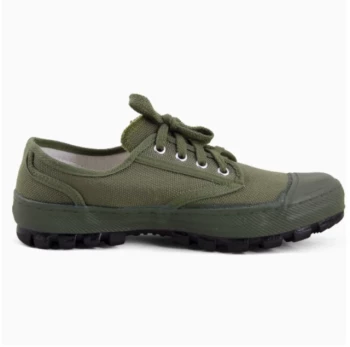
The friction generated by specialized tread patterns is the primary defense against injury in generator maintenance. During the operation and maintenance of generator sets (Gensets), floors frequently become treacherous due to fluid leaks. Industrial safety shoes utilize high-performance anti-slip designs to maintain traction, directly preventing the severe accidents associated with these slick mechanical environments.
Core Takeaway Generator maintenance environments are prone to fuel and lubricant spills that create unstable walking surfaces. High-performance anti-slip outsoles are essential to increase friction and neutralize this hazard, effectively preventing high-frequency risks such as fractures and sprains.
The Environmental Hazard
To understand the necessity of slip resistance, one must first recognize the specific conditions of a generator room.
The Prevalence of Fluid Leaks
Gensets rely on various fluids to function, specifically fuel and lubricants. During standard operation and routine maintenance, leaks, drips, or minor spills of these fluids are common occurrences.
The Creation of Slippery Surfaces
These fluids coat the facility floor, creating a layer that significantly reduces natural traction. Without intervention, the floor becomes a high-risk zone, turning simple movements into potential accidents.
How Anti-Slip Technology Protects
Industrial safety shoes are engineered to counteract the specific physics of a lubricated floor.
Increasing Friction
The fundamental mechanism of protection is the increase of friction between the shoe's outsole and the ground. This resistance is what allows a worker to apply force (walking or lifting) without their foot sliding out from under them.
High-Performance Tread Patterns
Safety shoes feature specialized tread patterns. These designs are not merely aesthetic; they are engineered to channel fluids away from the point of contact, ensuring the rubber of the sole connects directly with the floor rather than hydroplaning on the oil.
The Consequence of Failure
The value of slip resistance is best measured by the injuries it prevents.
Reducing High-Frequency Risks
In mechanical environments, slips and falls are not rare anomalies; they are high-frequency risks. The statistical likelihood of a fall increases dramatically when standard footwear is worn on oily surfaces.
Preventing Severe Trauma
The injuries resulting from these falls are rarely minor. Proper slip resistance is the key barrier against severe sprains and fractures caused by hard impacts with concrete floors or heavy machinery.
Understanding the Trade-offs
While high-quality safety shoes are critical, they are not a "cure-all" for safety management.
The Limits of Traction
Even the best anti-slip shoes have limitations. If a floor is covered in a deep pool of lubricant, the shoe may still lose grip; housekeeping is still required to clean large spills.
Degradation of Treads
Friction relies on the depth and sharpness of the tread pattern. Over time, these patterns wear down, and a shoe that was safe six months ago may become hazardous if the outsole is smooth.
Ensuring Safety in Your Facility
Implementing the right footwear strategy requires balancing equipment selection with maintenance.
- If your primary focus is procurement: Prioritize footwear with outsoles specifically designed for oily environments, featuring deep, high-performance tread patterns.
- If your primary focus is risk management: Mandate regular inspections of worker footwear to ensure the tread has not worn down to an unsafe level.
The right footwear transforms a slippery Genset room from a liability into a manageable, secure workspace.
Summary Table:
| Feature | Protection Mechanism | Worker Benefit |
|---|---|---|
| High-Performance Tread | Channels fluids away to prevent hydroplaning | Stable footing on fuel or lubricant spills |
| Increased Friction | Maximizes contact between outsole and floor | Prevents accidental falls during heavy lifting |
| Durable Outsoles | Resists degradation from chemical exposure | Long-term slip resistance in harsh environments |
| Safety Standards | Engineered for high-frequency industrial risks | Reduced liability and workplace injury rates |
Partner with 3515 for Professional-Grade Safety Footwear Solutions
As a large-scale manufacturer serving distributors and brand owners, 3515 offers comprehensive production capabilities for all footwear types, anchored by our flagship Safety Shoes series. Whether you are looking to secure a fleet of workers in high-risk Genset environments or expand your brand's portfolio, our extensive selection of work and tactical boots, outdoor shoes, training shoes, and dress & formal shoes is designed to meet diverse bulk requirements.
Why choose 3515?
- Proven Durability: Engineered to withstand oil, fuel, and heavy-duty industrial wear.
- Versatile Portfolio: From rugged tactical boots to professional dress shoes.
- Global Distribution Support: Scalable manufacturing tailored for brand owners.
Protect your workforce and enhance your product line with the industry's most reliable traction technology. Contact us today to discuss your bulk requirements and custom manufacturing needs!
References
- M. Jainul Amri Lubis, Andika Bayu Hasta Yanto. Analisis Resiko Kecelakaan Kerja Menggunakan Metode HIRARC Pada PT. Telkom Indonesia Jakarta Utara. DOI: 10.31294/imtechno.v5i1.2414
This article is also based on technical information from 3515 Knowledge Base .
Related Products
- Advanced KPU Athletic Safety Shoe with Steel Toe Cap Anti-Slip Rotary Lacing System
- Wholesale Anti-Smash & Puncture-Proof Safety Shoes Custom Manufacturing for Brands
- Durable Leather Moc Toe Work Boots for Wholesale & Custom Manufacturing
- Heavy-Duty Waterproof Nubuck Safety Boots Safety Shoes for Bulk Supply
- Premium Suede Sport Safety Shoes for Wholesale & Bulk Orders
People Also Ask
- What are the key differences between steel toe and composite toe caps? Choose the Right Safety for Your Job
- What impact do steel toe caps have on toe skin health? Prevent Friction and Pressure in Your Safety Shoes
- What are the primary protective functions of safety shoes with steel toes in the automotive repair industry?
- What type of safety shoe is recommended for workers exposed to heavy machinery? Steel Toe Boots for Ultimate Protection
- How does defining specific friction interface models in FEA assist in predicting safety shoe toe cap failure modes?