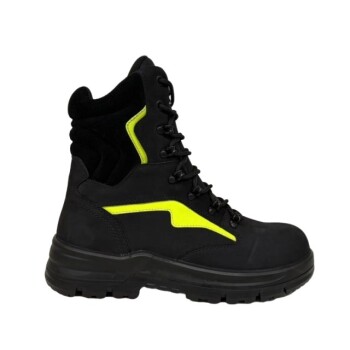
The selection of high-performance materials is the deciding factor in both the structural longevity and the clinical effectiveness of protective footwear. These advanced materials provide the necessary mechanical stability to resist deformation, ensuring that critical functions like decompression remain constant, while simultaneously offering the comfort features required to ensure the user actually keeps the footwear on.
The effectiveness of protective footwear relies on a synergy between physical durability and user comfort. High-quality materials ensure the shoe maintains its protective shape over time, while superior breathability and shock absorption drive patient compliance, ensuring the protection is actually utilized.
Mechanical Integrity and Long-Term Protection
The primary function of protective footwear is to shield the foot and maintain specific biomechanical positions. High-performance materials are selected specifically to uphold these standards under stress.
Stability of Decompression Effects
Standard materials often compress or warp after repeated use, losing their protective value. High-performance materials resist this wear and deformation. This rigidity ensures that therapeutic "decompression effects" (offloading pressure from specific areas) remain stable and effective throughout the shoe's lifespan.
Critical Load-Bearing Strength
For demanding environments, materials like Nylon (Polyamide) are utilized for their exceptional toughness. Nylon provides high mechanical strength, making it ideal for critical load-bearing components in tactical boots or training shoes that face complex physical challenges.
Resistance to Environmental Stress
Superior materials offer enhanced chemical resistance and durability. Whether facing industrial chemicals or general environmental wear, materials like Nylon are chosen to maintain structural integrity where lesser materials, such as basic PVC or rubber, might degrade.
The Role of Comfort in Compliance
Even the most mechanically sound protective shoe is useless if the user refuses to wear it. Material selection plays a massive role in "biocompatibility"—how the shoe interacts with the human body.
Enhancing Breathability
High-performance materials are engineered for superior breathability. By managing heat and moisture, these materials prevent skin irritation and discomfort, which significantly reduces patient resistance to wearing specialized footwear.
Shock Absorption and Fatigue Reduction
Advanced materials provide better shock absorption than standard compounds. This creates a smoother interface between the foot and the ground, reducing fatigue and extending the duration the footwear can be worn comfortably.
Biocompatibility
Materials selected for protective gear must be biocompatible. This ensures that prolonged contact with the skin does not cause adverse reactions, which is critical for medical or therapeutic footwear intended for long-term use.
Understanding the Trade-offs
While high-performance materials offer superior protection, they introduce specific complexities regarding manufacturing and material behavior.
Adhesion Challenges
Some high-strength materials have unique surface properties that complicate construction. For example, Nylon is hygroscopic (it absorbs moisture). While this can be beneficial, it often requires specific surface treatments to ensure proper adhesion to natural fibers or other shoe components.
Balancing Stiffness and Flexibility
There is often a trade-off between absolute protection and mobility. Materials chosen for maximum load-bearing (like rigid Nylon components) must be carefully balanced with flexible, shock-absorbing materials to avoid creating a shoe that is protective but too stiff for natural movement.
Making the Right Choice for Your Goal
Selecting the right footwear depends on whether your priority is therapeutic recovery or rugged environmental protection.
- If your primary focus is Medical/Therapeutic compliance: Prioritize materials that offer high breathability and shock absorption, as comfort is the main driver for consistent use and effective decompression.
- If your primary focus is Tactical or Industrial durability: Look for footwear utilizing Nylon (Polyamide) components, which offer the mechanical toughness and chemical resistance needed for complex, high-load environments.
The most effective protective footwear is not just the strongest, but the one that balances mechanical resilience with the comfort required for consistent wear.
Summary Table:
| Feature | High-Performance Materials | Impact on Protective Effectiveness |
|---|---|---|
| Structural Integrity | Resists deformation and warping | Ensures stable decompression and consistent offloading. |
| Mechanical Strength | High-load bearing (e.g., Nylon) | Ideal for tactical and heavy-duty industrial environments. |
| Breathability | Advanced moisture/heat management | Increases user compliance by preventing skin irritation. |
| Shock Absorption | High-energy attenuation compounds | Reduces fatigue and enables longer duration of wear. |
| Chemical Resistance | Durable synthetic polymers | Protects against environmental degradation and chemicals. |
Partner with 3515 for High-Performance Footwear Solutions
As a large-scale manufacturer serving global distributors and brand owners, 3515 leverages advanced material science to deliver footwear that balances mechanical resilience with ultimate comfort. Our comprehensive production capabilities allow us to utilize high-performance components like Nylon and biocompatible polymers across our entire range, ensuring your customers receive the highest standard of protection.
Our Value to You:
- Flagship Safety Series: Robust protection engineered for industrial and medical requirements.
- Diverse Portfolio: From tactical boots and training shoes to sneakers and formal dress shoes.
- Bulk Expertise: Scalable manufacturing tailored to brand owners and large-scale distributors.
Elevate your product line with footwear that guarantees durability and compliance. Contact us today to discuss your bulk requirements!
References
- Yiru Wang, Wen Qin. Perceptions of protective shoes and recommendations from patients with diabetic foot ulcers. DOI: 10.35772/ghm.2023.01029
This article is also based on technical information from 3515 Knowledge Base .
Related Products
- Premium Suede Sport Safety Shoes for Wholesale & Bulk Orders
- Premium Lightweight Safety Shoes for Wholesale & Bulk Orders
- Premium Waterproof Nubuck Safety Boots for Wholesale
- Wholesale Customizable Safety Boots Durable & Protective Footwear Manufacturing
- Wholesale Anti-Smash & Puncture-Proof Safety Shoes Custom Manufacturing for Brands
People Also Ask
- What are the primary functions of professional safety shoes? Maximize Safety in Water Supply Confined Spaces
- What industries have specific OSHA footwear requirements? Ensure Compliance & Protect Your Workforce
- What role do specialized safety shoes play in preventing falls? Engineering Stability in Industrial Environments
- What are the technical advantages of integrating sensors into safety shoes? Achieve Superior Motion Capture Precision
- Why wear protective masks, gloves, and safety shoes in 5S Shine? Elevate Safety and Discipline