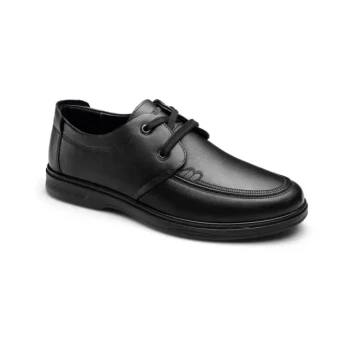
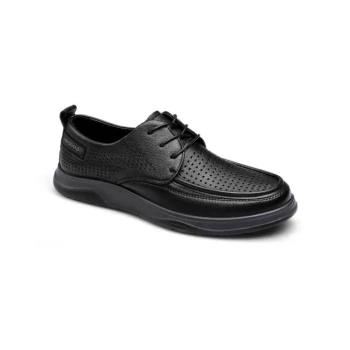
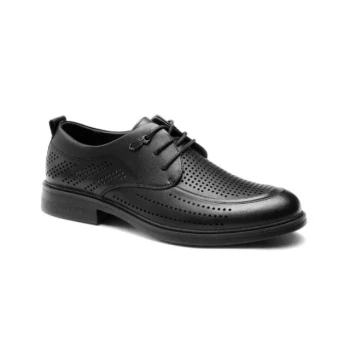
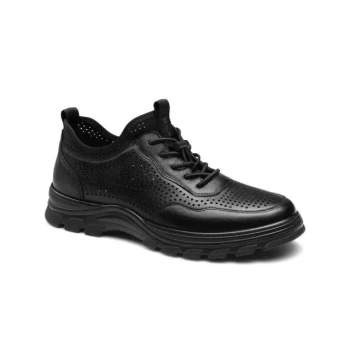
The dense fiber structure of goat leather creates a unique combination of tensile strength and adaptive flexibility. This specific arrangement allows boot manufacturers to produce footwear that resists cracking and water penetration while conforming precisely to the wearer's foot shape over time.
For enterprise-level boot production, goat leather represents a high-performance material that balances extreme durability with a sophisticated fit, ensuring a product that maintains its structural integrity and comfort throughout its lifecycle.
The Engineering of Fiber Density and Durability
The Impact of Tightly Interlocked Fibers
Goat leather is distinguished by its remarkably dense fiber network, which provides superior resistance to abrasion and tearing. These fibers are more tightly packed than those found in bovine hides, creating a natural barrier that prevents the leather from cracking under repeated stress.
Enhancing Waterproof Integrity
The proximity of these fibers inherently improves the material's resistance to moisture. In high-volume boot manufacturing, this structural density ensures that waterproof treatments are more effective, providing a reliable barrier for outdoor and performance footwear.
Longevity and Surface Resilience
Because the fibers are so compact, the grain of goat leather remains resilient even in high-wear areas like the flex point of a boot. This translates to fewer returns and higher consumer satisfaction for distributors and brand owners managing large-scale retail footprints.
Precision Fit and Adaptive Comfort
The Mechanics of Controlled Stretch
One of the most valuable traits of goat leather is its ability to stretch without losing its shape. The fiber structure allows the leather to expand slightly to accommodate the foot's contours, providing a snug, "custom" feel that avoids the constrictive stiffness of heavier leathers.
Breathability Through High Pore Density
The leather features a high density of natural pores, which facilitates superior air circulation and moisture wicking. This breathability is essential for maintaining a cool internal environment, making it a preferred choice for premium OEM/ODM projects targeting the luxury and performance sectors.
Progressive Softening Over Time
Unlike some materials that degrade with use, goat leather tends to soften and become more supple with regular wear. This "break-in" quality ensures that the boot's fit actually improves as the consumer uses it, reinforcing brand loyalty through long-term comfort.
Manufacturing Advantages for Enterprise Scale
Consistent Quality for Large-Volume Delivery
Leveraging a supply chain with heritage dating back to 1951 ensures that leather sourcing remains consistent across massive production runs. This stability is critical for wholesalers who require uniform fiber density and color matching across thousands of units.
Superior Dye Absorption for Versatile Styling
The fiber structure of goat leather accepts dyes exceptionally well, allowing for deep, vibrant color saturation. This versatility enables manufacturers to offer a wide range of aesthetic options—from rugged outdoor boots to polished urban footwear—without compromising the leather's physical properties.
Optimized for State-of-the-Art Equipment
Modern, large-scale production facilities utilize automated cutting and stitching equipment that requires consistent material thickness. Goat leather’s uniform fiber distribution reduces waste during the manufacturing process, making it a cost-effective choice for premium-tier production.
Understanding the Trade-offs
Initial Rigidity vs. Long-term Suppleness
While goat leather is flexible, it may lack the immediate, "buttery" softness of ostrich or lambskin right out of the box. Users should be educated that the material requires a brief break-in period to reach its peak comfort levels.
Maintenance Requirements for Dense Grains
Because the leather is highly breathable and porous, it can be susceptible to drying out if not properly conditioned. For distributors, this means ensuring that end-users are informed about proper care to maintain the leather’s natural flexibility and prevent premature aging.
Cost-to-Performance Ratio
Goat leather sits at a higher price point than standard cowhide due to its specialized performance characteristics. Brand owners must weigh the increased production cost against the significant marketing advantages of durability, fit, and premium positioning.
Making the Right Choice for Your Project
Selecting Materials Based on Market Demand
Choosing the right leather is a strategic decision that impacts both production efficiency and market reception.
- If your primary focus is extreme durability in rugged environments: Utilize goat leather for its dense fiber structure and natural resistance to cracking and water.
- If your primary focus is premium comfort and fit: Leverage the material's adaptive stretch and high breathability to create a superior user experience.
- If your primary focus is supply chain stability for large-scale OEM: Partner with a manufacturer with deep heritage and advanced equipment to ensure consistent quality across high volumes.
By integrating the unique structural benefits of goat leather into your product line, you deliver a boot that exemplifies both technical excellence and enduring value.
Summary Table:
| Feature | Physical Benefit | Manufacturing Advantage |
|---|---|---|
| Dense Fiber Network | High tensile strength & tear resistance | Reduced product returns & defects |
| Controlled Stretch | Conforms to foot without losing shape | Premium "custom" fit for end-users |
| High Pore Density | Superior breathability & cooling | High-performance/Luxury positioning |
| Uniform Grain | Consistent dye & moisture resistance | Stable quality across bulk orders |
| Natural Suppleness | Progressive softening with use | Long-term comfort & brand loyalty |
Elevate Your Product Line with 3515 Manufacturing Excellence
As a large-scale manufacturer serving distributors and brand owners since 1951, 3515 offers the massive production scale and technical expertise required to transform premium goat leather into market-leading footwear. Our state-of-the-art equipment and robust supply chain ensure consistent, large-volume delivery and high profit margins for our partners.
From our flagship Safety Shoes series to tactical boots, outdoor footwear, sneakers, and formal dress shoes, we provide comprehensive OEM/ODM capabilities backed by international certifications.
Ready to scale your production with a heritage-rich partner?
Contact our expert team today to discuss your bulk requirements.
Related Products
- Durable Goodyear Welt Leather Work Boots for Wholesale & Private Label
- Durable Leather Tactical Boots Wholesale & Custom Manufacturing for Brands
- Durable Leather High-Ankle Tactical Boots for Wholesale & Custom Manufacturing
- Durable Leather Work Boots for Wholesale & Custom Manufacturing
- Durable Leather Work Boots Wholesale Manufacturer & Custom Factory
People Also Ask
- What is the difference between full-grain and top-grain leather? Premium Material Guide for Boot Manufacturers
- What are the advantages of leather as an upper material for work boots? Unmatched Durability & Custom Comfort
- Why is it important to waterproof leather work boots? Protect Your Investment and Performance
- How should new leather work boots be broken in? A Guide to Comfort and Durability
- What are the advantages of leather uppers in work boots? Unmatched Durability & Protection