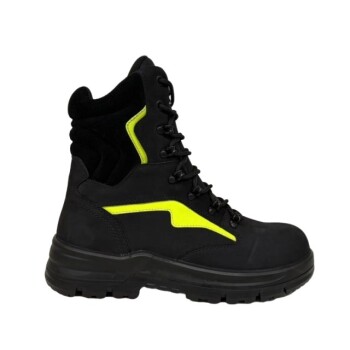
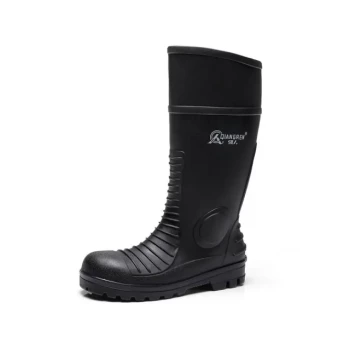
Specialized protective footwear safeguards workers by functioning as both a shield against acute injury and a stabilizer for long-term health. At the surface level, reinforced toe caps and high-traction outsoles directly prevent crushing injuries and slips while maneuvering heavy iron shoes (wheel chocks). However, equally important is the footwear's role in creating a stable dynamic platform, which optimizes posture and significantly reduces strain on the lower back during manual handling.
Core Takeaway: While the immediate purpose of this footwear is to deflect impact from dropped iron shoes, its deeper technical value lies in biomechanical stabilization. By securing the body's center of gravity on uneven tracks, specialized footwear minimizes compensatory lumbar movements, thereby reducing the risk of chronic musculoskeletal disease.
Immediate Physical Protection
The most visible risks in railway operations involve direct physical trauma. Specialized footwear addresses these high-intensity hazards through specific structural components.
Preventing Impact Injuries
The primary function of this footwear is to protect the foot from falling objects. Reinforced toe protection is critical when handling heavy railway iron shoes. This feature absorbs and deflects the force of heavy chocks, preventing fractures and crushing injuries during loading and unloading processes.
Navigating Hazardous Terrain
Railway tracks present a notoriously difficult working environment. Surfaces are often slippery, uneven, or unstable. Durable, high-traction outsoles are engineered to grip these surfaces, preventing slips and minimizing the risk of ankle sprains while the worker is under load.
Ergonomic and Biomechanical Support
Beyond safeguarding the foot itself, professional footwear acts as a critical intervention for total body mechanics. This is essential when workers are carrying loads exceeding 5kg.
Creating a Stable Platform
Manual handling on tracks often compromises a worker's balance. Professional footwear provides a stable dynamic support platform for the wearer. This stability is necessary to manage the shifting center of gravity that occurs when lifting and carrying heavy materials.
Reducing Lumbar Strain
When footing is unstable, the body forces the lower back to compensate, leading to injury. By optimizing weight distribution, these shoes reduce the need for compensatory lumbar movements. This technical intervention helps lower the risk of chronic lumbar diseases often associated with long-term manual labor.
Understanding the Limitations
While specialized footwear is a vital safety component, it is not a standalone solution for manual handling risks.
The Limits of Mechanical Support
Footwear improves stability, but it does not reduce the actual weight of the iron shoe. Workers must still adhere to proper lifting protocols to avoid strain. Reliance on footwear alone without proper body mechanics can still lead to fatigue and injury over time.
Making the Right Choice for Your Goal
Selecting the appropriate protective gear requires balancing immediate safety needs with long-term health preservation.
- If your primary focus is Acute Injury Prevention: Prioritize footwear with certified reinforced toe caps and aggressive tread patterns to handle the immediate risks of dropped loads and slips.
- If your primary focus is Long-Term Worker Health: Ensure the footwear offers a rigid, supportive sole structure that stabilizes the center of gravity to minimize chronic back strain.
By integrating impact protection with ergonomic stability, you transform footwear from a simple accessory into a fundamental tool for operational safety.
Summary Table:
| Protection Category | Key Feature | Safety Benefit |
|---|---|---|
| Impact Protection | Reinforced Toe Caps | Prevents fractures/crushing from dropped iron shoes |
| Traction & Grip | High-Traction Outsoles | Minimizes slips and ankle sprains on uneven tracks |
| Ergonomic Support | Stable Dynamic Platform | Secures center of gravity and optimizes posture |
| Health Preservation | Lumbar Support Design | Reduces compensatory movements and chronic back strain |
Partner with 3515 for Industry-Leading Protective Solutions
As a large-scale manufacturer serving distributors and brand owners, 3515 offers comprehensive production capabilities for all footwear types, anchored by our flagship Safety Shoes series. Our extensive portfolio covers work and tactical boots, outdoor shoes, training shoes, and sneakers, as well as Dress & Formal shoes to meet diverse bulk requirements.
We understand that in high-stakes environments like railway operations, the right footwear is a critical tool for both immediate safety and long-term health. Whether you are looking to source impact-resistant safety boots or specialized ergonomic footwear, our team is ready to deliver high-quality, scalable solutions tailored to your brand’s needs.
Ready to elevate your product line? Contact us today to discuss your bulk manufacturing requirements and discover the 3515 advantage!
References
- Huafeng Zhang, Mingyuan Ma. Grid-Based Employee Safety Behavior Risk Assessment of the Train Operation Department. DOI: 10.3390/pr10050913
This article is also based on technical information from 3515 Knowledge Base .
Related Products
- Premium Suede Sport Safety Shoes for Wholesale & Bulk Orders
- Premium Lightweight Safety Shoes for Wholesale & Bulk Orders
- Premium Waterproof Nubuck Safety Boots for Wholesale
- Wholesale Customizable Safety Boots Durable & Protective Footwear Manufacturing
- Wholesale Anti-Smash & Puncture-Proof Safety Shoes Custom Manufacturing for Brands
People Also Ask
- What are the primary functions of professional safety shoes? Maximize Safety in Water Supply Confined Spaces
- What industries have specific OSHA footwear requirements? Ensure Compliance & Protect Your Workforce
- What role do specialized safety shoes play in preventing falls? Engineering Stability in Industrial Environments
- Why should ergonomics and comfort be prioritized when selecting safety shoes? Boost Compliance & Worker Health
- What happens during the cutting stage of safety shoes manufacturing? Precision, Process & Quality