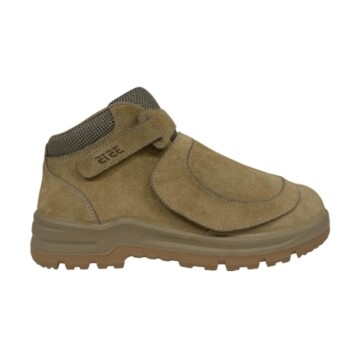
Professional safety footwear functions as a critical component of safety infrastructure during the transition to semi-mechanized mining operations. As sites introduce heavy equipment like mechanical winches and hammer crushers, durable work boots provide the structural integrity required to withstand increased mechanical stresses and prevent both acute accidents and long-term occupational health issues.
Core Takeaway: The shift to semi-mechanization introduces high-force risks that standard footwear cannot withstand. Professional safety shoes serve as a fundamental shield against these industrial hazards, protecting workers from immediate mechanical trauma while ensuring stability on complex terrains to prevent chronic injury.
The Shift to Semi-Mechanized Environments
Adapting to Industrialized Stress
When mining operations evolve from manual to semi-mechanized processes, the physical environment changes drastically. The introduction of machinery increases the mechanical stress placed on the worker's body.
Professional footwear acts as a buffer against this industrialized workspace. It provides the structural support necessary to navigate an environment where forces are greater and margins for error are smaller.
Mitigating Acute Mechanical Hazards
The primary role of this footwear is preventing immediate, high-impact injuries. In a semi-mechanized setting, the risk of crushing injuries from equipment or falling debris is significantly higher.
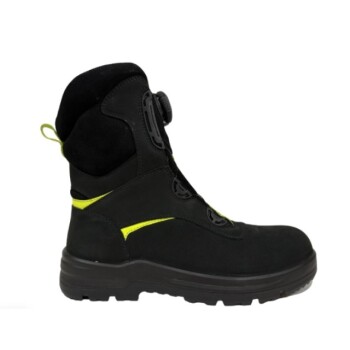
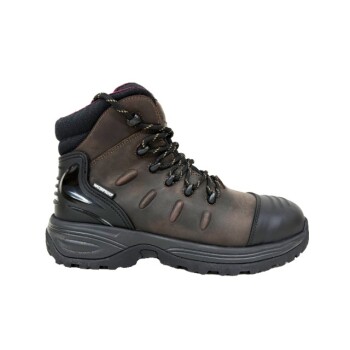
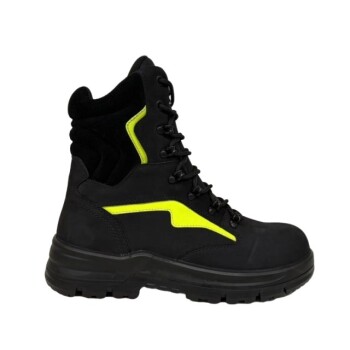
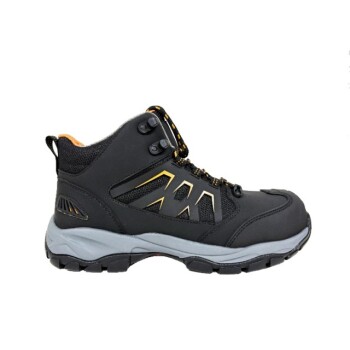
To counter this, professional shoes integrate high-strength protective toe caps made of steel or composite materials. Additionally, puncture-resistant midsoles offer a critical defense against sharp debris often generated by crushers.
Long-Term Health and Stability
Preventing Chronic Occupational Injury
Beyond immediate accidents, professional footwear addresses long-term health preservation. The physical strain of operating on uneven mining terrains can lead to chronic musculoskeletal issues over time.
Durable safety boots provide essential stability. By securing the foot and ankle, they reduce the wear and tear on the worker's body, helping to prevent the accumulation of long-term occupational injuries.
Navigating Complex Terrains
Mining surfaces are frequently wet, uneven, or geologically unstable. Efficient movement in these conditions is fundamental to maintaining operational safety.
Slip-resistant outsole designs are engineered specifically for these complex terrains. They provide the traction required to prevent trips and falls, which are among the most common hazards in artisanal and small-scale mining environments.
Understanding the Trade-offs
The Limits of PPE
While professional footwear is vital, it is important to recognize it as a last line of defense. It mitigates the severity of an injury but does not eliminate the hazard itself.
The Weight Factor
Heavy-duty boots with steel components provide maximum protection but can increase fatigue over long shifts. It is crucial to balance the level of impact resistance with the weight of the boot to ensure workers remain agile and alert.
Making the Right Choice for Your Operations
When selecting safety footwear for a semi-mechanized transition, align the specifications with your specific operational risks:
- If your primary focus is heavy machinery interaction: Prioritize footwear with high-impact rated toe caps and metatarsal guards to prevent crush injuries.
- If your primary focus is rough terrain stability: Prioritize boots with aggressive, slip-resistant outsole patterns and strong ankle support to prevent falls.
- If your primary focus is sharp debris protection: Prioritize puncture-resistant midsoles to shield against metal shards and rock fragments.
View professional safety footwear not merely as a uniform requirement, but as an indispensable piece of your site’s safety infrastructure.
Summary Table:
| Feature | Protection Benefit | Ideal Use Case |
|---|---|---|
| High-Strength Toe Caps | Prevents crushing injuries from heavy machinery | Mechanical winch and crusher operation |
| Puncture-Resistant Midsoles | Shields against sharp metal shards and rock fragments | Working with crushed ore and debris |
| Slip-Resistant Outsoles | Provides traction on wet, uneven, or unstable terrain | General navigation of mining sites |
| Ankle & Arch Support | Reduces chronic musculoskeletal fatigue | Long shifts on complex geological surfaces |
Partner with 3515 for Robust Industrial Safety Solutions
Transitioning to semi-mechanized mining requires infrastructure that can withstand intensified industrial stress. As a premier large-scale manufacturer, 3515 specializes in providing distributors and brand owners with high-performance footwear engineered for the most demanding environments.
Our flagship Safety Shoes series is built to exceed impact and puncture resistance standards, ensuring your workforce remains protected against acute trauma and long-term occupational strain. Beyond mining-ready boots, our comprehensive production capabilities include:
- Tactical & Work Boots for rugged durability.
- Outdoor & Training Shoes for agility and support.
- Dress & Formal Shoes for professional uniform requirements.
Equip your operations with the reliability of 3515. Contact us today to discuss bulk requirements and custom manufacturing solutions tailored to your market's needs.
References
- Josephine Singo, Antony Mamuse. Health and Safety Risk Mitigation among Artisanal and Small-Scale Gold Miners in Zimbabwe. DOI: 10.3390/ijerph192114352
This article is also based on technical information from 3515 Knowledge Base .
Related Products
- Puncture-Resistant Velcro Safety Boots for Wholesale & Custom Manufacturing
- Wholesale Durable Safety Boots | Custom Steel Toe & Puncture-Resistant Manufacturing
- Premium Grain Leather Safety Boots for Bulk Supply
- Heavy-Duty Waterproof Nubuck Safety Boots Safety Shoes for Bulk Supply
- Premium High-Cut Waterproof Safety Boots Manufacturing & Wholesale Solutions
People Also Ask
- Why are industrial safety boots with steel toes necessary for machine operators? Essential Foot Protection for Safety
- What are the characteristics of steel toe safety boots? Maximum Protection, Key Trade-offs
- Is it true that steel toes can cause toes to get cut off? Debunking the Dangerous Myth
- What are the primary safety functions of safety boots with steel-toe designs? Essential Protection for Industry
- What are the different types of safety toe boots available? Choose the Right Protection for Your Job