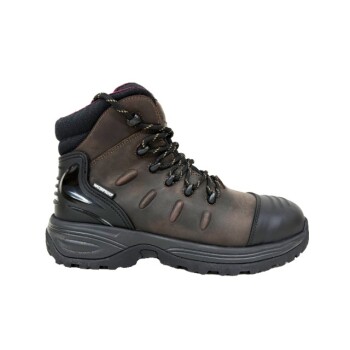
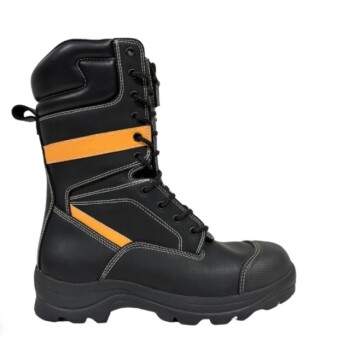
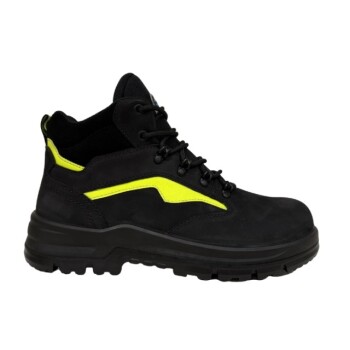
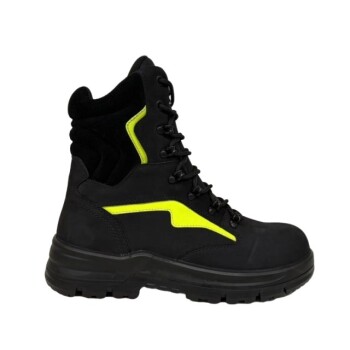
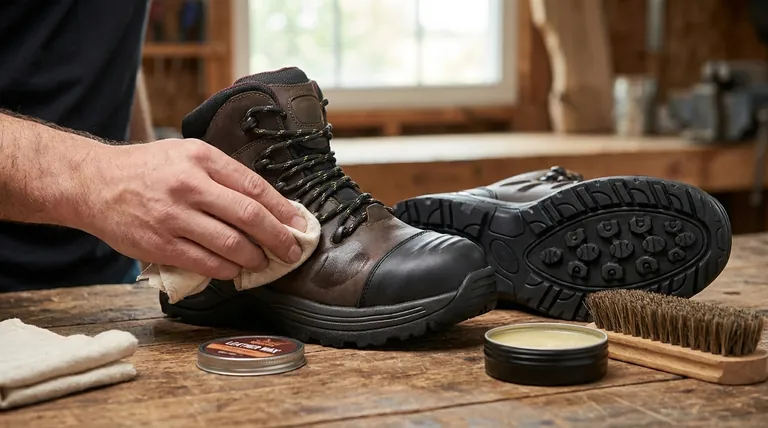
To apply waterproof wax to leather boots, you must first ensure they are completely clean and dry. Using a clean rag, scoop a small amount of wax and massage it into the leather using a firm, circular motion, making sure to cover all surfaces, creases, and seams before letting the boots dry naturally.
The key to effectively waterproofing leather is understanding that application is just one step in a complete maintenance process. Proper preparation before waxing and correct drying afterward are just as critical for achieving a durable, protective seal that also preserves the leather.
Why Wax is a Superior Choice for Leather
Waterproofing your boots is about more than just keeping water out; it's about preserving the leather itself. While many products exist, wax offers a unique combination of benefits.
The Dual Action of Wax
Wax creates a robust physical barrier on the surface of the leather, blocking moisture from penetrating the material.
Unlike synthetic sprays, natural waxes also condition and soften the leather. This prevents the material from becoming stiff, brittle, and prone to cracking over time, significantly extending the life of your boots.
How It Compares to Sprays and Oils
Spray-on treatments offer quick convenience but provide a less durable finish that requires frequent reapplication. They form a thin layer on top of the leather but offer minimal conditioning.
Oils like mink or neatsfoot are excellent conditioners that penetrate deeply. However, they can darken the leather and may require more frequent application than a heavy-duty wax to maintain peak waterproof performance.
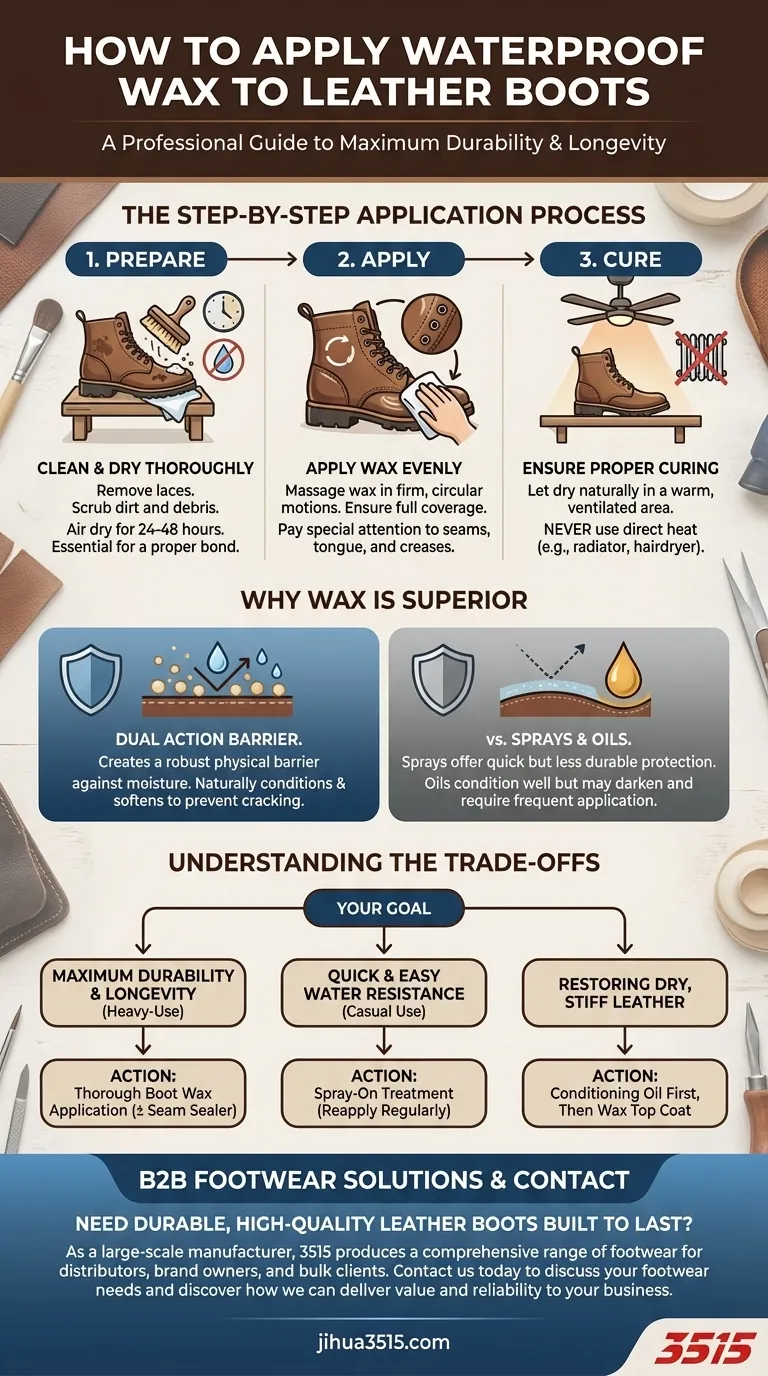
The Step-by-Step Application Process
A successful application hinges on a methodical approach. Skipping steps, especially preparation, will compromise the effectiveness and longevity of the treatment.
Step 1: Prepare Your Boots
Your boots must be perfectly clean and completely dry. Any dirt or moisture trapped under the wax will degrade the leather and prevent the wax from bonding properly.
Remove laces and use a brush to scrub away all mud and debris. If you use water or a leather cleaner, allow the boots to air dry for at least 24-48 hours.
Step 2: Apply the Wax Evenly
Using a clean, lint-free cloth, apply the wax in small, circular motions. Work the wax into one section at a time, ensuring full coverage before moving on.
Pay special attention to vulnerable areas like the seams, tongue, and around the eyelets, as these are common points for water to enter. Don't be afraid to apply a slightly thicker coat in these high-stress areas.
Step 3: Ensure Proper Curing
Once the boots are fully coated, let them dry in a warm, well-ventilated area. Never use a direct heat source like a radiator, fireplace, or hairdryer, as this can crack the leather and damage the adhesives.
A fan can be used to improve air circulation and speed up the drying process, which may take several hours. The boots should not feel tacky to the touch when fully cured.
Understanding the Trade-offs
Choosing the right product depends on your material, your needs, and how much time you're willing to invest.
Boot Wax: Maximum Protection
Wax offers the most durable waterproof finish and excellent conditioning. It's the best choice for heavy-use work or hiking boots made of smooth leather. The trade-off is that it requires more time and effort to apply correctly.
Seam Sealer: Reinforcing Weak Points
For boots with prominent stitching, especially older pairs, applying a dedicated seam sealer before you wax is a smart move. This provides an extra layer of defense at the weakest points of the boot's construction.
The Risk of Over-Saturation
When using oils, be careful to apply thin, even coats. Over-saturating the leather can cause the fibers to swell and split, leading to permanent damage and staining. Wax is more forgiving in this regard.
Making the Right Choice for Your Boots
Your goal determines the best method. Use this guide to decide on the proper course of action for your footwear.
- If your primary focus is maximum durability and longevity for heavy-use boots: A thorough application of boot wax, preceded by seam sealer if necessary, is the definitive choice.
- If your primary focus is quick and easy water resistance for casual use: A spray-on treatment is a viable option, but be prepared to reapply it regularly.
- If your primary focus is restoring dry, stiff leather: Begin with a conditioning oil to nourish the material, let it absorb fully, and then apply a top coat of wax to lock in moisture and add protection.
Ultimately, consistent care is the secret to keeping your leather boots waterproof, comfortable, and ready for years of service.
Summary Table:
| Step | Key Action | Why It's Important |
|---|---|---|
| 1. Prepare | Clean boots thoroughly; ensure they are completely dry. | Dirt or moisture trapped under wax will damage leather and prevent a proper bond. |
| 2. Apply | Use a cloth to massage wax in firm, circular motions, covering all surfaces and seams. | Ensures even coverage and protection for high-stress areas where water enters. |
| 3. Cure | Let boots dry naturally in a warm, ventilated area; avoid direct heat. | Allows the wax to set correctly without cracking the leather or damaging adhesives. |
Need durable, high-quality leather boots built to last? As a large-scale manufacturer, 3515 produces a comprehensive range of footwear for distributors, brand owners, and bulk clients. Our production capabilities encompass all types of durable shoes and boots, perfect for applying these protective techniques. Contact us today to discuss your footwear needs and discover how we can deliver value and reliability to your business.
Visual Guide
Related Products
- Premium Oil Wax Leather Safety Boots for Bulk Purchase
- Premium Flame-Retardant Waterproof Safety Boots and Shoes
- Wholesale Waterproof Tactical Boots Custom Suede & High-Traction Soles
- Premium Wholesale Waterproof Safety Boots High Performance Protection for Industrial Markets
- Premium Waterproof High-Cut Industrial Safety Boots for Wholesale and Bulk Orders
People Also Ask
- What materials are commonly used for outsoles in safety boots? A Guide to Durability, Grip, and Comfort
- How do safety boots reduce cutting hazards? Essential Protection for Your Workforce
- What are the common types of safety boots and their primary uses? A Guide to Industrial Footwear
- Which organizations develop safety standards for work boots? Ensure Compliance & Worker Safety
- What primary protective functions do professional safety boots provide in urban solid waste recovery and waste picking processes? Discover Dual-Layer Protection.