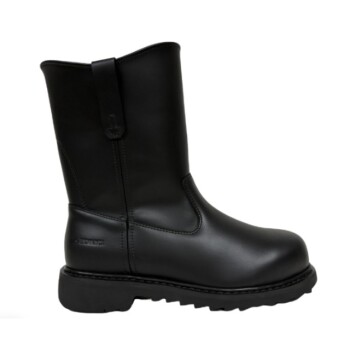
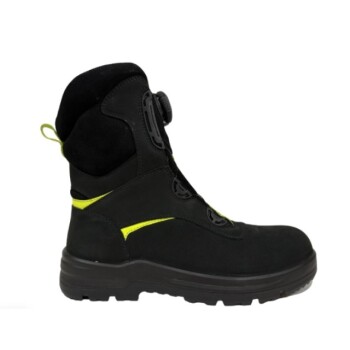
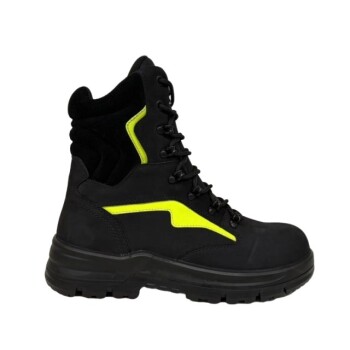
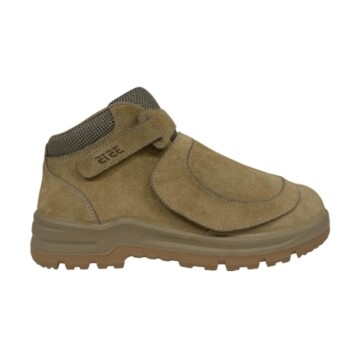
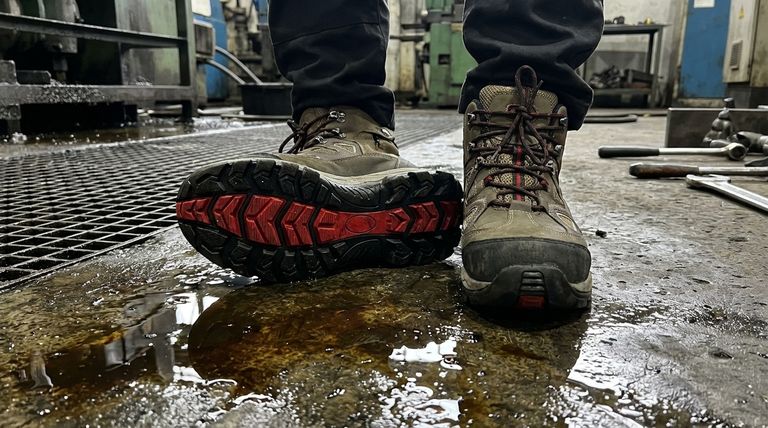
In short, Thermoplastic Polyurethane (TPU) soles perform exceptionally well in oil-resistant safety boots. Their molecular structure provides inherent resistance to oils, chemicals, and abrasions while offering a high degree of flexibility and durability. This makes TPU a premier material for work environments where exposure to hydrocarbons is a constant concern.
The critical takeaway is that while TPU offers a superior combination of oil resistance and durable flexibility, it is not the only option. The best choice always depends on balancing these strengths against other needs, such as raw slip resistance or lightweight comfort, which are hallmarks of materials like rubber or EVA.
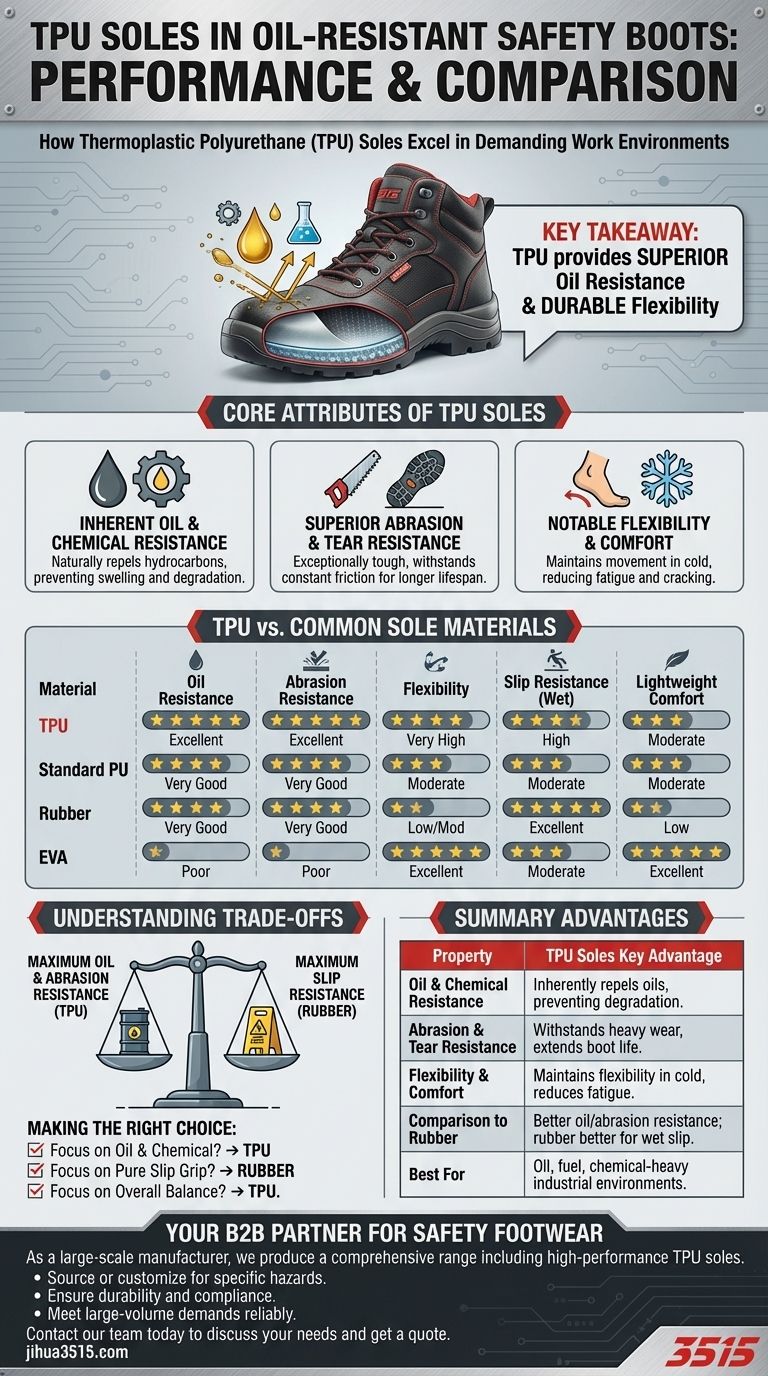
The Core Attributes of TPU Soles
To understand why TPU is so effective, we must look at its specific material properties. It is not just one feature but a combination of characteristics that makes it a top-tier choice for safety footwear.
Inherent Oil and Chemical Resistance
TPU is a polymer that naturally repels oil, grease, and various industrial chemicals. This resistance prevents the sole from swelling, degrading, or losing its structural integrity after repeated exposure, a common failure point for lesser materials.
Superior Abrasion and Tear Resistance
Safety boot soles are subjected to constant friction and stress. TPU is exceptionally tough and resistant to cuts, tears, and general wear, leading to a significantly longer lifespan compared to many other sole materials.
Notable Flexibility and Comfort
Unlike some rigid materials, TPU maintains excellent flexibility, even in colder temperatures. This allows the foot to move more naturally, reducing fatigue over long work shifts and preventing the sole from cracking under stress.
How TPU Compares to Other Sole Materials
While TPU is a leading performer, understanding its position relative to other common materials is key to making a fully informed decision.
TPU vs. Standard Polyurethane (PU)
Think of TPU as an advanced, "thermo-plastic" version of standard PU. It offers greater elasticity and significantly better abrasion resistance. While standard PU is very tough and durable, TPU provides an enhanced level of performance and flexibility.
TPU vs. Rubber
Rubber is the traditional gold standard for slip resistance, especially on wet surfaces. High-quality rubber outsoles often provide superior grip. However, TPU generally offers better resistance to oils and abrasion, making it more durable in environments with chemical exposure and rough surfaces.
TPU vs. EVA (Ethylene-Vinyl Acetate)
EVA is known for being extremely lightweight and providing excellent cushioning. It is often used in the midsole of boots for comfort. However, EVA lacks the durability, puncture resistance, and oil resistance of TPU, making it unsuitable as an outsole material for heavy-duty industrial environments.
Understanding the Trade-offs
No single material is perfect for every application. Choosing TPU involves acknowledging its specific balance of properties.
Grip vs. Chemical Resistance
While modern TPU soles have excellent slip-resistance ratings, specialized rubber compounds can still offer a slight edge in raw grip, particularly in wet or icy conditions. The choice becomes a trade-off between the absolute best grip (rubber) and superior durability against chemicals and abrasion (TPU).
Performance vs. Cost
As a high-performance material, TPU can sometimes be more costly than standard PU or basic rubber compounds. This cost reflects its extended lifespan and superior protective qualities in harsh environments.
Making the Right Choice for Your Work Environment
Your specific workplace hazards should guide your decision. Use these points as a final checklist.
- If your primary focus is maximum oil, fuel, and chemical resistance: TPU is the definitive choice for its non-reactive and highly durable properties.
- If your primary focus is elite slip resistance on wet or outdoor terrain: A high-grade, purpose-built rubber sole may provide a slight advantage in pure grip.
- If your primary focus is a balance of all-around durability and flexibility: TPU provides the best overall combination of toughness, longevity, and comfort for most industrial settings.
Ultimately, selecting the right sole is about aligning the material's strengths directly with the demands of your job.
Summary Table:
| Property | TPU Soles | Key Advantage |
|---|---|---|
| Oil & Chemical Resistance | Excellent | Inherently repels oils, preventing degradation |
| Abrasion & Tear Resistance | Superior | Withstands heavy wear, significantly extends boot life |
| Flexibility & Comfort | High | Maintains flexibility in cold, reduces foot fatigue |
| Comparison to Rubber | Better oil/abrasion resistance | Rubber may offer slightly better wet slip resistance |
| Best For | Oil, fuel, and chemical-heavy industrial environments | Ideal for maximum durability and chemical protection |
Need oil-resistant safety boots with superior TPU soles?
As a large-scale manufacturer, 3515 produces a comprehensive range of safety footwear for distributors, brand owners, and bulk clients. Our production capabilities encompass all types of safety shoes and boots, including those with high-performance TPU soles designed for demanding industrial environments.
We can help you:
- Source or customize safety boots with the optimal sole material for your specific hazards.
- Ensure durability and compliance with our extensive manufacturing expertise.
- Meet large-volume demands efficiently and reliably.
Contact our team today to discuss your safety footwear needs and get a quote.
Visual Guide
Related Products
- Premium Oil Wax Leather Safety Boots for Bulk Purchase
- Heavy-Duty Goodyear Welted Pull-On Safety Rigger Boot
- High Performance Fire-Retardant Waterproof Safety Boots
- Premium Wholesale Waterproof Safety Boots High Performance Protection for Industrial Markets
- Premium High-Cut Waterproof Safety Boots Manufacturing & Wholesale Solutions
People Also Ask
- What materials are commonly used for outsoles in safety boots? A Guide to Durability, Grip, and Comfort
- How do safety boots reduce cutting hazards? Essential Protection for Your Workforce
- What are the common types of safety boots and their primary uses? A Guide to Industrial Footwear
- Which organizations develop safety standards for work boots? Ensure Compliance & Worker Safety
- What primary protective functions do professional safety boots provide in urban solid waste recovery and waste picking processes? Discover Dual-Layer Protection.