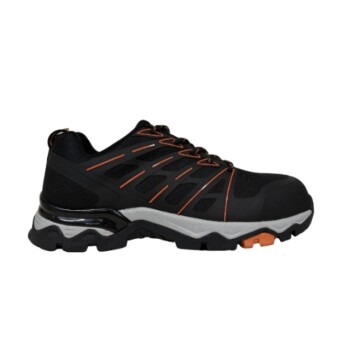
The physical design of safety gear is the critical data input for automated monitoring systems. Specialized apparel utilizes distinct colors and high-contrast edges to create a visual signature that computer vision models can easily segregate from chaotic environments. This visual clarity is the fundamental mechanism that allows algorithms to accurately confirm safety compliance.
By leveraging distinct color palettes and sharp, high-contrast edges, safety gear provides the clear visual signals necessary for automated models to distinguish workers from complex construction backgrounds, directly influencing detection accuracy and compliance verification.
Transforming Physical Gear into Digital Signals
To understand how accuracy is achieved, you must look at safety gear not just as protection, but as a data transmission tool for recognition models.
The Power of Distinct Colors
Automated systems rely heavily on color differentiation to identify subjects. Specialized safety gear features specific, distinct colors that do not naturally occur in the surrounding environment.
This color specificity acts as a primary filter, allowing the recognition model to instantly flag the presence of a worker.
Utilizing High-Contrast Edges
Beyond color, the structural outline of the gear plays a vital role. Structured safety footwear and apparel are designed with high-contrast edges.
These sharp boundaries help the computer vision algorithms define the shape and extent of the equipment. This ensures the system recognizes not just that gear is present, but that it provides the correct coverage.
Navigating Complex Environments
The primary obstacle for any automated monitoring system is visual noise. Construction sites are inherently chaotic, filled with varying textures, shadows, and moving machinery.
Separating Signal from Noise
The physical characteristics of high-visibility gear are designed to cut through this complexity.
By providing a visual intensity that outshines the background, the gear ensures that the "signal" (the worker) is stronger than the "noise" (the construction site). This contrast is what allows the model to maintain high detection rates even in cluttered visual fields.
Understanding the Operational Constraints
While specialized gear significantly improves accuracy, it is important to understand the reliance these systems have on visual fidelity.
The Dependency on Visual Clarity
The system's accuracy is directly tied to the maintenance of the gear's physical characteristics. The recognition models are calibrated to detect specific levels of contrast and color saturation.
If the gear loses its distinctiveness—due to wear, dirt, or poor lighting—the model’s ability to separate the worker from the background diminishes. The technology is not identifying the person; it is identifying the high-contrast visual markers worn by the person.
Optimizing for System Accuracy
To ensure your automated safety monitoring delivers reliable results, focus on the quality of the visual inputs.
If your primary focus is Detection Rate:
- Prioritize gear with the most vibrant, distinct colors available to maximize the contrast against your specific site's background environment.
If your primary focus is Compliance Verification:
- Select equipment with clearly defined, high-contrast edges to help algorithms accurately assess the coverage and fit of the safety gear.
The reliability of your automated monitoring is fundamentally determined by the visual distinctiveness of the gear your team wears.
Summary Table:
| Feature | Role in Automated Monitoring | Impact on System Performance |
|---|---|---|
| Distinct Color Palettes | Acts as a primary visual filter | Rapidly flags worker presence against chaotic backgrounds |
| High-Contrast Edges | Defines shape and structural boundaries | Enables algorithms to verify correct equipment coverage |
| Visual Signal Strength | Overcomes environmental noise/clutter | Maintains high detection rates in complex construction sites |
| Reflective Elements | Enhances luminosity in low light | Ensures compliance monitoring remains active 24/7 |
Partner with 3515 for Precision-Engineered Safety Solutions
As a large-scale manufacturer serving distributors and brand owners, 3515 offers comprehensive production capabilities for all footwear types, anchored by our flagship Safety Shoes series. Our gear is engineered to meet the rigorous visual demands of modern automated monitoring systems, ensuring your clients achieve maximum detection accuracy and compliance.
Our extensive portfolio includes:
- High-Performance Safety & Tactical Boots
- Outdoor & Training Shoes
- Professional Sneakers and Dress & Formal Shoes
Ready to elevate your inventory with footwear that bridges the gap between physical protection and digital safety integration?
Contact 3515 Today to Discuss Your Bulk Requirements
References
- Yeo-Reum Lee, Han-Guk Ryu. Deep learning-based framework for monitoring wearing personal protective equipment on construction sites. DOI: 10.1093/jcde/qwad019
This article is also based on technical information from 3515 Knowledge Base .
Related Products
- Premium Suede Sport Safety Shoes for Wholesale & Bulk Orders
- Premium Lightweight Safety Shoes for Wholesale & Bulk Orders
- Wholesale Anti-Smash & Puncture-Proof Safety Shoes Custom Manufacturing for Brands
- Premium KPU Injection Athletic Style Safety Shoes
- Premium Safety Shoes with Rotating Buckle Safety Sneakers
People Also Ask
- What are the primary functions of professional safety shoes? Maximize Safety in Water Supply Confined Spaces
- What industries have specific OSHA footwear requirements? Ensure Compliance & Protect Your Workforce
- What role do specialized safety shoes play in preventing falls? Engineering Stability in Industrial Environments
- Why wear protective masks, gloves, and safety shoes in 5S Shine? Elevate Safety and Discipline
- Why is barefoot walking used as a baseline in gait safety research? Unlocking Natural Biomechanics for Shoe Design