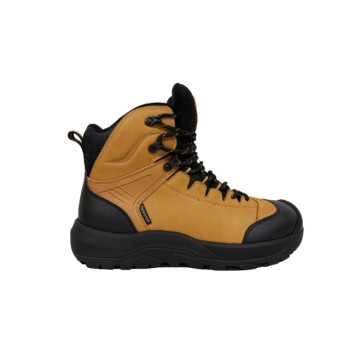
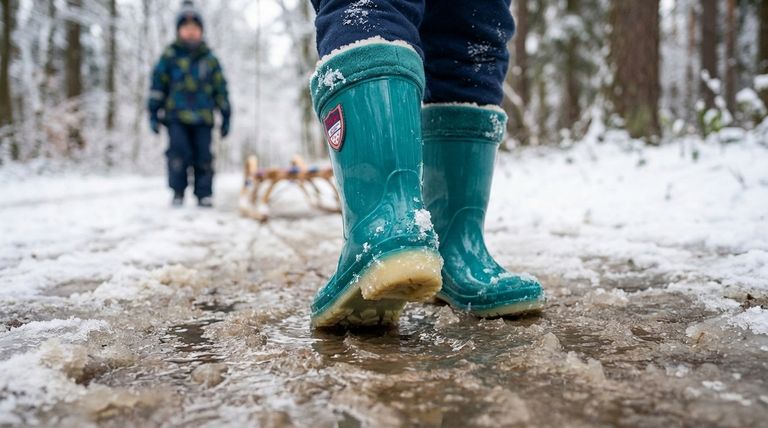
At their core, TEX winter boots for children are specialized tools designed for harsh conditions, fundamentally differing from regular shoes by integrating warmth, weather protection, and enhanced stability into a design that still prioritizes healthy foot development. While a quality regular shoe provides a proper fit, a TEX boot adds critical layers of security against the cold, wet, and slippery surfaces of winter.
The essential difference is not just about adding warmth; it's about providing a complete, integrated system of protection—insulation, waterproofing, and superior traction—without compromising the anatomical fit crucial for a child's growing feet.
Beyond Warmth: The Core Functional Layers of TEX Boots
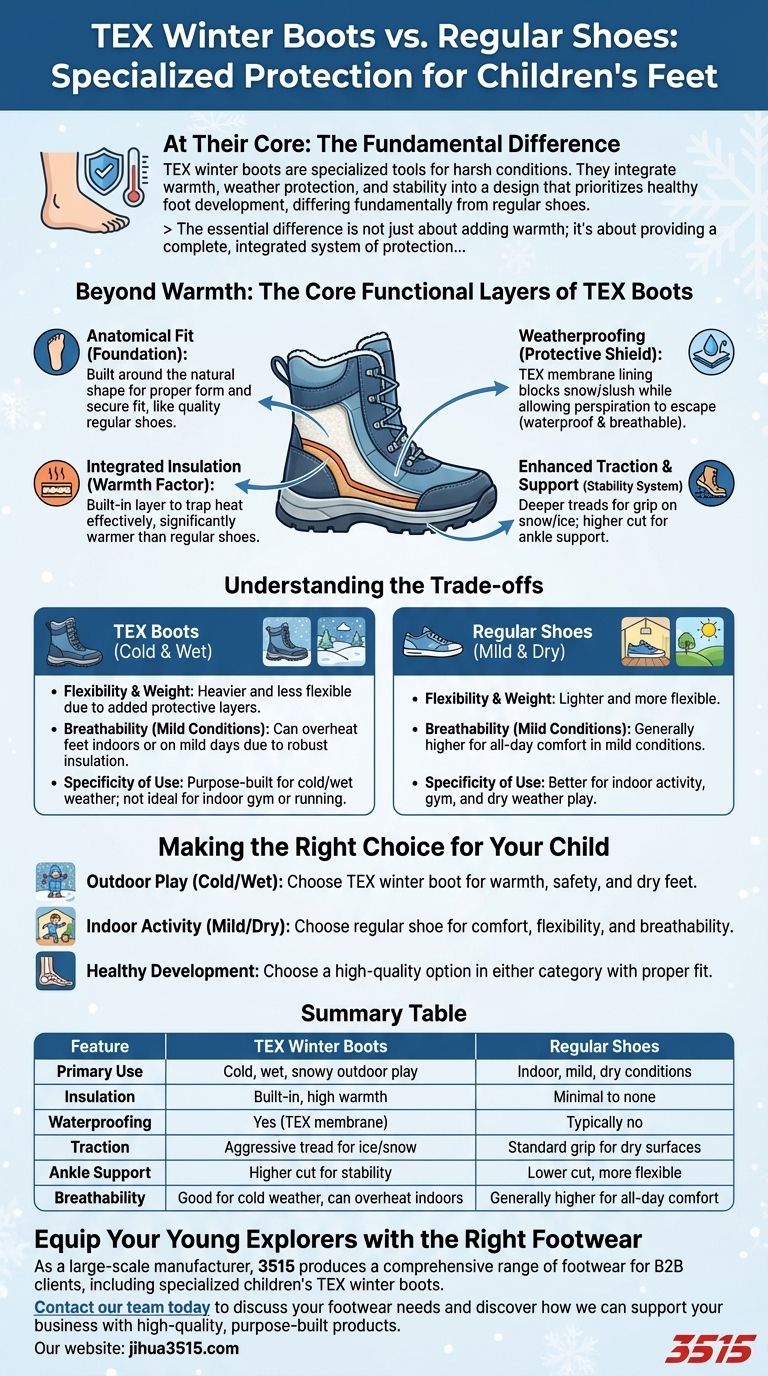
A common misconception is that a winter boot is just a warmer, bulkier shoe. In reality, a well-designed TEX boot is a multi-layered system where each component serves a distinct protective purpose.
The Foundation: Anatomical Fit
High-quality TEX winter boots share a critical starting point with good regular shoes: they are built around the natural shape and development of a child's foot. They provide proper form and a secure fit to ensure the foot can move and grow correctly, preventing the boot from feeling clumsy or restrictive.
The Warmth Factor: Integrated Insulation
The most obvious difference is warmth. Winter boots contain a built-in insulation layer designed to trap heat effectively. This makes them significantly warmer than wearing regular shoes, even when supplemented with thick socks or overshoes.
The Protective Shield: Weatherproofing
The "TEX" designation typically refers to a waterproof yet breathable membrane built into the boot's lining. This membrane blocks external moisture from snow and slush while allowing perspiration to escape, keeping feet both dry and comfortable—a feature most regular shoes lack.
The Stability System: Enhanced Traction and Support
Winter boots feature outsoles with deeper, more aggressive treads designed to grip snow and ice, providing far greater stability than the soles of regular shoes. Their higher-cut design also offers increased ankle support, which is beneficial when navigating uneven, slippery terrain.
Understanding the Trade-offs
Choosing specialized footwear always involves balancing benefits with practical limitations. Understanding these trade-offs is key to using TEX boots effectively.
Flexibility and Weight
The added layers of insulation, waterproofing, and durable materials make TEX boots inherently heavier and less flexible than a standard sneaker. This is a necessary compromise for the high level of protection they offer.
Breathability in Milder Conditions
The same features that excel in the cold can be a disadvantage indoors or on a mild day. The robust insulation can cause feet to overheat if worn for extended periods inside a warm classroom or home.
Specificity of Use
TEX winter boots are purpose-built for cold and wet weather. They are not ideal for running, gym class, or general indoor play where a lighter, more flexible regular shoe would be more comfortable and appropriate.
Making the Right Choice for Your Child
Your decision should be guided by the specific environment and activity your child will be facing.
- If your primary focus is outdoor play in cold, wet, or snowy weather: A TEX winter boot is the necessary choice for ensuring warmth, safety, and dry feet.
- If your primary focus is indoor activity or play in mild, dry conditions: A regular shoe offers superior comfort, flexibility, and breathability for these environments.
- If your primary focus is healthy foot development: Choose a high-quality option in either category, ensuring a proper fit and reserving each type of shoe for its intended conditions.
Ultimately, selecting the right footwear is about equipping your child with the correct tool for their environment, safeguarding their comfort and well-being.
Summary Table:
| Feature | TEX Winter Boots | Regular Shoes |
|---|---|---|
| Primary Use | Cold, wet, snowy outdoor play | Indoor, mild, dry conditions |
| Insulation | Built-in, high warmth | Minimal to none |
| Waterproofing | Yes (TEX membrane) | Typically no |
| Traction | Aggressive tread for ice/snow | Standard grip for dry surfaces |
| Ankle Support | Higher cut for stability | Lower cut, more flexible |
| Breathability | Good for cold weather, can overheat indoors | Generally higher for all-day comfort |
Equip Your Young Explorers with the Right Footwear
As a large-scale manufacturer, 3515 produces a comprehensive range of footwear for distributors, brand owners, and bulk clients. Our production capabilities encompass all types of shoes and boots, including specialized children's TEX winter boots designed for safety and comfort.
We help you provide the correct tool for every environment. Contact our team today to discuss your footwear needs and discover how we can support your business with high-quality, purpose-built products.
Visual Guide
Related Products
- Premium Insulated Safety Boots and Shoes for Wholesale & Bulk Orders
- Factory Direct Wholesale Rain Boots Durable Waterproof & Fully Customizable
- Durable Leather Tactical Boots Wholesale & Custom Manufacturing for Brands
- Wholesale Waterproof Tactical Boots Custom Suede & High-Traction Soles
- Durable Waterproof Rain Boots | Custom Manufacturer for Wholesale & Brands
People Also Ask
- What are the recommended insulation ratings for mild winter conditions? A Guide for Active & Stationary Workers
- How does insulation thickness correlate with temperature ranges? A Guide to Choosing the Right Warmth
- What insulation level is needed for severe cold and stationary work? 1200g or Higher is Essential
- What safety advantages do insulated boots offer beyond warmth? Dielectric Protection & Superior Grip
- How does fleece lining contribute to the warmth of insulated boots? Trapping Air for Superior Cold Protection