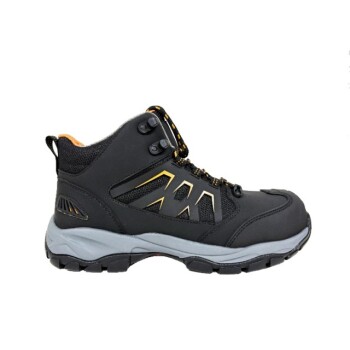
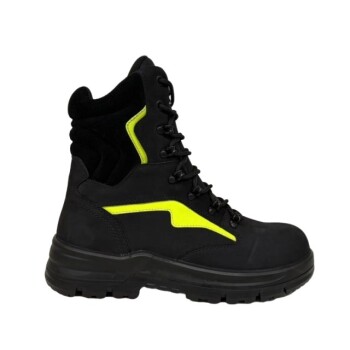
Specialized foot protection barriers serve as a critical physical firewall against the mechanical transmission of pathogens. By securing an external protective layer over primary safety shoes, these barriers effectively isolate contaminated soles, preventing the transfer of dangerous microbes from high-risk floors to clean zones. This ensures that personnel movement does not inadvertently become a vector for spreading viruses and bacteria within a facility.
By isolating the soles of primary footwear, these barriers eliminate the mechanical transport of contaminants, playing a pivotal role in dynamic risk control strategies that secure internal facility environments against viral and bacterial spread.
The Mechanics of Contamination Control
Blocking Mechanical Transmission
The primary function of these barriers is to interrupt the mechanical chain of infection. In high-risk environments, floors act as reservoirs for pathogens, which adhere to standard footwear.
By enveloping the shoe, the barrier ensures that the primary sole never makes contact with the clean environment. This effectively neutralizes the risk of tracking contaminants between zones.
Creating a Secondary Defense Layer
Standard safety boots are designed for physical protection, not necessarily infection control. Specialized barriers add a necessary external protective layer specifically designed for hygiene.
This addition transforms standard PPE into a bio-secure system without compromising the safety features of the underlying boot.
Dynamic Risk Control in Internal Environments
Managing Personnel Movement
Personnel are the most mobile element in any facility, making them high-risk vectors for cross-contamination. Dynamic risk control relies on mitigating the risks associated with this constant movement.
Foot protection barriers ensure that necessary mobility does not compromise the sterility of sensitive areas. They allow staff to move between zones while maintaining a strict hygiene boundary.
Targeting Viral and Bacterial Spread
The implementation of these barriers is specifically aimed at halting the spread of viruses and bacteria. These microscopic entities are easily transported on the soles of shoes.
By utilizing these barriers, facilities proactively manage the biological load present in internal environments, reducing the overall risk profile of the operation.
Understanding the Trade-offs
Implementation Discipline
The effectiveness of these barriers is entirely dependent on rigorous implementation protocols. The physical barrier works only if it is applied and removed correctly at the exact boundary of the risk zone.
A failure in the "donning and doffing" procedure can negate the benefits, as contaminants on the outside of the barrier could be transferred to hands or clean floors during removal.
Reliance on Layer Integrity
Because this is an external layer, its protective value exists only as long as the material remains intact. Tears, punctures, or material degradation instantly re-establish the path for mechanical transmission.
Facilities must ensure the barrier material is durable enough to withstand the friction and abrasion typical of the specific industrial or medical environment.
Optimizing Environmental Safety Protocols
To effectively integrate foot protection barriers into your risk management strategy, consider the following:
- If your primary focus is Infection Control: Select barriers that provide a verified shield against the specific viruses and bacteria identified in your risk assessment.
- If your primary focus is Operational Flow: Integrate the application of these barriers into your dynamic risk control procedures to ensure personnel movement does not disrupt facility hygiene.
Strategic implementation of foot barriers transforms a passive floor surface into an active component of your bio-security defense.
Summary Table:
| Key Feature | Functional Benefit | Impact on Risk Control |
|---|---|---|
| Physical Firewall | Blocks mechanical transmission of pathogens | Prevents cross-contamination between zones |
| Secondary Layer | Isolates contaminated soles from clean floors | Neutralizes the floor as a pathogen reservoir |
| Dynamic Mobility | Allows safe personnel movement across areas | Maintains sterility without restricting workflow |
| Bio-secure Design | Specifically targets viruses and bacteria | Reduces the overall biological load of the facility |
Elevate Your Facility Safety with 3515 Footwear Solutions
Protecting your team and your environment requires more than just standard gear. As a large-scale manufacturer serving global distributors and brand owners, 3515 offers comprehensive production capabilities across all footwear categories. From our flagship Safety Shoes series and tactical boots to high-performance sneakers and formal dress shoes, we provide the durable foundations necessary for effective secondary protection layers.
Whether you are managing a medical facility or an industrial plant, our bulk manufacturing expertise ensures you receive footwear that meets rigorous safety standards and integrates seamlessly with your infection control protocols.
Ready to secure your supply chain with high-quality safety footwear?
Contact us today to discuss your bulk requirements and custom production needs.
References
- Andrei Ștefan Neştian, Vladimir Poroch. Exposure risk management: Personal protective equipment and the risk of accidents occurring during aerosol generating procedures applied to COVID-19 patients. DOI: 10.1371/journal.pone.0282673
This article is also based on technical information from 3515 Knowledge Base .
Related Products
- Wholesale Customizable Safety Boots Durable & Protective Footwear Manufacturing
- Wholesale Leather Safety Boots with Customizable Protective Toe
- Premium Safety Shoes with Rotating Buckle Safety Sneakers
- Premium Wholesale Waterproof Safety Boots High Performance Protection for Industrial Markets
- Wholesale Anti-Smash & Puncture-Proof Safety Shoes Custom Manufacturing for Brands
People Also Ask
- Why are industrial safety boots with steel toes necessary for machine operators? Essential Foot Protection for Safety
- What is the history of steel toe work boots? From German Invention to Modern Safety Standard
- What are the different types of steel toe work boots? Choose the Right Boot for Your Job
- What are the pros and cons of steel toe work boots? A Guide to Maximum Protection vs. Comfort
- What common features do safety toe work boots share regardless of style? Essential Protection Explained