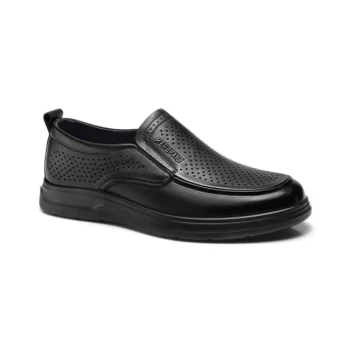
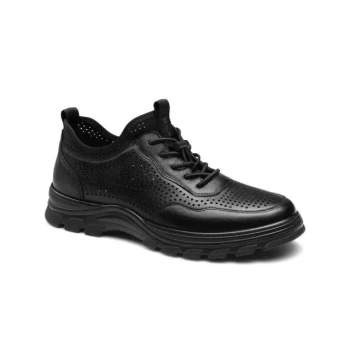
Somatic game systems facilitate cognitive-motor dual intervention by integrating high-precision motion sensors with visual feedback, requiring users to synchronize mental processing with physical action. When wearing athletic footwear like sneakers, users must interpret logical instructions displayed on a screen and immediately translate those cognitive judgments into rapid, supported limb movements.
By leveraging the mobility provided by sneakers and the interactivity of sensor-based gaming, these systems create a training environment where neural coordination, muscle strength, and cognitive processing speed are challenged simultaneously.
The Mechanics of Dual-Task Training
Integrating Sensors and Visual Feedback
Somatic systems rely on high-precision motion sensors to bridge the physical and digital worlds. These sensors track body movements in real-time, feeding that data into a visual interface.
The Cognitive Challenge
The intervention is not purely physical; it begins with a mental task. Users are presented with screen-based instructions that require immediate logical judgments. This forces the brain to process information rapidly before initiating movement.
The Motor Response
Once the cognitive judgment is made, the user must execute a specific motor task. This typically involves rapid limb movements or total body repositioning to match the digital cues.
The Role of Athletic Footwear
Providing Essential Support
The use of flexible sneakers is critical to the success of this dual intervention. The footwear provides the necessary structural support to handle the physical stress of repetitive, rapid movements.
Enabling Mobility and Speed
To keep up with the visual feedback loop, users must move quickly. Sneakers offer the traction and flexibility required to execute these rapid changes in position without compromising stability.
Enhancing Sensory Engagement
The combination of proper footwear and active gaming heightens sensory engagement. The physical feedback from the ground, mediated by the sneaker, helps refine neural coordination during complex tasks.
Understanding the Trade-offs
Reliance on Sensor Precision
The effectiveness of this intervention depends heavily on the accuracy of the motion sensors. If the sensors fail to track high-speed movements precisely, the feedback loop breaks, disrupting the cognitive-motor synchronization.
The Fatigue Factor
Engaging in dual tasks can lead to rapid fatigue compared to single-task exercises. As physical exhaustion sets in, the user's ability to make accurate cognitive judgments often degrades, potentially impacting training outcomes.
Maximizing the Intervention
To get the most out of somatic game systems, you must align the activity with your specific performance objectives.
- If your primary focus is Physical Conditioning: Prioritize the intensity of limb movements and repositioning to maximize muscle strength and stability provided by the sneakers.
- If your primary focus is Neural Coordination: Focus on the speed and accuracy of your reactions to the screen instructions to enhance cognitive processing and sensory engagement.
Success in this dual intervention requires balancing the mental load of logical decision-making with the physical demands of rapid execution.
Summary Table:
| Feature | Cognitive Component | Motor Component | Footwear Role |
|---|---|---|---|
| Sensory Feedback | Visual instruction processing | Real-time motion tracking | Ground tactile feedback |
| Task Execution | Logical decision-making | Rapid limb movement | Stability & traction |
| Training Focus | Neural coordination speed | Muscle strength & agility | Impact absorption |
| Key Outcome | Mental processing accuracy | Physical execution speed | Injury prevention |
Elevate Your Athletic Product Line with 3515
As a large-scale manufacturer serving global distributors and brand owners, 3515 offers comprehensive production capabilities for all footwear types to support advanced training needs. From high-performance Sneakers and training shoes designed for somatic gaming to our flagship Safety Shoes and tactical boots, our portfolio ensures durability and precision.
Partner with us to provide your customers with footwear that anchors stability and enhances neural-motor performance. Contact us today to discuss bulk requirements and custom manufacturing solutions tailored to your brand’s success.
References
- Longhai Zhang, Fei Guo. Interactive Cognitive Motor Training: A Promising Approach for Sustainable Improvement of Balance in Older Adults. DOI: 10.3390/su151813407
This article is also based on technical information from 3515 Knowledge Base .
Related Products
- Wholesale Breathable Athletic Sneakers - Custom Lightweight Cushioned Footwear Manufacturer
- Lightweight Breathable Sneakers with Wet-Traction Grip for Wholesale & Private Label
- Wholesale Lightweight Cushioned Athletic Sneakers for Custom Bulk Production
- Wholesale Smart Casual Sneakers with Dial Closure | Factory Direct Manufacturing
- Durable High-Traction Canvas Sneakers Wholesale & Custom Manufacturing
People Also Ask
- Why are breathable sneakers necessary for tropical commuting? Stay Cool and Dry in High Humidity
- What is the primary role of shoes in physical activities? Protection, Support & Performance
- In what ways do high-performance Athletic Shoes support stability and proprioception? Enhance Your Movement Precision
- What materials are best for athletic activities in warm climates? Stay Cool with Moisture-Wicking Fabrics
- Why is it important to wear proper footwear during sports activities? Prevent Injury & Boost Performance