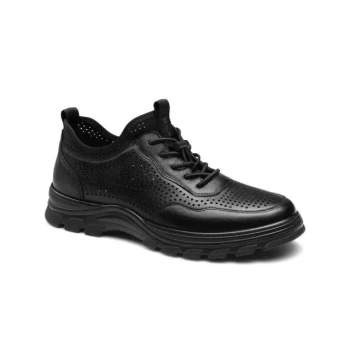
The primary technical functions of professional volleyball footwear center on integrated shock absorption systems and energy return designs that balance impact loads during critical jumping and landing phases. By mechanically enhancing landing stability, these shoes actively reduce physical pressure on knee and ankle joints, serving as a first line of defense against ligament injuries caused by unstable ground contact.
Professional volleyball footwear acts as a biomechanical anchor, primarily designed to mitigate injury by absorbing high-velocity vertical impact and enforcing strict structural alignment to prevent rotational sprains.
Managing Vertical Impact Forces
Shock Absorption and Energy Return
Professional footwear is engineered to handle the repetitive, high-force nature of volleyball. The core technology involves integrated shock absorption systems that dissipate the energy generated when a player hits the floor.
Reducing Joint Pressure
These systems do more than provide comfort; they fundamentally alter how force is transferred through the body. By balancing impact loads, the footwear significantly lowers the physical pressure exerted on the knee and ankle joints, protecting the cartilage and connective tissues from cumulative trauma.
Enhancing Stability and Alignment
Preventing Ligament Injuries
A major function of these shoes is to ensure landing stability. By providing a secure base, the footwear prevents the erratic ground contact that often leads to ligament tears, ensuring the foot remains planted securely rather than rolling or sliding.
Biomechanical Ankle Alignment
Beyond simple cushioning, professional footwear offers targeted arch support and stable containment structures. These features work together to maintain proper biomechanical alignment of the ankle during complex, multi-directional movements, acting as a safeguard against the rolling motions that cause sprains.
The Critical Role of Structural Fit
Precise Sizing as a Safety Feature
The protective technology in volleyball shoes relies entirely on precise sizing and structural fit. A mismatch between the shoe's shape and the athlete's foot is not merely an inconvenience; it is a direct contributor to injury.
Eliminating Uneven Force Distribution
Proper structural fit ensures that the foot is locked in place. This containment prevents uneven force distribution across the foot, which significantly reduces the risk of chronic strains and acute injuries associated with slippage inside the shoe.
Common Pitfalls to Avoid
The Size-Mismatch Danger
The most advanced shock absorption system is rendered ineffective if the shoe does not fit perfectly. A size or shape mismatch compromises the containment structure, leaving the ankle vulnerable to instability despite the shoe's technical specifications.
Over-Reliance on Cushioning
While cushioning is vital, prioritizing softness over stability can be a mistake. To prevent sprains, the shoe must offer a rigid enough structure to support the biomechanical alignment of the ankle, rather than allowing excessive movement within the shoe.
Making the Right Choice for Your Goals
To maximize injury prevention, select your footwear based on your specific physical needs:
- If your primary focus is Joint Health: Prioritize shoes with advanced shock absorption and energy return designs to minimize impact load on knees.
- If your primary focus is Ankle Stability: Look for footwear offering targeted arch support and a precise structural fit to ensure proper biomechanical alignment.
The right volleyball shoe is not just equipment; it is a necessary structural component that aligns and protects your body against the high demands of the sport.
Summary Table:
| Technical Function | Mechanism | Injury Prevention Benefit |
|---|---|---|
| Shock Absorption | Integrated energy return systems | Reduces joint pressure on knees and ankles |
| Landing Stability | Secure base & containment structures | Prevents ligament tears and rotational sprains |
| Biomechanical Alignment | Targeted arch support | Ensures proper ankle positioning during movement |
| Structural Fit | Precise sizing & foot locking | Eliminates uneven force distribution and slippage |
Elevate Your Footwear Line with 3515 Protective Technology
As a leading large-scale manufacturer serving distributors and brand owners worldwide, 3515 specializes in high-performance footwear engineered for safety and durability. Our professional production capabilities allow us to integrate advanced biomechanical protections—like those found in elite volleyball shoes—into a wide range of products.
Whether you need our flagship Safety Shoes, tactical boots, or high-stability athletic sneakers, we offer the bulk manufacturing expertise to meet your technical requirements and protect your end-users. Partner with us to deliver footwear that balances comfort with rigorous injury prevention.
Contact our expert team today to discuss your bulk requirements!
References
- Maya Heydərova. REASONS OF INJURES IN VOLLEYBALL AND THEIR PREVENTION. DOI: 10.69682/arti.2024.91(6).209-212
This article is also based on technical information from 3515 Knowledge Base .
Related Products
- Advanced KPU Athletic Safety Shoe with Steel Toe Cap Anti-Slip Rotary Lacing System
- Premium Suede Sport Safety Shoes for Wholesale & Bulk Orders
- Premium KPU Athletic Safety Shoes for Wholesale
- Wholesale Breathable Training Shoes Custom Athletic Footwear Manufacturer
- Wholesale Breathable Athletic Sneakers - Custom Lightweight Cushioned Footwear Manufacturer
People Also Ask
- What are the key differences between steel toe and composite toe caps? Choose the Right Safety for Your Job
- What impact do steel toe caps have on toe skin health? Prevent Friction and Pressure in Your Safety Shoes
- What are the primary protective functions of safety shoes with steel toes in the automotive repair industry?
- What type of safety shoe is recommended for workers exposed to heavy machinery? Steel Toe Boots for Ultimate Protection
- How does defining specific friction interface models in FEA assist in predicting safety shoe toe cap failure modes?