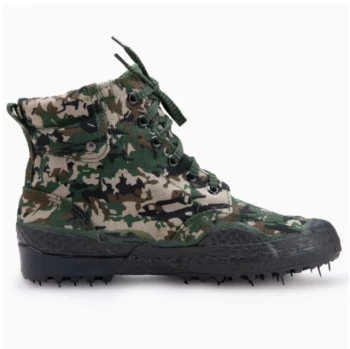
The fundamental difference between snowmobile boots and traditional snow boots lies in their structural rigidity and specialized protection. While traditional snow boots are engineered for pedestrian comfort and thermal insulation during casual winter activities, snowmobile boots are high-performance safety gear designed to withstand the impacts, abrasions, and mechanical stresses of high-speed motorized sports.
Core Takeaway: Traditional snow boots prioritize flexibility and walking traction, whereas snowmobile boots utilize reinforced, rigid frames to protect riders from high-velocity impacts and engine heat. For B2B stakeholders, understanding this distinction is critical for maintaining safety standards and meeting the technical demands of professional-grade winter sports equipment.
Structural Engineering for High-Velocity Performance
Rigid Frames vs. Pedestrian Flex
Snowmobile boots are built with a significantly more rigid construction to support the rider's ankles and shins during high-speed maneuvers. This stiffness prevents hyperextension and absorbs the shock from rough terrain, whereas traditional snow boots are designed with flexible uppers to facilitate a natural walking gait.
Impact Resistance and Reinforced Materials
Motorized winter sports expose the footwear to constant abrasions from the vehicle’s chassis and potential impacts from debris. Snowmobile boots feature reinforced toe boxes, heel guards, and shanks made from high-density polymers or metals to ensure the rider's safety.
Thermal Regulation and Engine Heat
While both boot types offer insulation, snowmobile boots must balance external cold with internal heat generated by the vehicle. Premium manufacturing utilizes specialized membranes that manage moisture while protecting the foot from the intense heat of the snowmobile’s engine components.
Specialized Design for Extreme Environments
Traction and Interface Design
Traditional snow boots feature deep-tread rubber outsoles optimized for walking on ice and slush. In contrast, snowmobile boot soles are often designed to interface specifically with the snowmobile's running boards, providing grip that won't slip during aggressive riding positions.
Shaft Height and Moisture Defense
Both styles utilize high shafts to prevent snow seepage, but snowmobile boots often incorporate advanced closure systems like BOA or heavy-duty buckles. These systems ensure a pressurized fit that remains secure even under the vibration and wind pressure of high-speed travel.
Advanced Waterproofing Technologies
Traditional boots often rely on basic moisture barriers for casual use. High-end snowmobile boots integrate sophisticated waterproof-breathable membranes, such as Gore-Tex, to ensure the rider stays dry despite heavy snow spray and sweat during physical exertion.
Global Manufacturing and Supply Chain Stability
Scaling Production for Professional Gear
Manufacturing snowmobile boots requires specialized machinery and rigorous testing protocols that exceed standard footwear production. Since 1951, industry leaders have developed the infrastructure necessary to produce these complex technical designs at a massive scale without compromising quality.
OEM and ODM Capabilities for Global Brands
Brand owners and distributors require partners who can translate technical specifications into high-volume reality. Utilizing state-of-the-art equipment and deep material science expertise allows for the creation of proprietary designs that meet international safety certifications.
Consistent Delivery and Supply Chain Reliability
For wholesalers and B2B resellers, the ability to deliver consistent, large-volume orders is paramount. A robust supply chain, backed by decades of heritage and international quality standards, ensures that specialized snowmobile gear reaches the market precisely when seasonal demand peaks.
Understanding the Trade-offs
Weight vs. Mobility
The reinforced protection of snowmobile boots comes at the cost of increased weight. While they offer superior safety on a machine, they are often too heavy and stiff for extended walking or urban use compared to traditional snow boots.
Cost vs. Durability
Due to the specialized materials and complex construction, snowmobile boots typically carry a higher price point than casual winter footwear. However, for B2B distributors, this represents a higher-value product category with a customer base that prioritizes technical durability over fashion.
Specialization vs. Versatility
Traditional snow boots are versatile enough for shopping, walking, or light work. Snowmobile boots are niche tools; using them outside their intended motorized environment can lead to premature wear of the specialized soles and discomfort for the wearer.
Making the Right Choice for Your Goal
When selecting a manufacturing partner or expanding your inventory, align your technical requirements with the specific needs of your target market.
- If your primary focus is professional sports and safety: Invest in snowmobile boots with reinforced rigid frames, high-impact resistance, and specialized interface soles.
- If your primary focus is casual consumer utility: Prioritize traditional snow boots that offer high-shaft insulation, flexible walking soles, and versatile aesthetic designs.
- If your primary focus is large-scale distribution: Partner with a manufacturer boasting international certifications, a 70-year heritage, and the capacity for consistent high-volume delivery.
By choosing the right technical specifications for the intended environment, you ensure both the safety of the end-user and the long-term credibility of your brand in the global marketplace.
Summary Table:
| Feature | Snowmobile Boots | Traditional Snow Boots |
|---|---|---|
| Primary Function | High-speed safety & vehicle control | Pedestrian warmth & walking comfort |
| Structural Rigidity | High (Ankle support & impact absorption) | Flexible (Natural walking gait) |
| Protection Level | Reinforced toe boxes & engine heat shielding | Basic insulation & moisture barriers |
| Outsole Design | Specialized grip for running boards | Deep-tread rubber for ice & slush traction |
| Ideal User | Professional riders & motorized athletes | Casual winter users & outdoor walkers |
Partner with a Global Leader in Technical Footwear Manufacturing
Elevate your product line with high-performance footwear engineered for extreme conditions. As a large-scale manufacturer serving distributors and brand owners, 3515 offers comprehensive production capabilities for all footwear types, anchored by our flagship Safety Shoes series.
With a rich heritage since 1951, we provide:
- Massive Production Scale: Robust supply chain stability for consistent large-volume delivery.
- Premium OEM/ODM Capabilities: State-of-the-art equipment to bring your proprietary designs to life.
- Certified Quality: Products backed by comprehensive international certifications to ensure market compliance.
From tactical and outdoor boots to professional snow gear and dress shoes, 3515 is your trusted partner for reliability and excellence.
Contact our team today to discuss your bulk requirements!
Related Products
- Durable Spiked Camouflage Boots Wholesale & Factory Production
- Wholesale Waterproof Tactical Boots Custom Suede & High-Traction Soles
- Wholesale High-Traction Camo Boots - Custom Manufacturer for Brands
- Wholesale Lightweight Tactical Boots Custom Manufacturer for Desert & Combat Use
- Factory Direct Wholesale Rain Boots Durable Waterproof & Fully Customizable
People Also Ask
- How does boot height affect waterproofing? Choose the Right Height for Ultimate Protection
- What are the best types of shoes for different gardening conditions? Find Your Perfect Match.
- What role does camouflage play in hunting boots? It's More Than Just a Pattern
- What should you look for to ensure boots are fully waterproof? The Essential 2-Part System
- How does boot construction affect waterproofing? The Science Behind Truly Dry Feet