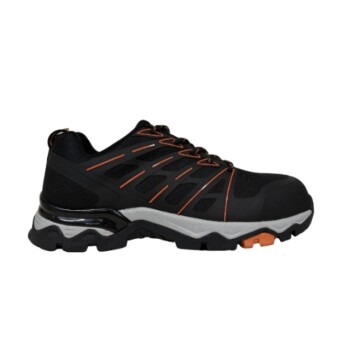
Shoe lasts made from recyclable materials serve as a critical pivot point in safety shoe manufacturing, transforming the production chain from a linear disposal model to a circular ecosystem. By replacing traditional single-use or fixed-specification lasts with recyclable or adjustable alternatives, manufacturers can drastically reduce industrial waste and energy consumption while enabling highly responsive customization.
Adopting recyclable materials for shoe lasts allows for the circular reuse of foundational tooling, decoupling production volume from waste generation. This approach aligns the manufacturing chain with circular economy goals, simultaneously lowering the environmental footprint and increasing process flexibility.
The Shift from Linear to Circular Manufacturing
Eliminating Single-Use Tooling
Traditional safety shoe manufacturing often relies on fixed-specification lasts that serve a limited purpose before becoming obsolete.
By utilizing recyclable materials, the industry moves away from this "make-use-dispose" pattern. The lasts become renewable assets rather than consumables, allowing the foundational tooling to be reused repeatedly.
Reducing Industrial Waste
The immediate impact of this transition is a significant reduction in physical waste.
When lasts are no longer needed for a specific specification, the material can be reclaimed rather than discarded. This minimizes the volume of industrial refuse entering landfills.
Lowering Energy Consumption
Processing recycled materials generally requires less energy than extracting and refining virgin resources.
Consequently, integrating these materials into the tooling supply chain lowers the overall energy intensity of the production system. This contributes directly to carbon reduction goals within the broader manufacturing ecosystem.
Enhancing Production Agility
Supporting Pull-Style Customization
Sustainability is not just about materials; it is also about efficiency in production logic.
Recyclable and adjustable lasts support pull-style customization processes. This allows manufacturers to produce safety shoes based on actual demand rather than speculative forecasting.
Aligning with Circular Economy Goals
The use of flexible tooling materials enables a production system that adapts to change without generating excess waste.
This flexibility ensures that the manufacturing chain remains aligned with sustainable manufacturing principles, balancing economic efficiency with environmental stewardship.
Understanding the Trade-offs
Durability Requirements
While recyclability is beneficial, the material must still withstand the rigors of safety shoe manufacturing.
The recyclable material must possess sufficient structural integrity to handle the high pressures and temperatures often involved in molding safety footwear. If the material degrades too quickly during the recycling loop, the efficiency gains may be diminished.
Complexity in Supply Chain
Moving to a circular model requires a more sophisticated logistics system to manage the reclamation and reprocessing of lasts.
Manufacturers must ensure they have the infrastructure to recover the tooling effectively, rather than simply discarding it, which may introduce new operational complexities.
Making the Right Choice for Your Goal
Transitioning to recyclable shoe lasts is a strategic decision that impacts both your environmental footprint and your production capabilities.
- If your primary focus is Waste Reduction: Prioritize materials with high recovery rates to maximize the benefits of circular reuse and minimize landfill contributions.
- If your primary focus is Process Flexibility: Leverage adjustable recyclable lasts to enable pull-style customization, allowing you to react quickly to specific customer needs without creating obsolete tooling.
By integrating recyclable lasts, you effectively future-proof your manufacturing chain against resource scarcity while meeting the modern demand for sustainable production.
Summary Table:
| Key Sustainability Factor | Impact of Recyclable Shoe Lasts | Manufacturing Benefit |
|---|---|---|
| Waste Management | Transitions from linear disposal to circular reuse | Significant reduction in industrial landfill waste |
| Resource Efficiency | Recovers material for foundational tooling | Lowers energy consumption compared to virgin materials |
| Production Logic | Supports pull-style customization | Reduces overproduction and speculative inventory waste |
| Supply Chain | Enables renewable asset management | Future-proofs manufacturing against resource scarcity |
Partner with 3515 for Sustainable Footwear Solutions
As a large-scale manufacturer serving distributors and brand owners worldwide, 3515 offers comprehensive production capabilities for all footwear types, anchored by our flagship Safety Shoes series. Our extensive portfolio covers work and tactical boots, outdoor shoes, training shoes, and sneakers, as well as Dress & Formal shoes to meet diverse bulk requirements.
By integrating advanced manufacturing principles and sustainable tooling practices, we help our partners reduce their environmental footprint while maintaining peak performance and durability. Whether you are looking to scale your brand or source high-quality safety footwear, our expertise ensures your success in a circular economy.
Ready to elevate your product line with a sustainable manufacturing leader? Contact us today to discuss your bulk requirements!
References
- D. J. Janson, Vimal Dhokia. A Product-Service System for Safety Footwear. DOI: 10.1017/pds.2022.105
This article is also based on technical information from 3515 Knowledge Base .
Related Products
- Durable Leather Safety Boots for Wholesale & Custom OEM Manufacturing
- Durable Steel Toe Safety Boots Wholesale & Custom Manufacturing
- Premium Wheat Nubuck Safety Shoes for Bulk Distribution
- Wholesale Durable Safety Boots | Custom Steel Toe & Puncture-Resistant Manufacturing
- Premium Suede Sport Safety Shoes for Wholesale & Bulk Orders
People Also Ask
- What are the OSHA and ASTM standards for safety toe boots? Ensure Your Footwear is Fully Compliant
- What workplace hazards do safety toe boots protect against? Comprehensive Protection Guide
- What are the different types of safety toe boots available? Choose the Right Protection for Your Job
- What do the symbols M, F, I, and C represent on safety toe boots? Decode ASTM F2413 for Maximum Protection
- What are the main types of safety toe materials used in work boots? Steel, Alloy, or Composite?