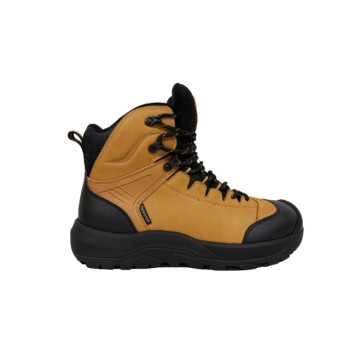
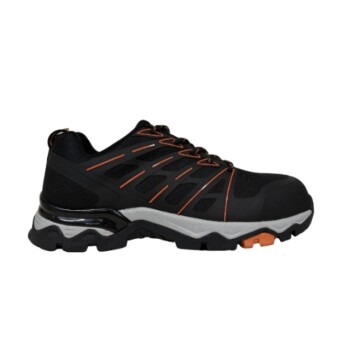
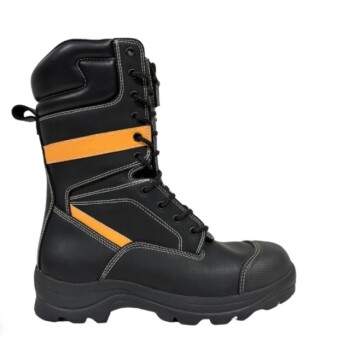
Safety shoes with electrical insulation act as a critical dielectric barrier between the wearer and the ground. By utilizing specialized non-conductive materials in the outsoles and linings, they effectively block the path of electrical current through the human body. This physical isolation is the primary defense against lethal shock should a technician accidentally contact a live circuit during the unpredictable phases of system installation and debugging.
The core function of insulated footwear is to prevent the human body from completing an electrical circuit. By providing high dielectric strength, these shoes ensure that even if you touch a live wire, the current has nowhere to exit, significantly reducing the severity of the injury.
The Mechanics of Electrical Isolation
Blocking the Path to Ground
The most dangerous aspect of working with electricity is the body becoming a conduit for current. Insulated safety shoes feature high dielectric strength, meaning they resist the flow of electricity.
This resistance effectively breaks the circuit at the user's feet. Without a path to the ground, the current cannot flow freely through the body, preventing cardiac arrest and severe internal burns.
Specialized Material Composition
To achieve this isolation, these boots rely on non-conductive materials.
Manufacturers utilize rubber, polyurethane, or specialized composite materials for the outsoles rather than standard conductors. Furthermore, high-performance options often replace steel toe caps with composite toe caps to eliminate conductive metal parts that could inadvertently bridge a circuit.
Withstanding High Voltage
Safety shoes are rated to withstand specific voltage thresholds for set durations.
For example, boots with an Electrical Hazard (EH) rating are tested to resist shocks and withstand very high voltage for at least one minute. This "buffer time" is vital during accidental contact, providing the split-second protection needed to pull away from a hazard.
Protection During Installation and Debugging
Mitigating Arc Flash Risks
Installation and debugging are dynamic environments where connections may not yet be secure.
Insulated footwear helps mitigate the risks associated with arc flashes. While the primary protection against arc flash is clothing, insulated shoes prevent the secondary shock hazard that occurs if the arc creates a conductive path through the floor.
Defense Against Physical Hazards
Electrical installation often occurs in active construction or industrial zones.
Beyond insulation, these shoes provide barriers against punctures and crushing. A sharp nail or falling equipment can compromise a technician's stability or expose their skin to hazards; reinforced soles and toes ensure the physical integrity of the foot is maintained alongside electrical safety.
Understanding the Trade-offs
Insulation vs. Static Dissipation
It is critical not to confuse Electrical Hazard (EH) shoes with Static Dissipative (SD) or Conductive footwear.
SD shoes are designed to conduct electricity into the ground to protect sensitive electronics from static. Do not use SD shoes for high-voltage installation work, as they facilitate the flow of electricity and increase the risk of shock.
Environmental Compromise
Water and contamination can render insulation useless.
If insulated boots become wet or the soles are worn down, their dielectric properties are significantly reduced. Waterproofing and chemical resistance are not just comfort features; they are essential for maintaining the electrical integrity of the shoe in harsh environments.
Making the Right Choice for Your Goal
When selecting footwear for electrical projects, ensure the specifications align with the specific phase of work.
- If your primary focus is working with live voltage (Installation/Debugging): Prioritize footwear with a certified Electrical Hazard (EH) rating and composite toes to maximize isolation from the ground.
- If your primary focus is strictly mechanical safety in a dry environment: Ensure the boots offer puncture-resistant mid-soles to prevent sharp objects from compromising the sole's insulation.
- If your primary focus is outdoor or wet environments: You must select boots with verified waterproofing, as wet insulation becomes conductive and eliminates your protection.
The right safety shoe transforms your feet from a potential ground point into a secure anchor, keeping you isolated from the lethal power of the grid.
Summary Table:
| Feature | Electrical Hazard (EH) Shoes | Benefit for Technicians |
|---|---|---|
| Outsole Material | High dielectric rubber/polyurethane | Blocks current flow to the ground |
| Toe Cap Type | Non-metallic composite toe | Eliminates metal-to-metal conductivity |
| Primary Function | Circuit isolation | Prevents cardiac arrest and internal burns |
| Voltage Testing | Rated for specific KV thresholds | Provides buffer time during accidental contact |
| Secondary Protection | Puncture-resistant soles | Maintains insulation integrity in construction zones |
Secure Your Workforce with Certified Safety Solutions
As a large-scale manufacturer serving distributors and brand owners, 3515 offers comprehensive production capabilities for all footwear types, anchored by our flagship Safety Shoes series. Whether you are looking for EH-rated tactical boots or puncture-resistant work shoes, our extensive portfolio is designed to meet your diverse bulk requirements with unmatched reliability.
Protect your personnel and elevate your brand with footwear that exceeds international safety standards. Contact us today to discuss your custom manufacturing needs and see how our expertise can strengthen your product line.
References
- Ganjar Jojon Johari, Ispi Taopik. Pengaruh Keselamatan dan Kesehatan Kerja di Proyek Penataan Kawasan Pariwisata Situ Bagendit Kabupaten Garut. DOI: 10.33364/konstruksi/v.20-1.1065
This article is also based on technical information from 3515 Knowledge Base .
Related Products
- Premium Insulated Safety Boots and Shoes for Wholesale & Bulk Orders
- Premium KPU Injection Athletic Style Safety Shoes
- Premium KPU Athletic Safety Shoes for Wholesale
- Premium Wholesale Tactical Style Safety Shoes Boots with Quick Lacing
- Premium Lightweight Safety Shoes for Wholesale & Bulk Orders
People Also Ask
- What are the recommended insulation ratings for mild winter conditions? A Guide for Active & Stationary Workers
- How does insulation thickness correlate with temperature ranges? A Guide to Choosing the Right Warmth
- What insulation level is needed for severe cold and stationary work? 1200g or Higher is Essential
- What safety advantages do insulated boots offer beyond warmth? Dielectric Protection & Superior Grip
- How does fleece lining contribute to the warmth of insulated boots? Trapping Air for Superior Cold Protection