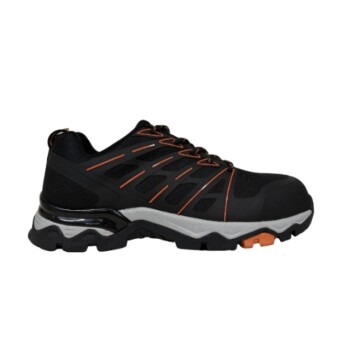
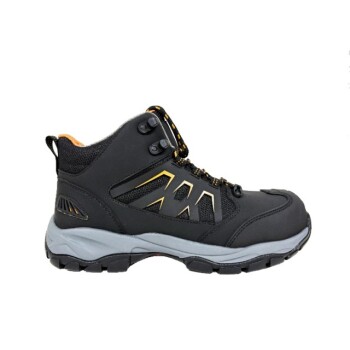
Reinforced safety shoes act as a critical defense system within heavy industrial environments by mitigating specific physical and environmental risks. They primarily improve safety through impact-resistant toe caps that shield against falling heavy objects and puncture-resistant midsoles that prevent injury from sharp debris. Additionally, they incorporate chemical-resistant materials and anti-slip designs to maintain worker stability on hazardous or oily floors.
These shoes do not merely cover the foot; they serve as a specialized engineering control that reduces the frequency of disabling accidents caused by mechanical trauma, environmental hazards, and loss of footing.
Mitigating Mechanical Trauma
The most immediate value of reinforced safety shoes lies in their ability to act as a physical barrier against the mechanical forces common in workshops, such as furniture manufacturing or heavy machining.
Protection Against Crushing Forces
In environments involving material stacking or heavy machinery operations, the risk of falling objects is high. Impact-resistant toe caps (often made of steel or composite materials) are essential here.
These caps prevent the toes from being crushed by timber, furniture components, or dropped tools. By absorbing the energy of the impact, they reduce the risk of debilitating fractures or amputation.
Defense Against Sharp Penetration
Workshops floors are frequently littered with sharp hazards, such as wood splinters, nails, or metal scraps from lathes and mills.
Puncture-resistant midsoles provide a hardened layer between the outsole and the foot. This barrier effectively stops sharp objects from penetrating the sole and causing deep tissue injuries.
Managing Environmental Hazards
Beyond mechanical impacts, heavy industrial workshops present chemical and stability challenges that standard footwear cannot address.
Stability on Slick Surfaces
Workshops often have floors contaminated with liquids, oils, or loose sawdust. These conditions drastically increase the risk of slipping, which can be fatal near operating machinery.
Reinforced safety shoes utilize integrated anti-slip outsoles designed to grip compromised surfaces. This traction provides the essential stability workers need to operate heavy equipment safely.
Resistance to Thermal and Chemical Threats
Industrial environments may expose workers to high-temperature liquids, welding splashes, or corrosive chemicals.
Specialized safety shoes offer protection against these external elements. They prevent chemical burns and thermal injuries by using durable materials that resist degradation when in contact with hazardous fluids.
Understanding the Trade-offs
While reinforced safety shoes are vital for protection, selecting the wrong type can introduce new issues. It is important to balance protection with functionality.
Weight vs. Fatigue
Heavier protection, such as steel toe caps and thick puncture-resistant soles, adds significant weight to the shoe.
Over long shifts, this can lead to increased worker fatigue. While the protection is necessary, excessive weight can reduce mobility and morale, potentially leading to errors caused by tiredness.
Rigidity vs. Sensitivity
To provide a stable platform—sometimes used to assist gait sensors or exoskeletons—safety soles are often quite rigid.
This rigidity is excellent for stability on uneven terrain but reduces the foot's natural flexibility. Workers requiring high agility may find extremely rigid soles limiting.
Making the Right Choice for Your Goal
To maximize safety, you must match the specific shoe features to the primary hazards of your workshop.
- If your primary focus is heavy material handling: Prioritize shoes with high-impact toe caps to mitigate the risk of crushing injuries from falling stock or equipment.
- If your primary focus is machining or scrap management: Ensure the footwear features puncture-resistant midsoles to protect against sharp metal fragments and floor debris.
- If your primary focus is chemical or fluid processes: Select shoes with anti-slip outsoles and chemical-resistant uppers to prevent falls and burns.
The most effective safety shoe is one that addresses the specific environmental risks of the workspace while maintaining enough comfort to ensure consistent compliance.
Summary Table:
| Hazard Type | Key Feature | Safety Improvement |
|---|---|---|
| Crushing Forces | Impact-resistant Toe Caps | Prevents fractures, amputations |
| Sharp Penetration | Puncture-resistant Midsoles | Stops deep tissue injuries |
| Slick Surfaces | Anti-slip Outsoles | Ensures stability, prevents falls |
| Chemical/Thermal | Resistant Materials | Prevents burns, material degradation |
As a large-scale manufacturer serving distributors and brand owners, 3515 offers comprehensive production capabilities for all footwear types, anchored by our flagship Safety Shoes series. Our extensive portfolio covers work and tactical boots, outdoor shoes, training shoes, and sneakers, as well as Dress & Formal shoes to meet diverse bulk requirements.
Equip your workforce with superior protection and performance. Discover how 3515 can elevate your product line and ensure worker safety.
Contact us today for bulk inquiries and secure the best footwear solutions for your market!
References
- Arira Celia Virta Parawansa, Dani Nasirul Haqi. The Relationship between Personal Factors and Behavior of Using Personal Protective Equipment on Workers. DOI: 10.20473/ijosh.v11i1.2022.63-71
This article is also based on technical information from 3515 Knowledge Base .
Related Products
- Premium Safety Shoes with Rotating Buckle Safety Sneakers
- Premium KPU Injection Athletic Style Safety Shoes
- Advanced KPU Athletic Safety Shoe with Steel Toe Cap Anti-Slip Rotary Lacing System
- Premium Suede Sport Safety Shoes for Wholesale & Bulk Orders
- Wholesale Anti-Smash & Puncture-Proof Safety Shoes Custom Manufacturing for Brands
People Also Ask
- What role do specialized safety shoes play in preventing falls? Engineering Stability in Industrial Environments
- How do the 3R principles influence green footwear design? Master Sustainable Safety Shoe Manufacturing
- How do I choose the best safety shoes? Match Certified Features to Your Hazards
- How do complex outsole tread designs in safety shoes work with coated floors? Master Slip Resistance Engineering
- How do gait analysis algorithms ensure accuracy in footwear? Master Step Length Precision for Boots & Sneakers