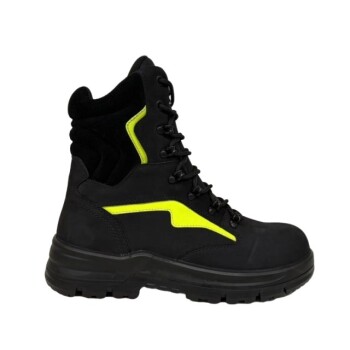
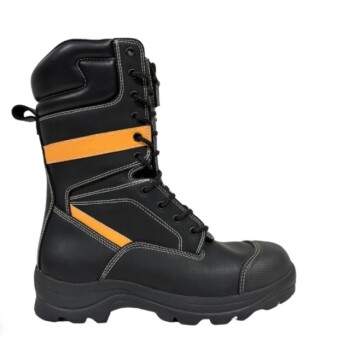
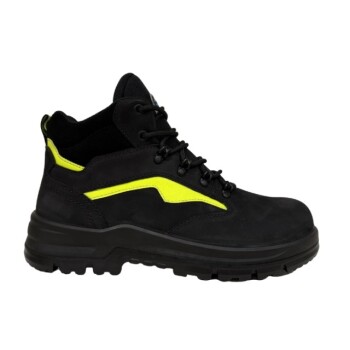
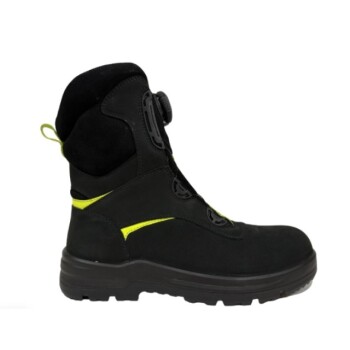
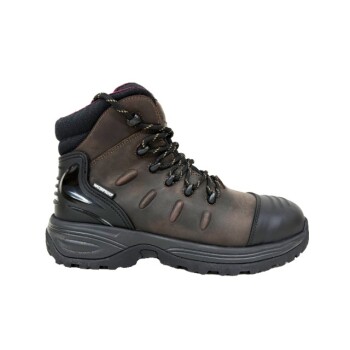
Professional waterproof protective boots function as a primary biological barrier by establishing a reliable seal against the damp, saline conditions typical of marine work. This physical isolation prevents seawater—which often acts as a vector for pathogens—from making direct contact with the skin. Furthermore, the inert nature of professional-grade boot materials actively inhibits the bacterial and fungal growth responsible for common occupational skin diseases.
Fishermen face a constant risk of fungal infections and dermatitis due to exposure to saline moisture; professional boots mitigate this through a dual mechanism of physical sealing to exclude pathogens and material inertness to suppress microbial proliferation.
The Biological Threat in Marine Environments
The Role of Saline and Dampness
Fishermen work in environments defined by constant moisture and high salinity. These conditions significantly degrade the skin's natural barrier function over time.
Prolonged exposure to this environment creates ideal conditions for biological hazards. It directly increases the likelihood of contracting fungal infections, contact dermatitis, and other occupational skin diseases.
Mechanisms of Protection
The Impermeable Seal
The most immediate defense is the boot's ability to create a reliable seal. By physically blocking the entry of seawater, the boot removes the transmission medium for many pathogens.
This prevents water containing harmful microorganisms from contacting the feet. Without this contact, the risk of waterborne skin infections is drastically reduced.
Material Inertness and Hygiene
Beyond simple waterproofing, the chemical composition of the boot is critical. Professional protective boots are constructed from materials designed to be chemically inert.
This inertness creates an environment that is hostile to microbial life. It effectively inhibits the growth of fungi and bacteria that might otherwise thrive in a warm, enclosed space, thereby reducing the incidence of skin conditions.
Understanding the Trade-offs
The Necessity of Proper Use
While the seal prevents external pathogens from entering, it creates a closed system. The same barrier that keeps saline water out also reduces airflow to the foot.
To maximize the biological protection of these boots, the interior must remain clean. If contaminants are introduced inside the boot before wear, the inert material helps, but the seal may trap them against the skin.
Making the Right Choice for Your Goal
To effectively mitigate biological risks, you must select footwear that balances sealing capability with material quality.
- If your primary focus is infection control: Prioritize boots with a verified, heavy-duty seal to ensure absolute isolation from pathogen-carrying seawater.
- If your primary focus is preventing chronic skin conditions: specificy boots constructed from high-quality inert materials that actively discourage fungal and bacterial colonization.
By combining physical isolation with hygienic material properties, you turn a standard piece of gear into a critical component of occupational health.
Summary Table:
| Protection Mechanism | Key Benefit | Impact on Health |
|---|---|---|
| Impermeable Seal | Blocks seawater & pathogen vectors | Prevents waterborne skin infections |
| Material Inertness | Inhibits fungal & bacterial growth | Reduces risk of dermatitis & odors |
| Physical Isolation | Maintains skin barrier integrity | Prevents degradation from saline moisture |
| Hygienic Design | Hostile environment for microbes | Long-term occupational health support |
Secure Your Workforce with Professional Marine Protection
As a large-scale manufacturer serving distributors and brand owners, 3515 offers comprehensive production capabilities for all footwear types, anchored by our flagship Safety Shoes series. We specialize in high-performance waterproof boots designed to mitigate biological hazards in marine and industrial environments.
From work and tactical boots to training shoes and sneakers, our extensive portfolio meets diverse bulk requirements with unmatched quality. Contact us today to discuss how our manufacturing expertise can enhance your product line and protect your customers.
References
- Jinling Yan, Muhammad Mohsin. Accessing Occupational Health Risks Posed by Fishermen Based on Fuzzy AHP and IPA Methods: Management and Performance Perspectives. DOI: 10.3390/su142013100
This article is also based on technical information from 3515 Knowledge Base .
Related Products
- Premium Wholesale Waterproof Safety Boots High Performance Protection for Industrial Markets
- High Performance Fire-Retardant Waterproof Safety Boots
- Premium Waterproof Nubuck Safety Boots for Wholesale
- Premium Flame-Retardant Waterproof Safety Boots and Shoes
- Wholesale Premium Waterproof Nubuck Safety Shoes Boots
People Also Ask
- What weather and chemical protections do premium boots offer? Your Complete Guide to Safety & Performance
- Why are waterproof safety boots recommended for certain work environments? Essential Protection for Wet & Hazardous Jobs
- What are the primary protective functions of industrial safety boots in oil palm plantations? Master Rough Terrain Safety
- Why are oil-resistant and anti-slip properties critical for industrial safety boots? Expert Outsole Engineering Guide
- What are the best types of shoes for different gardening conditions? Find Your Perfect Match.