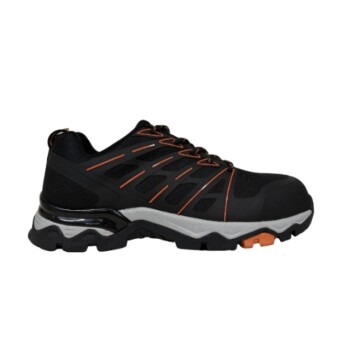
Professional safety shoes offer a multi-layered defense system specifically engineered for industrial hazards, unlike standard footwear which prioritizes aesthetics or basic comfort. While regular shoes leave the foot vulnerable to crushing and puncture injuries, safety shoes integrate impact-resistant toe caps, puncture-proof midsoles, and specialized slip-resistant outsoles to prevent injuries from heavy machinery, sharp debris, and slick surfaces common in automotive workshops.
While standard footwear is designed primarily for style and casual wear, professional safety shoes function as critical Personal Protective Equipment (PPE) required to ensure gait stability and mitigate severe risks in complex production environments.
Engineering for Physical Trauma
Standard shoes typically lack structural reinforcement, making them liabilities in environments where heavy components are handled. Safety shoes are built to withstand forces that would otherwise crush the foot.
Protection Against Falling Objects
Automotive workshops frequently involve moving heavy engines, transmissions, and tools. Impact-resistant toe caps are the primary line of defense here, designed to absorb the shock of a falling object and prevent crushing injuries to the toes.
Defense Against Sharp Debris
Floors in a workshop are often littered with sharp metal shavings, screws, or jagged debris. Professional safety footwear includes puncture-resistant midsoles—often made of steel or woven synthetics—that stop these objects from penetrating the sole and injuring the foot.
Stability and Environmental Hazards
Beyond physical impact, the environment itself poses risks regarding traction and flammability. Standard shoe treads are rarely designed for the fluid spills found in garages.
Navigating Slick Surfaces
Oil, grease, and water are commonplace on workshop floors. Safety shoes feature slip-resistant outsoles with specialized tread patterns and materials designed to grip slippery surfaces, ensuring a stable gait where regular sneakers would lose traction.
Mitigating Fire Risks in Painting Zones
In specialized areas like paint booths, the atmosphere may contain flammable chemical mists. Standard shoes can generate static electricity through friction.
preventing Static Discharge
Safety shoes equipped with anti-static properties prevent the accumulation of static sparks. This is a critical safety feature that eliminates the ignition source for flammable paint mists, a protection standard footwear cannot provide.
Understanding the Trade-offs
While safety shoes are essential for protection, they function differently than casual wear. It is important to understand the compromises involved in wearing reinforced footwear.
Weight and Fatigue
Because of the added toe caps and puncture plates, safety shoes are generally heavier than standard footwear. This can lead to increased leg fatigue after long shifts compared to lightweight running shoes.
Flexibility Limitations
The rigid materials required for puncture and impact resistance often result in a stiffer sole. This reduces the natural flexibility of the foot compared to athletic shoes, potentially requiring a break-in period for maximum comfort.
Making the Right Choice for Your Environment
Selecting the correct footwear depends entirely on the specific station you occupy within the workshop.
- If your primary focus is heavy mechanical repair: Prioritize shoes with high-grade impact-resistant toe caps and puncture-resistant midsoles to protect against dropped parts and sharp floor debris.
- If your primary focus is painting and refinishing: You must select footwear with certified anti-static properties to prevent static discharge and mitigate fire risks in volatile environments.
By matching the specific engineering of the shoe to the hazards of your workspace, you transform your footwear from a simple accessory into a vital safety tool.
Summary Table:
| Feature | Professional Safety Shoes | Standard Footwear |
|---|---|---|
| Impact Protection | Impact-resistant toe caps (crushing) | No structural reinforcement |
| Puncture Resistance | Puncture-proof midsoles (sharp debris) | Vulnerable to penetration |
| Slip Resistance | Specialized slip-resistant outsoles (oil, grease, water) | Often poor grip on slick surfaces |
| Static Control | Anti-static properties (flammable environments) | Can generate static electricity |
| Primary Purpose | Critical PPE for hazard mitigation | Aesthetics, basic comfort, casual wear |
Ready to equip your team with the highest standard of safety footwear for automotive workshops and beyond? As a large-scale manufacturer serving distributors and brand owners, 3515 offers comprehensive production capabilities for all footwear types, anchored by our flagship Safety Shoes series. Our extensive portfolio covers work and tactical boots, outdoor shoes, training shoes, and sneakers, as well as Dress & Formal shoes to meet diverse bulk requirements. Contact us today to discuss your bulk footwear needs and ensure superior protection for your workforce! Get a Quote Now
References
- Elma Nurul Amalia, Ummi Nur Laila Sulistyani. Identification of Occupational Safety and Health Hazards at Paint and Welding Workshop using the HIRARC Method. DOI: 10.15294/jse.v2i1.78918
This article is also based on technical information from 3515 Knowledge Base .
Related Products
- Premium Suede Sport Safety Shoes for Wholesale & Bulk Orders
- Premium Lightweight Safety Shoes for Wholesale & Bulk Orders
- Wholesale Anti-Smash & Puncture-Proof Safety Shoes Custom Manufacturing for Brands
- Premium KPU Injection Athletic Style Safety Shoes
- Premium Safety Shoes with Rotating Buckle Safety Sneakers
People Also Ask
- What are the primary functions of professional safety shoes? Maximize Safety in Water Supply Confined Spaces
- What industries have specific OSHA footwear requirements? Ensure Compliance & Protect Your Workforce
- What role do specialized safety shoes play in preventing falls? Engineering Stability in Industrial Environments
- What are the main safety features of S1-S5 shoes? The 3 Essential Protections Explained
- Why are customized foot sensors or professional safety shoes incorporated into biomechanical testing? Precision Insights