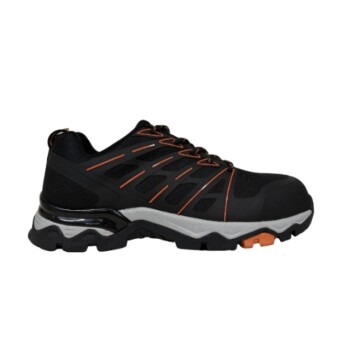
The integration of pressure and pulse sensors transforms safety footwear from passive protective gear into an active, intelligent life-saving system. By continuously monitoring physiological data and external forces, these sensors allow for "zero-operation" emergency response. This ensures that distress signals are dispatched automatically the moment an anomaly is detected, removing the need for a wearer to manually trigger an alarm during a crisis.
Core Takeaway: Smart safety footwear leverages real-time physiological and physical data to automate the detection of emergencies. This transition from manual to sensor-driven alerts eliminates human delay and ensures rapid response even when the wearer is incapacitated.
The Mechanics of Zero-Operation Alerts
Pulse Sensors and Physiological Distress
Pulse sensors monitor the wearer's heart rate to establish a baseline of normal activity. When a wearer experiences sudden physiological shock or physical trauma, their pulse typically exhibits sharp spikes or irregular patterns. The system recognizes these deviations as physiological anomalies, triggering an alert without the wearer needing to move a muscle.
Pressure Sensors and Physical Force Impact
Pressure sensors embedded in the sole and upper components measure external physical forces and weight distribution. These sensors can distinguish between normal walking and the high-impact forces associated with a fall or a violent encounter. By detecting sudden, extreme changes in pressure, the footwear identifies physical threats in real-time that would otherwise go unrecorded.
Optimizing Efficiency Through Anomaly Detection
Real-Time Data Synthesis
Automation efficiency is achieved by the simultaneous processing of both pulse and pressure data. An integrated algorithm analyzes these two data streams to confirm a high-stress event, significantly increasing the accuracy of the alert. This multi-sensor approach ensures that the system can differentiate between a heavy workload and a genuine emergency.
Eliminating the Human Factor
In high-risk scenarios, a worker may be unconscious or physically restrained, making manual alarm triggers impossible. Sensor-driven automation removes the "human bottleneck" by ensuring the distress signal is sent the moment the incident occurs. This reduces the "time-to-response" to the absolute minimum, which is often the most critical factor in emergency outcomes.
Understanding the Trade-offs
The Risk of False Positives
One primary challenge is the potential for false alarms triggered by non-emergency high-intensity activities. A worker sprinting or jumping may produce pulse and pressure readings similar to a physical struggle, requiring sophisticated filtering algorithms to prevent "alarm fatigue" among responders.
Technical Limitations and Maintenance
Integrated electronics introduce concerns regarding battery longevity and sensor durability in harsh industrial environments. The footwear must remain waterproof and impact-resistant, as any damage to the sensors or power source renders the automated safety features useless.
Implementing Smart Footwear for Maximum Safety
Choosing the right implementation strategy depends on the specific risks associated with your operational environment.
- If your primary focus is lone-worker protection: Prioritize footwear with high-sensitivity pulse sensors to ensure medical emergencies are detected immediately.
- If your primary focus is high-impact industrial safety: Opt for models with robust, multi-point pressure sensor arrays to accurately capture falls or equipment-related accidents.
- If your primary focus is reducing response times in large facilities: Ensure the footwear is integrated into a centralized monitoring system that provides real-time GPS coordinates alongside the sensor data.
By replacing manual intervention with automated, sensor-driven intelligence, smart safety footwear ensures that no emergency goes unnoticed.
Summary Table:
| Sensor Type | Data Monitored | Emergency Detection Mechanism | Key Benefit |
|---|---|---|---|
| Pulse Sensor | Heart rate & rhythm | Detects physiological shock or irregular spikes | Alerts when wearer is incapacitated |
| Pressure Sensor | Weight & impact force | Identifies falls, impacts, or violent encounters | Real-time physical threat detection |
| Integrated System | Combined data streams | Multi-sensor synthesis and anomaly filtering | Reduces false alarms & human delay |
Elevate Your Workforce Safety with 3515 Smart Footwear Solutions
As a premier large-scale manufacturer serving global distributors and brand owners, 3515 specializes in merging advanced technology with rugged durability. Our flagship Safety Shoes series is engineered to meet the highest industrial standards, while our extensive portfolio includes tactical boots, outdoor shoes, and formal footwear to serve all your bulk procurement needs.
Partner with us to provide your customers with "zero-operation" emergency response technology that saves lives. Let 3515 be your trusted partner in footwear innovation and manufacturing excellence.
Contact Our Experts Today to discuss your custom manufacturing requirements!
References
- Anshul Puraswani, Mr. R. M. Gharat. Women Safety Device. DOI: 10.48175/ijarsct-9755
This article is also based on technical information from 3515 Knowledge Base .
Related Products
- Premium Safety Shoes with Rotating Buckle Safety Sneakers
- Premium Wholesale Tactical Style Safety Shoes Boots with Quick Lacing
- Premium KPU Injection Athletic Style Safety Shoes
- Advanced KPU Athletic Safety Shoe with Steel Toe Cap Anti-Slip Rotary Lacing System
- Premium Lightweight Safety Shoes for Wholesale & Bulk Orders
People Also Ask
- Why should ergonomics and comfort be prioritized when selecting safety shoes? Boost Compliance & Worker Health
- What are the main safety features of S1-S5 shoes? The 3 Essential Protections Explained
- How do gait analysis algorithms ensure accuracy in footwear? Master Step Length Precision for Boots & Sneakers
- What role do specialized safety shoes play in preventing falls? Engineering Stability in Industrial Environments
- How do I choose the best safety shoes? Match Certified Features to Your Hazards