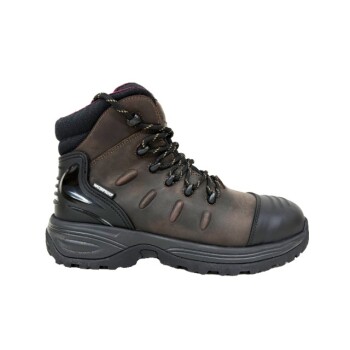
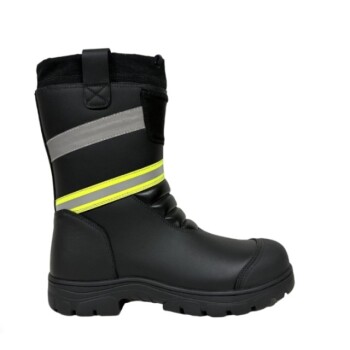
Beyond mere protection, modern oilfield boots are engineered as a complete support system for your feet. They achieve comfort during grueling 12-hour shifts not through a single feature, but through a combination of shock-absorbing midsoles, anatomically shaped footbeds, structural arch support, and breathable linings that manage the in-boot environment.
True comfort in an oilfield boot isn't about softness alone; it's a precisely engineered system designed to absorb shock, support your natural foot mechanics, and manage moisture and heat over the entire duration of your shift.
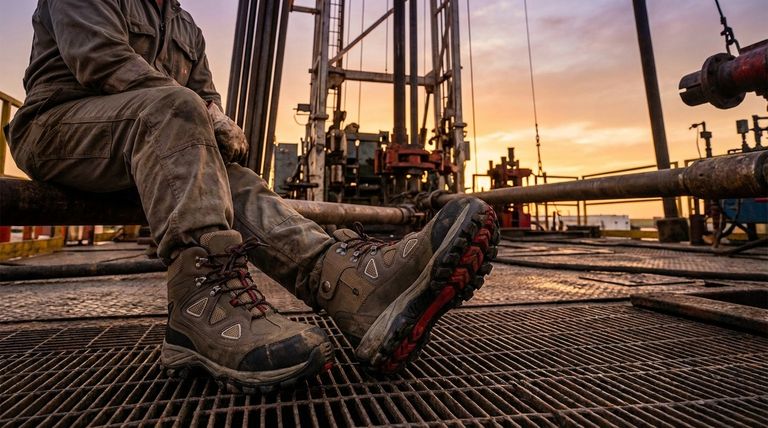
The Foundation: Absorbing Shock and Reducing Fatigue
The primary battleground for comfort is the constant impact your body endures on hard, unforgiving surfaces. A boot's ability to mitigate this force is the first line of defense against fatigue.
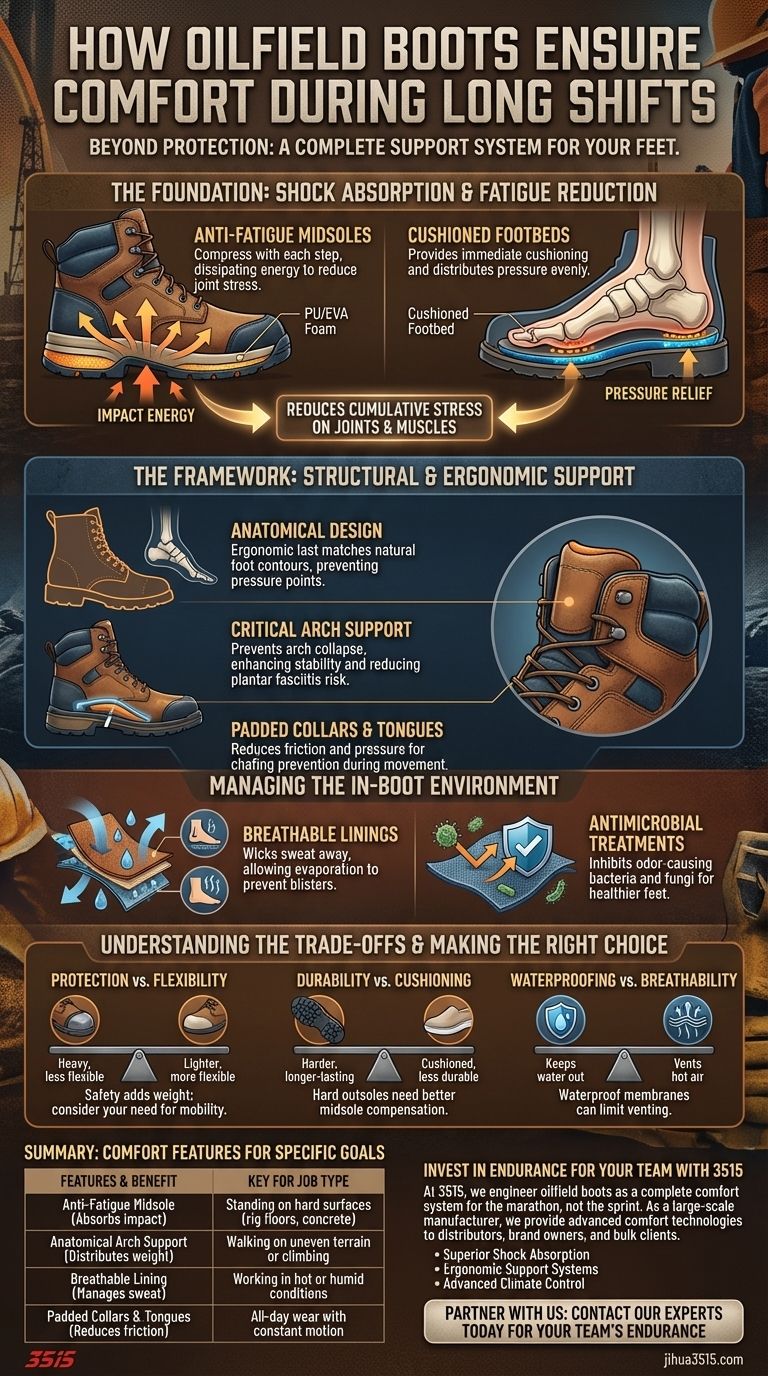
Anti-Fatigue Midsoles
The midsole is the core shock-absorbing layer between the rugged outsole and your foot. Materials like polyurethane (PU) or EVA foam compress with each step, dissipating impact energy that would otherwise travel up your legs and spine.
This constant absorption is what defines an "anti-fatigue" design, directly reducing the cumulative stress on your joints and muscles throughout the day.
Cushioned Footbeds
The footbed, or insole, is the layer your foot directly contacts. It provides immediate cushioning and helps distribute pressure evenly across the sole.
Modern footbeds often use materials that conform to the shape of your foot, providing targeted relief to high-pressure areas like the heel and ball of the foot.
The Framework: Structural and Ergonomic Support
Without proper structure, a soft boot would fail to prevent the strains and pains that come from unsupported movement. Ergonomic design ensures the boot works with your foot, not against it.
Anatomical Design
High-quality boots are built on an ergonomic or anatomical last (the mold that gives the boot its shape). This means the internal shape is designed to match the natural contours of the human foot.
This prevents unnatural pressure points, cramping, and rubbing, allowing your foot to sit in a neutral, supported position for hours on end.
Critical Arch Support
The arch is your foot's natural shock absorber. Arch support built into the boot's structure prevents this from collapsing under load, which is a primary cause of foot pain and conditions like plantar fasciitis.
Proper support ensures your weight is distributed correctly, enhancing stability and reducing strain on the ligaments in your feet.
Padded Collars and Tongues
The area around your ankle and lower shin is in constant motion. Padded collars and tongues reduce friction and pressure, preventing the chafing, rubbing, and irritation that can become debilitating over a long shift.
Managing the In-Boot Environment
A comfortable foot is a dry and healthy foot. Managing temperature and moisture is just as critical as providing cushioning and support.
Breathable Linings
Your feet sweat, and trapped moisture leads to blisters and skin breakdown. Breathable, moisture-wicking linings are essential for pulling sweat away from the skin and allowing it to evaporate.
This climate control helps maintain consistent comfort and is critical for overall foot health, especially in warm conditions.
Antimicrobial Treatments
Many high-quality linings are treated with an antimicrobial solution. This inhibits the growth of odor-causing bacteria and fungi, keeping your boots and feet healthier over the long term.
Understanding the Trade-offs
No single boot is perfect for every task. Understanding the inherent compromises is key to making an informed choice.
Protection vs. Flexibility
Safety features are non-negotiable, but they can impact comfort. A steel toe or metatarsal guard adds weight and reduces flexibility compared to a composite or non-safety toe boot.
Durability vs. Cushioning
The most durable outsole compounds are often harder and less forgiving. The boot's comfort depends on a well-engineered midsole to compensate for a rigid, long-lasting outsole.
Waterproofing vs. Breathability
A waterproof membrane is excellent for keeping water out, but it can limit a boot's ability to vent hot, moist air from the inside. This is a critical trade-off to consider based on your specific work environment.
Making the Right Choice for Your Goal
Your specific job function and foot type dictate which comfort features to prioritize.
- If your primary focus is standing on hard surfaces (e.g., rig floors, concrete): Prioritize boots with maximum shock absorption in the midsole and a well-cushioned footbed.
- If your primary focus is walking on uneven terrain or climbing: Look for excellent arch support, a rigid shank for stability, and strong ankle support from the boot's upper.
- If your primary focus is working in hot or humid conditions: Emphasize boots with proven moisture-wicking linings and overall breathability to manage sweat.
Choosing the right boot is a direct investment in your daily endurance and long-term physical health.
Summary Table:
| Comfort Feature | Primary Benefit | Key for Job Type |
|---|---|---|
| Anti-Fatigue Midsole | Absorbs impact, reduces joint stress | Standing on hard surfaces (rig floors, concrete) |
| Anatomical Arch Support | Distributes weight, prevents foot pain | Walking on uneven terrain or climbing |
| Breathable, Moisture-Wicking Lining | Manages sweat, prevents blisters | Working in hot or humid conditions |
| Padded Collars & Tongues | Reduces friction and chafing | All-day wear with constant motion |
Invest in Endurance for Your Team
Your crew's performance and well-being depend on the gear they trust every day. At 3515, we engineer oilfield boots that are more than just protective—they are a complete comfort system designed for the marathon, not the sprint.
As a large-scale manufacturer, we produce a comprehensive range of safety footwear for distributors, brand owners, and bulk clients. Our production capabilities encompass all types of boots built with the advanced comfort technologies detailed above.
Partner with us to provide your workforce with boots that deliver:
- Superior Shock Absorption to combat fatigue on hard surfaces.
- Ergonomic Support Systems for stability on uneven ground.
- Advanced Climate Control to keep feet dry and healthy.
Ready to equip your team with boots built for endurance? Contact our experts today to discuss your specific needs and explore our full catalog.
Visual Guide
Related Products
- Premium Oil Wax Leather Safety Boots for Bulk Purchase
- Durable Military Combat Boots with Water Drainage for Wholesale & OEM
- Premium Waterproof High-Cut Industrial Safety Boots for Wholesale and Bulk Orders
- Wholesale Lightweight Tactical Boots Custom Manufacturer for Desert & Combat Use
- High-Traction Suede Tactical Boots Wholesale & Custom Manufacturing
People Also Ask
- What materials are commonly used for outsoles in safety boots? A Guide to Durability, Grip, and Comfort
- How do safety boots reduce cutting hazards? Essential Protection for Your Workforce
- What are the common types of safety boots and their primary uses? A Guide to Industrial Footwear
- Which organizations develop safety standards for work boots? Ensure Compliance & Worker Safety
- What primary protective functions do professional safety boots provide in urban solid waste recovery and waste picking processes? Discover Dual-Layer Protection.