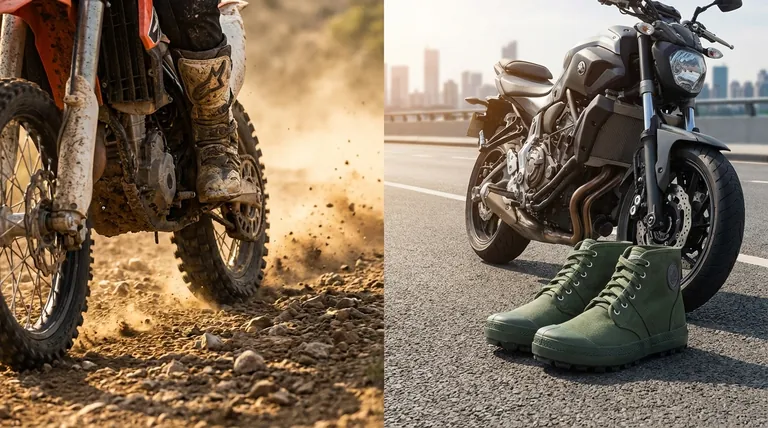
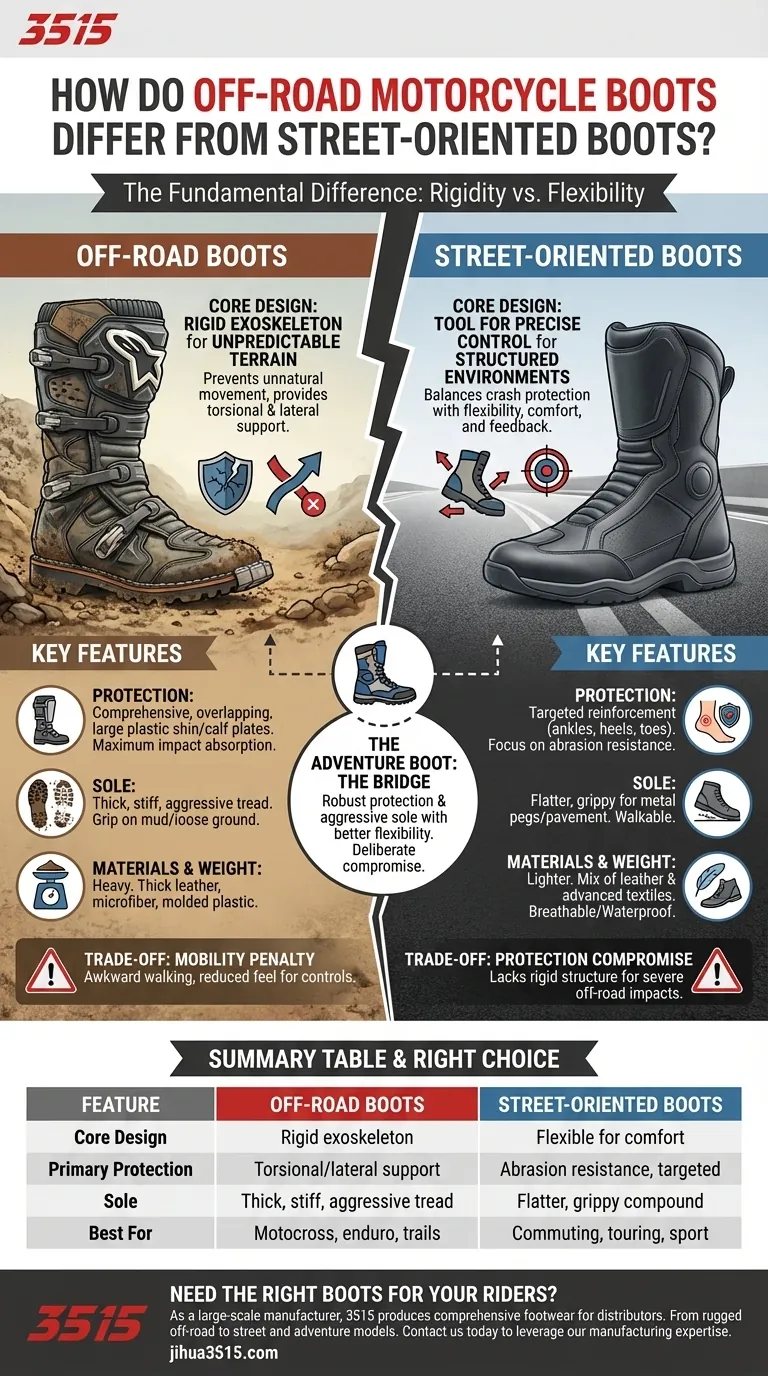
The fundamental difference is a matter of design philosophy driven by the environment. Off-road motorcycle boots are built as rigid, heavy exoskeletons to provide maximum protection against the high-impact, unpredictable nature of dirt, rocks, and uneven terrain. Street-oriented boots are engineered to balance targeted crash protection with the flexibility, comfort, and control feedback required for riding on pavement.
The core distinction is one of purpose: off-road boots are armor designed for survival in chaotic environments, while street boots are tools designed for precision and endurance in structured ones.
The Core Design Philosophy: Rigidity vs. Flexibility
The most significant divergence between these boot types is their structural integrity and how much movement they allow. This single factor influences nearly every other design choice.
Off-Road Boots: An Exoskeleton for Unpredictable Terrain
An off-road boot is engineered to prevent your foot and ankle from moving in unnatural ways. It provides immense torsional and lateral support to protect against the twisting forces common in a dirt crash.
This extreme stiffness is a feature, not a flaw. It shields the rider from impacts with rocks, ruts, and the bike itself during a fall. The entire structure is built around impact absorption and preventing hyper-extension.
Street Boots: A Tool for Precise Control
A street boot assumes a more predictable environment. Its primary role is to provide abrasion resistance and impact protection in a slide, while still allowing the rider to feel and operate the controls with precision.
They are significantly more flexible to allow for comfortable walking and subtle movements needed for shifting and braking. Features like breathable liners and waterproofing are common, catering to long-distance touring and commuting needs.
Key Feature Breakdown
The differing philosophies are evident in the specific components and construction of each boot type.
Protection Systems
Off-road boots feature comprehensive, overlapping protection. This includes large, hard plastic shin plates, extensive calf protection, and a rigid heel and toe box, all secured by a series of robust buckles.
Street boots use more targeted protection. They focus reinforcement on the ankles, heels, and toes—the most common impact zones in a road crash—while leaving other areas more flexible.
Sole Construction
The sole of an off-road boot is thick, stiff, and has an aggressive tread. It's designed for maximum grip on muddy footpegs and traction on loose, uneven ground when you have to put a foot down.
Street boot soles are designed for grip on metal pegs and paved surfaces. They are typically flatter and made of a compound that balances grip with the durability needed for walking.
Materials and Weight
Off-road boots are heavy by necessity. They utilize a combination of thick leather, microfiber, and large molded plastic panels to create their protective shell.
Street boots often use a mix of leather and advanced textiles to reduce weight and increase comfort. This construction provides excellent abrasion resistance without the bulk and rigidity of a dedicated off-road boot.
Understanding the Trade-offs
Choosing one style of boot for the wrong application introduces significant compromises in either safety or function.
The Mobility Penalty of Off-Road Boots
The very stiffness that protects you off-road becomes a liability on the street. Walking more than a few feet is often awkward and clumsy.
More importantly, the lack of ankle flex and the thick sole can numb the rider's feel for the rear brake and gear shifter, hindering precise control on a street bike.
The Protection Compromise of Street Boots
While excellent for road incidents, a typical street boot lacks the rigid structure to prevent the severe twisting and hyper-extension injuries that are common in low-speed off-road falls.
Their softer construction offers less protection from direct, sharp impacts from rocks or getting a foot trapped under the bike in a rut.
The Rise of the Adventure Boot
Adventure (ADV) boots exist to bridge this gap. They offer more robust protection and a more aggressive sole than a typical street boot, but with more flexibility and comfort than a full motocross boot. They represent a deliberate compromise for riders who tackle both pavement and trails.
Making the Right Choice for Your Riding
Your decision should be based on a realistic assessment of where you spend the vast majority of your time.
- If your primary focus is off-road riding (motocross, enduro, trails): Your only safe choice is a dedicated off-road boot that prioritizes maximum rigidity and impact protection.
- If your primary focus is pavement (commuting, touring, sport riding): Choose a street-oriented boot that offers certified protection with the comfort and flexibility needed for control and all-day wear.
- If your primary focus is a mix of road and light trails (adventure riding): A purpose-built adventure boot provides the best balance of protection for dirt and flexibility for the street.
Ultimately, choosing the right boot is about matching the equipment's core design philosophy to the demands of your environment.
Summary Table:
| Feature | Off-Road Boots | Street-Oriented Boots |
|---|---|---|
| Core Design | Rigid exoskeleton for impact protection | Flexible for comfort and control feedback |
| Primary Protection | Torsional/lateral support, hyper-extension prevention | Abrasion resistance, targeted ankle/heel/toe protection |
| Sole | Thick, stiff, aggressive tread for loose terrain | Flatter, grippy compound for pavement and pegs |
| Best For | Motocross, enduro, unpredictable trails | Commuting, touring, sport riding on pavement |
Need the Right Boots for Your Riders?
As a large-scale manufacturer, 3515 produces a comprehensive range of footwear for distributors, brand owners, and bulk clients. Our production capabilities encompass all types of motorcycle boots—from rugged off-road exoskeletons to comfortable street boots and versatile adventure models.
We can help you stock the perfect gear for your customers' specific riding needs.
Contact us today to discuss your requirements and leverage our manufacturing expertise.
Visual Guide
Related Products
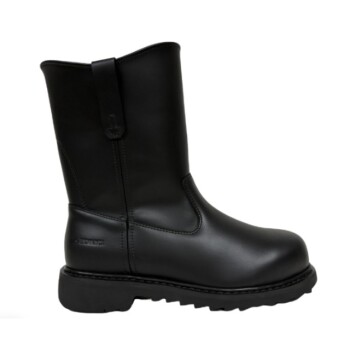
- Heavy-Duty Goodyear Welted Pull-On Safety Rigger Boot
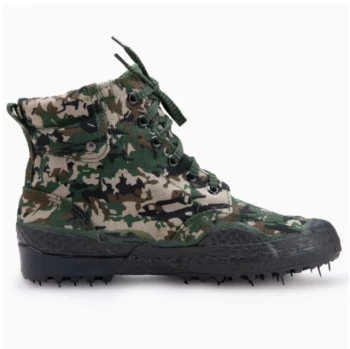
- Durable Spiked Camouflage Boots Wholesale & Factory Production
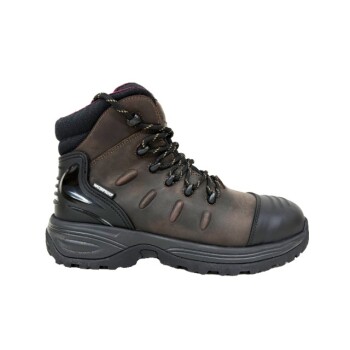
- High Performance Fire-Retardant Waterproof Safety Boots
- Durable Goodyear Welt Leather Work Boots for Wholesale & Private Label
- Wholesale Tactical Boots High-Traction & Reflective for Bulk & Brand Orders
People Also Ask
- What are the key elements of quality boot construction? Ensure Longevity & Performance
- Are Goodyear welted boots worth it? The Ultimate Guide to Lifelong Footwear
- What is a Goodyear welt on a boot? The Secret to Durable, Repairable Footwear
- What makes Goodyear Welt boots suitable for harsh environments? Unmatched Durability & Repairability
- What additional high-quality materials are used in Goodyear Welt boots? A Guide to Advanced Components