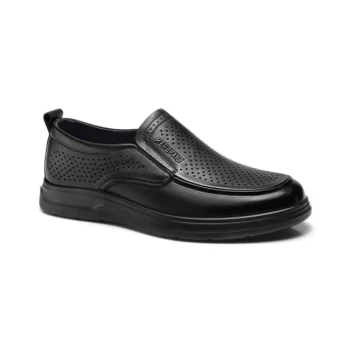
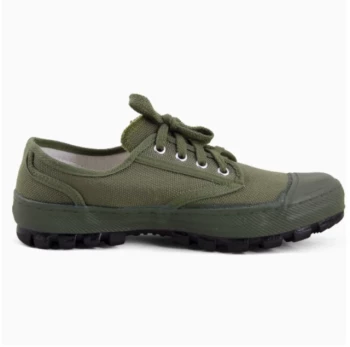
In short, non-slip shoes are specifically engineered to excel in wet conditions. Their entire design purpose is to provide superior traction and stability on surfaces that are wet, oily, or otherwise slippery. This specialized construction dramatically reduces the risk of slips and falls, making them exceptionally reliable in challenging environments.
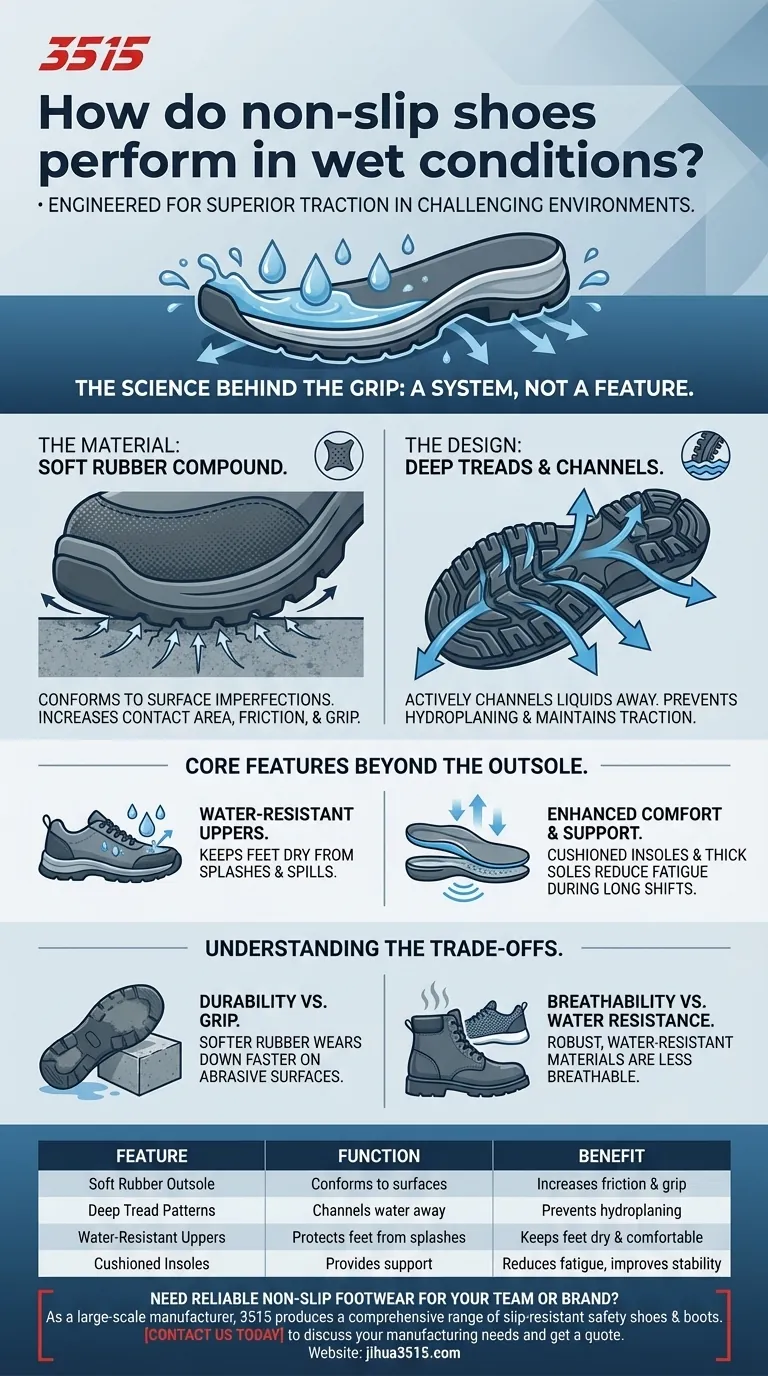
The effectiveness of a non-slip shoe is not a single feature, but a system. It relies on the interplay between a soft rubber outsole material and an intricate tread pattern designed to actively channel liquids away, ensuring maximum contact between the sole and the ground.
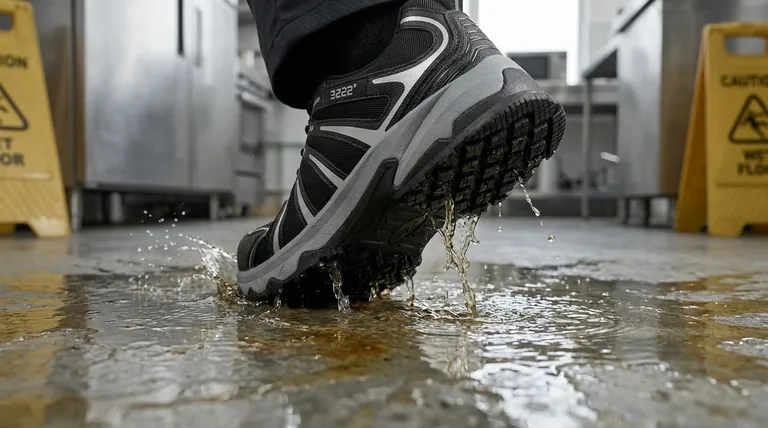
The Science Behind the Grip
To understand why these shoes are so effective, you must look at the specific engineering of their outsoles. Unlike standard footwear, every element is optimized to counteract the physics of slipping.
The Material: Softer Rubber is Key
Non-slip shoes almost always use outsoles made of a softer rubber or synthetic rubber compound.
This softer material has more "give," allowing it to better conform to the microscopic imperfections on a floor's surface. This increases the total surface area in contact with the ground, which in turn generates more friction and grip.
The Design: Deep Treads and Channeling Patterns
The intricate patterns on the bottom of a non-slip shoe are its most critical feature. These are not for style; they are functional channels.
These deep tread grooves work much like the treads on a car tire. They are designed to quickly move water, oil, and other liquids out and away from the bottom of the shoe. This prevents a layer of liquid from getting trapped, which would cause hydroplaning and a loss of traction.
Core Features Beyond the Outsole
While the outsole provides the grip, the rest of the shoe is built to enhance overall safety and comfort, particularly for people who spend long hours on their feet in hazardous areas.
Water-Resistant Uppers
Many non-slip models feature water-resistant materials for the main body of the shoe. This serves the obvious purpose of keeping your feet dry from splashes and spills, which is crucial for both comfort and preventing skin issues.
Enhanced Comfort and Support
Because they are common in workplaces like kitchens, hospitals, and warehouses, these shoes often include features like cushioned insoles and thick, supportive soles. This helps reduce foot, leg, and back fatigue during long shifts, which indirectly improves safety by keeping the wearer more alert and stable.
Understanding the Trade-offs
While highly effective, it's important to recognize the inherent trade-offs in the design of slip-resistant footwear.
Durability vs. Grip
The very thing that makes the outsole effective—its softness—can also be a weakness. Softer rubber compounds can wear down more quickly than the harder rubber found on standard shoes, especially if used frequently on abrasive surfaces like rough concrete or asphalt.
Breathability vs. Water Resistance
A shoe with a robust, water-resistant upper is excellent at keeping liquid out, but it will almost always be less breathable than a shoe made with mesh. In hot environments, this can lead to sweaty, uncomfortable feet if not managed properly with moisture-wicking socks.
"Resistant," Not "Proof"
The term "non-slip" or "slip-resistant" signifies a massive reduction in risk, but it does not eliminate it entirely. Extremely slick conditions, such as a thick layer of grease or a patch of smooth ice, can still overwhelm even the best outsole designs.
Making the Right Choice for Your Environment
Your specific needs should dictate the features you prioritize.
- If your primary focus is professional safety (e.g., kitchens, hospitals): Prioritize certified oil- and slip-resistant outsoles and features like cushioned insoles for all-day wear.
- If your primary focus is everyday walking in rainy weather: Look for a balance between a good slip-resistant outsole and a comfortable, water-resistant upper to keep your feet dry.
- If your primary focus is general stability on various surfaces: A versatile shoe with a quality rubber sole and a thoughtfully designed tread pattern will provide a significant safety upgrade over standard footwear.
Ultimately, understanding the technology behind non-slip shoes empowers you to choose the right tool to move with confidence, no matter the conditions underfoot.
Summary Table:
| Feature | Function | Benefit |
|---|---|---|
| Soft Rubber Outsole | Conforms to floor surfaces | Increases friction and grip |
| Deep Tread Patterns | Channels water and oil away | Prevents hydroplaning |
| Water-Resistant Uppers | Protects feet from splashes | Keeps feet dry and comfortable |
| Cushioned Insoles | Provides support for long shifts | Reduces fatigue and improves stability |
Need reliable non-slip footwear for your team or brand?
As a large-scale manufacturer, 3515 produces a comprehensive range of slip-resistant footwear for distributors, brand owners, and bulk clients. Our production capabilities encompass all types of safety shoes and boots, engineered with the precise materials and tread designs discussed in this article to ensure maximum protection in wet conditions.
We can help you equip your workforce with durable, comfortable, and highly effective safety footwear. Contact us today to discuss your manufacturing needs and get a quote.
Visual Guide
Related Products
- Advanced KPU Athletic Safety Shoe with Steel Toe Cap Anti-Slip Rotary Lacing System
- Premium Suede Sport Safety Shoes for Wholesale & Bulk Orders
- Durable High-Traction Canvas Sneakers Wholesale & Custom Manufacturing
- Heavy-Duty Waterproof Nubuck Safety Boots Safety Shoes for Bulk Supply
- Durable Goodyear Welt Leather Work Boots for Wholesale & Private Label
People Also Ask
- What are the key differences between steel toe and composite toe caps? Choose the Right Safety for Your Job
- What impact do steel toe caps have on toe skin health? Prevent Friction and Pressure in Your Safety Shoes
- What are the primary protective functions of safety shoes with steel toes in the automotive repair industry?
- What type of safety shoe is recommended for workers exposed to heavy machinery? Steel Toe Boots for Ultimate Protection
- How does defining specific friction interface models in FEA assist in predicting safety shoe toe cap failure modes?