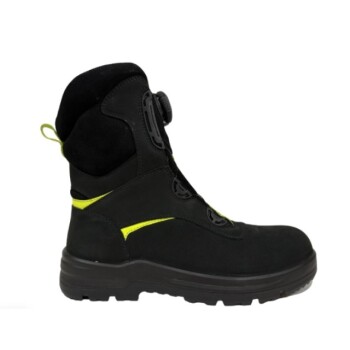
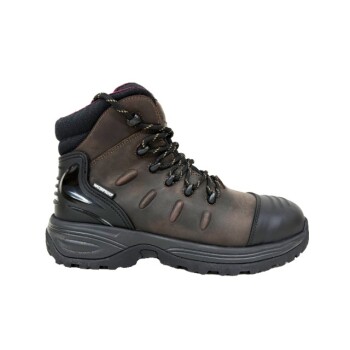
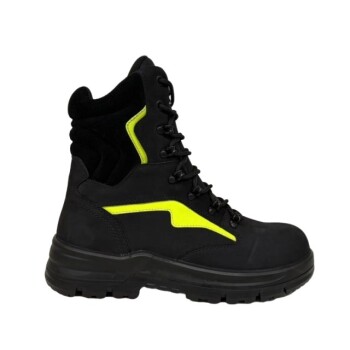
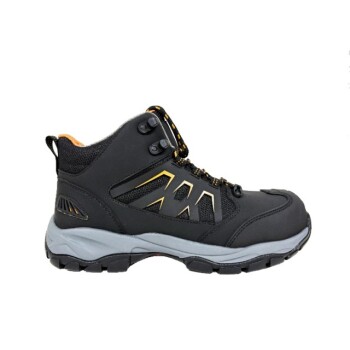
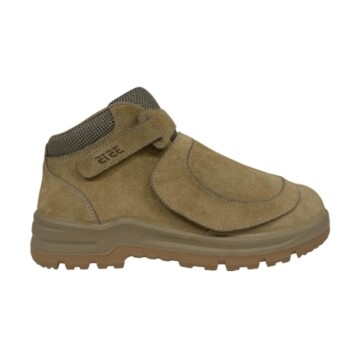
Safety footwear functions as a miniature environmental control system. By integrating internal ventilation channels and layered material strategies, these boots manage airflow and temperature much like industrial cabin systems. This engineering approach creates a stable internal microclimate, actively dissipating heat to ensure consistent comfort in extreme environments.
The core objective of this design is uniform thermal distribution. Just as industrial systems prevent overheating in machinery or cabins, these footwear features work together to eliminate localized hot spots and protect the foot from fluctuating external temperatures.
The Microclimate Control System
Mimicking Industrial Ventilation
Advanced safety footwear treats the inside of the boot as a confined space requiring active management. Internal ventilation channels are engineered to facilitate the movement of air around the foot. This mimics the airflow management principles used in large-scale industrial operations to keep environments stable.
Achieving Even Heat Dissipation
The primary function of these channels is to prevent heat from accumulating in static pockets. By promoting circulation, the design ensures even heat dissipation across the entire surface of the foot. This prevents the discomfort associated with stagnant, overheated air.
Strategic Material Layering
Preventing Localized Hot Spots
Alongside ventilation, strategic layering of materials acts as a thermal buffer. This stratification prevents the formation of localized hot spots, where friction or external heat sources might otherwise raise temperatures to uncomfortable levels. The layers work to spread thermal energy rather than letting it concentrate.
Protection in Deep-Level Zones
These strategies are particularly critical for deep-level industrial work zones. In these environments, temperatures can be extreme and fluctuate rapidly. The combination of layering and ventilation shields the wearer from these external variables, maintaining a controlled internal microclimate.
Understanding the Trade-offs
The Insulation vs. Ventilation Balance
While layering protects against external heat, it can inadvertently trap body heat if ventilation channels are obstructed or poorly designed. Effective footwear must strike a precise balance; too much insulation without adequate airflow results in moisture buildup.
Complexity and Maintenance
Footwear with intricate internal channels relies on those pathways remaining clear to function correctly. In highly particulate environments, blockage of external vents can compromise the internal airflow system, reducing the effectiveness of the thermal management features.
Making the Right Choice for Your Environment
To select the appropriate footwear, assess the specific thermal risks of your work zone.
- If your primary focus is extreme heat fluctuations: Prioritize footwear with robust material layering to buffer against rapid external temperature changes.
- If your primary focus is continuous physical exertion: Prioritize designs with aggressive internal ventilation channels to maximize heat dissipation and prevent moisture buildup.
True comfort comes from selecting gear that scientifically manages the interaction between your body heat and the external environment.
Summary Table:
| Feature | Industrial Principle | Primary Benefit |
|---|---|---|
| Internal Ventilation | Airflow Management | Promotes even heat dissipation & circulation |
| Layered Materials | Thermal Stratification | Buffers against external heat & prevents hot spots |
| Microclimate Control | Environmental Stabilization | Maintains stable internal temperature in extreme zones |
| Engineered Buffers | Heat Dissipation | Eliminates moisture buildup from physical exertion |
Elevate Your Fleet with Engineered Performance
At 3515, we understand that worker comfort is a critical safety factor. As a premier large-scale manufacturer serving global distributors and brand owners, we specialize in high-performance footwear that integrates advanced thermal management systems. Our flagship Safety Shoes series utilizes the same industrial airflow principles and layered material strategies discussed here to ensure maximum productivity in demanding environments.
From rugged work and tactical boots to specialized outdoor and training shoes, 3515 provides comprehensive production capabilities to meet your bulk requirements with precision and quality. Partner with us to deliver footwear that offers superior protection and scientific comfort.
Contact our team today to discuss your wholesale needs and explore our diverse footwear portfolio.
References
- Adam Wróblewski, Anna Janicka. CFD Analysis of the Forced Airflow and Temperature Distribution in the Air-Conditioned Operator’s Cabin of the Stationary Rock Breaker in Underground Mine under Increasing Heat Flux. DOI: 10.3390/en16093814
This article is also based on technical information from 3515 Knowledge Base .
Related Products
- Puncture-Resistant Velcro Safety Boots for Wholesale & Custom Manufacturing
- Wholesale Durable Safety Boots | Custom Steel Toe & Puncture-Resistant Manufacturing
- Premium Grain Leather Safety Boots for Bulk Supply
- Heavy-Duty Waterproof Nubuck Safety Boots Safety Shoes for Bulk Supply
- Premium High-Cut Waterproof Safety Boots Manufacturing & Wholesale Solutions
People Also Ask
- Why are industrial safety boots with steel toes necessary for machine operators? Essential Foot Protection for Safety
- What are the characteristics of steel toe safety boots? Maximum Protection, Key Trade-offs
- Is it true that steel toes can cause toes to get cut off? Debunking the Dangerous Myth
- What are the primary safety functions of safety boots with steel-toe designs? Essential Protection for Industry
- What do the symbols M, F, I, and C represent on safety toe boots? Decode ASTM F2413 for Maximum Protection