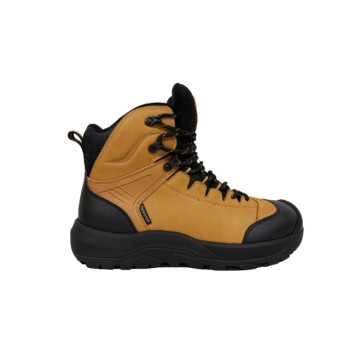
At their core, insulated snow boots enhance winter activities by creating a complete protective system for your feet. They are engineered not just for warmth, but to manage moisture from both inside and out while providing the stability needed to navigate challenging winter terrain safely and comfortably.
The true advantage of a dedicated snow boot lies in its synthesis of five key features: warmth, water resistance, breathability, durability, and traction. It's this combination that allows you to stay out longer, perform better, and remain safer in cold and snowy conditions.

The Core Components of Performance
A well-designed snow boot is more than just a warm covering. It's a piece of technical gear where several components work in concert to protect you from the elements.
Insulation: The Engine of Warmth
Insulation's primary job is to trap air, creating a thermal barrier between your foot and the cold ground and air. This significantly slows heat loss, keeping your feet warm even in freezing temperatures.
Water Resistance: The First Line of Defense
Staying dry is paramount to staying warm. High-quality snow boots use waterproof materials and construction methods to block external moisture from snow, slush, and ice, preventing the rapid heat loss that occurs when feet get wet.
Traction: Your Connection to the Ground
Winter surfaces are unpredictable and often slippery. An effective snow boot features a durable outsole with deep, aggressive lugs designed to grip snow and ice, providing critical stability and preventing dangerous slips and falls.
Breathability: Managing Internal Moisture
Often overlooked, breathability is crucial for comfort. Your feet sweat, and if that moisture is trapped, it will cool down and make your feet feel cold and clammy. Breathable materials allow this sweat vapor to escape, keeping your feet dry from the inside.
Durability: Built for Harsh Conditions
Winter environments are tough on footwear. Snow boots are constructed from rugged materials that resist abrasion, cracking in the cold, and the general wear and tear of walking through snow and ice.
Understanding the Trade-offs
Choosing the right boot means understanding the inherent balance between different features. No single boot is perfect for every possible situation.
Warmth vs. Weight
Heavier insulation provides more warmth, which is ideal for sedentary activities like ice fishing. However, this adds bulk and weight, which can feel cumbersome during active pursuits like hiking or snowshoeing.
Waterproofing vs. Breathability
The most effective waterproof barriers can sometimes limit breathability. The best modern boots use advanced membrane technology to strike a careful balance, keeping external water out while still allowing internal sweat to escape.
Function vs. Style
While many modern boots successfully blend both, a highly technical boot designed for extreme conditions will always prioritize performance and durability over aesthetics. A more casual boot may sacrifice some technical features for a more versatile, everyday look.
Matching the Boot to Your Activity
To get the most out of your footwear, select a boot that aligns directly with your intended use.
- If your primary focus is casual wear and light activity (like shoveling or commuting): Prioritize moderate insulation, reliable water resistance, and overall comfort.
- If your primary focus is active recreation (like winter hiking): Seek a balance of excellent traction, robust durability, and high breathability to manage sweat.
- If your primary focus is extreme cold or stationary activity (like ice fishing): Maximize the insulation rating and ensure complete waterproofing, as you will not be generating much body heat.
Ultimately, choosing the right insulated boot transforms winter from a season to be endured into one to be enjoyed.
Summary Table:
| Feature | How It Enhances Your Winter Experience |
|---|---|
| Insulation | Traps body heat to keep feet warm in freezing temperatures. |
| Water Resistance | Blocks external moisture from snow and slush to prevent heat loss. |
| Traction | Provides stability and prevents slips on icy, unpredictable surfaces. |
| Breathability | Manages sweat to keep feet dry and comfortable from the inside out. |
| Durability | Withstands the harsh wear and tear of winter environments. |
Ready to Find Your Perfect Winter Boot?
As a large-scale manufacturer, 3515 produces a comprehensive range of high-performance insulated footwear for distributors, brand owners, and bulk clients. Whether you need boots for casual wear, active recreation, or extreme cold, our production capabilities encompass all types of durable, warm, and waterproof shoes and boots.
Let us help you equip your customers for winter. Contact our team today to discuss your specific needs and discover how we can deliver quality and value to your business.
Visual Guide

Related Products
- Premium Insulated Safety Boots and Shoes for Wholesale & Bulk Orders
- Factory Direct Wholesale Rain Boots Durable Waterproof & Fully Customizable
- Durable Waterproof Rain Boots | Custom Manufacturer for Wholesale & Brands
- Wholesale Waterproof Tactical Boots Custom Suede & High-Traction Soles
- High Performance Fire-Retardant Waterproof Safety Boots
People Also Ask
- What are the recommended insulation ratings for mild winter conditions? A Guide for Active & Stationary Workers
- How does insulation thickness correlate with temperature ranges? A Guide to Choosing the Right Warmth
- What insulation level is needed for severe cold and stationary work? 1200g or Higher is Essential
- What safety advantages do insulated boots offer beyond warmth? Dielectric Protection & Superior Grip
- How does fleece lining contribute to the warmth of insulated boots? Trapping Air for Superior Cold Protection