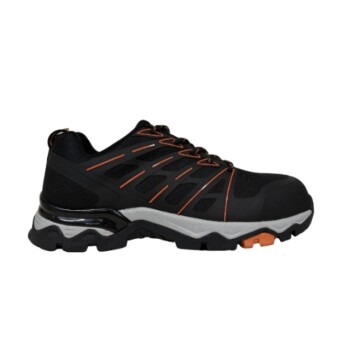
High-quality safety shoes contribute to resource conservation primarily by utilizing wear-resistant materials and robust construction to significantly extend the product's usable life. This increased durability directly breaks the cycle of frequent replacement, reducing the aggregate demand for raw material extraction and minimizing the environmental footprint associated with manufacturing new inventory.
Extending the service life of safety footwear is a foundational method for implementing resource sufficiency. By reducing the frequency of replacement, high-quality gear directly curbs over-purchasing behaviors and alleviates the pressure on natural resources required for production.
The Mechanics of Product Longevity
High-Performance Materials
The foundation of a durable safety shoe lies in its components. High-quality footwear utilizes wear-resistant and tear-resistant materials specifically engineered to withstand harsh industrial environments. By resisting physical degradation, these materials ensure the shoe maintains its protective integrity for a longer period.
Stable Construction Processes
Material quality alone is insufficient without superior assembly. High-quality shoes employ stable construction processes that ensure the bond between the sole, upper, and safety elements remains secure under stress. This prevents premature structural failure, which is a common cause of early disposal in lower-quality alternatives.
The Impact on Resource Conservation
Reducing Replacement Frequency
The most direct impact of longevity is the reduction of turnover. When a safety shoe has a longer service life, the user does not need to purchase replacements as often. This shift drastically lowers the volume of footwear that must be produced, shipped, and eventually discarded over a given timeframe.
Lowering Extraction Pressure
Every pair of shoes requires the extraction of natural resources, such as petroleum for synthetics, rubber, or leather. By extending the life of a single pair, you effectively lower the pressure on natural resource extraction. This upholds the principle of consumption reduction by ensuring that the resources already extracted are utilized to their maximum potential.
Curbing Over-Purchasing
In the footwear industry, frequent failure leads to a habit of over-purchasing to ensure availability. Durable, reliable footwear curbs this behavior. It allows procurement managers and individuals to rely on their existing gear, shifting the focus from constant acquisition to resource sufficiency.
Understanding the Trade-offs
Initial Investment vs. Lifecycle Value
While high-quality safety shoes conserve resources, they often require a higher upfront financial investment. Organizations must be willing to absorb this initial cost to realize the long-term environmental and economic benefits. The focus must shift from the price per pair to the cost per month of service.
Maintenance Requirements
Longevity is not solely a product of manufacturing; it requires user cooperation. Even the highest quality materials can degrade if subjected to neglect. To maximize the resource conservation potential, users must adhere to basic care protocols, meaning durability is a partnership between the manufacturer's quality and the user's maintenance.
Making the Right Choice for Your Goals
To leverage safety footwear for sustainability, align your procurement strategy with your environmental targets.
- If your primary focus is Environmental Sustainability: Prioritize footwear with proven tear-resistant materials to maximize the time between manufacturing cycles and reduce raw material dependency.
- If your primary focus is Cost Efficiency: Shift your metric from purchase price to "total cost of ownership," as longer-lasting shoes often present a lower long-term cost despite the higher initial price tag.
Investing in durability is the most practical step you can take to align industrial safety with environmental stewardship.
Summary Table:
| Factor | High-Quality Safety Shoes | Standard Alternatives |
|---|---|---|
| Material Durability | High wear & tear resistance | Prone to degradation |
| Replacement Cycle | Infrequent (Extended life) | Frequent (Short-term use) |
| Resource Impact | Lowers extraction pressure | High raw material demand |
| Cost Metric | Lower cost per month of service | Lower initial purchase price |
| Environmental Value | High resource sufficiency | High disposal & waste volume |
Partner with 3515 for Durable Footwear Solutions
As a large-scale manufacturer serving global distributors and brand owners, 3515 delivers the engineering excellence required to meet your sustainability and safety goals. Our flagship Safety Shoes series is built for extreme longevity, ensuring your clients benefit from reduced replacement costs and superior resource conservation.
Our comprehensive production capabilities include:
- Safety & Tactical: High-performance work and tactical boots built for durability.
- Athletic & Outdoor: Rugged outdoor shoes, training shoes, and sneakers.
- Professional: Dress & Formal shoes designed for diverse bulk requirements.
Ready to elevate your inventory with products that last? Contact us today to discuss your bulk manufacturing needs and discover the value of partnering with an industry leader.
References
- Sara Karimzadeh, Magnus Boström. Ethical consumption in three stages: a focus on sufficiency and care. DOI: 10.1080/23251042.2023.2277971
This article is also based on technical information from 3515 Knowledge Base .
Related Products
- Premium Suede Sport Safety Shoes for Wholesale & Bulk Orders
- Premium Lightweight Safety Shoes for Wholesale & Bulk Orders
- Wholesale Anti-Smash & Puncture-Proof Safety Shoes Custom Manufacturing for Brands
- Premium KPU Injection Athletic Style Safety Shoes
- Premium Safety Shoes with Rotating Buckle Safety Sneakers
People Also Ask
- What are the primary functions of professional safety shoes? Maximize Safety in Water Supply Confined Spaces
- What industries have specific OSHA footwear requirements? Ensure Compliance & Protect Your Workforce
- What role do specialized safety shoes play in preventing falls? Engineering Stability in Industrial Environments
- What are the main components of safety shoes? A Guide to Protective Footwear Design
- Why are customized foot sensors or professional safety shoes incorporated into biomechanical testing? Precision Insights