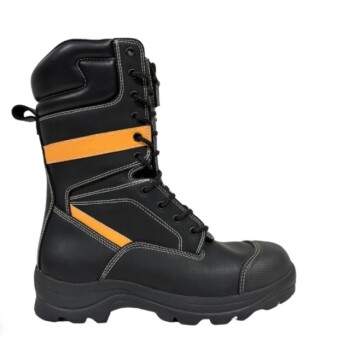
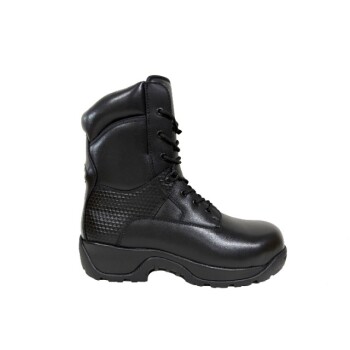
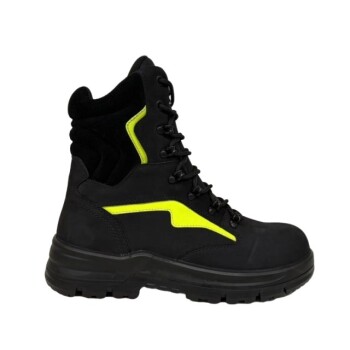
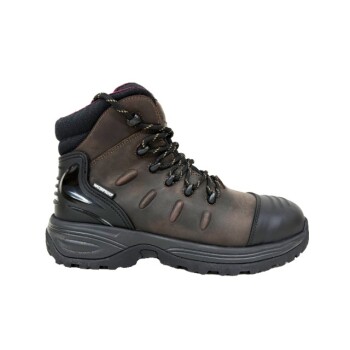
Chemical-resistant materials function as an impermeable physical barrier. During the pesticide mixing phase, these materials prevent highly concentrated, toxic liquids from permeating through footwear and gloves to reach the worker's skin. This physical blockage is the primary defense against immediate exposure during the most hazardous stage of chemical handling.
The mixing phase involves pesticides in their most concentrated and toxic form. Chemical-resistant gear provides an essential, non-porous shield that stops these potent liquids from causing skin damage or systemic toxicity.
The High-Stakes Nature of Mixing
The mixing and loading phase represents the point of highest potential danger in the pesticide application process.
Handling Concentrated Agents
During this phase, chemicals are in their most concentrated form. Because they have not yet been diluted for application, their toxicity levels are at their peak.
The Consequence of Spills
The manipulation of liquid concentrates increases the likelihood of accidental spills. Without specialized protection, these high-strength chemicals can make direct contact with the skin immediately.
How the Protective Barrier Works
To counter the risks of concentrated liquids, protective footwear and gloves utilize specific material properties.
Non-Porous Physical Barriers
Chemical-resistant gear acts as a non-porous physical barrier. The material structure is designed to have no gaps or pores that would allow liquids to pass through.
Preventing Permeation
The core function of this gear is to stop permeation. By physically blocking the liquid from soaking through the material, the worker's skin remains isolated from the toxic agent.
Critical Risks and Considerations
While the protective mechanism is straightforward, understanding the consequences of barrier failure is vital.
Localized Skin Damage
If the barrier is compromised or absent, the immediate result can be severe. This ranges from skin irritation to acute allergic reactions caused by direct chemical burns.
The Threat of Systemic Toxicity
The most severe risk is systemic toxicity. When concentrated chemicals penetrate the skin, they can enter the bloodstream, causing poisoning that affects the entire body rather than just the contact site.
Ensuring Safety During Preparation
To maximize safety during the mixing and loading of pesticides, consider the following based on your safety priorities:
- If your primary focus is preventing local injury: Prioritize non-porous gloves and footwear to stop concentrated liquids from causing immediate skin irritation and burns.
- If your primary focus is long-term health: Ensure your gear offers a certified permeation barrier to prevent systemic toxicity from chemicals entering the bloodstream.
The right material acts as a definitive wall between a worker and the highest toxicity levels they will encounter.
Summary Table:
| Protection Feature | Functionality | Safety Benefit |
|---|---|---|
| Non-Porous Barrier | Blocks concentrated liquid passage | Prevents immediate skin contact and chemical burns |
| Permeation Resistance | Stops chemical soaking through material | Reduces risk of systemic toxicity and blood poisoning |
| Structural Integrity | Resists degradation from toxic agents | Ensures durability during high-risk loading phases |
Partner with 3515 for Professional-Grade Chemical Protection
As a premier large-scale manufacturer serving global distributors and brand owners, 3515 specializes in high-performance footwear engineered for the toughest environments. Our flagship Safety Shoes series is built with advanced impermeable materials to safeguard workers against hazardous chemical exposure and systemic risks.
Whether you need specialized work boots, tactical gear, or industrial sneakers, 3515 offers comprehensive production capabilities to meet your bulk requirements with certified quality. Contact our expert team today to discuss your wholesale needs and discover how our manufacturing excellence can add value to your footwear brand.
References
- Roba Argaw Tessema, Balázs Ádám. Occupational and environmental pesticide exposure and associated health risks among pesticide applicators and non-applicator residents in rural Ethiopia. DOI: 10.3389/fpubh.2022.1017189
This article is also based on technical information from 3515 Knowledge Base .
Related Products
- Premium Suede Sport Safety Shoes for Wholesale & Bulk Orders
- Wholesale Durable Safety Boots | Custom Steel Toe & Puncture-Resistant Manufacturing
- Premium Safety Shoes with Rotating Buckle Safety Sneakers
- Premium Flame-Retardant Waterproof Safety Boots and Shoes
- Wholesale Customizable Safety Boots Durable & Protective Footwear Manufacturing
People Also Ask
- What are the primary functions of professional safety shoes? Maximize Safety in Water Supply Confined Spaces
- What industries have specific OSHA footwear requirements? Ensure Compliance & Protect Your Workforce
- What role do specialized safety shoes play in preventing falls? Engineering Stability in Industrial Environments
- How do gait analysis algorithms ensure accuracy in footwear? Master Step Length Precision for Boots & Sneakers
- Why wear protective masks, gloves, and safety shoes in 5S Shine? Elevate Safety and Discipline