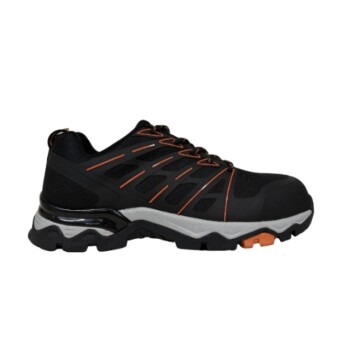
Monitoring safety shoe usage transforms routine inspections into a strategic data engine by quantifying PPE compliance and equipment integrity. By tracking the provision, physical condition, and actual usage of safety footwear, organizations generate objective metrics that serve as Key Performance Indicators (KPIs). These KPIs allow management to move beyond anecdotal observations and instead use hard data to evaluate the effectiveness of safety training and supervision frameworks.
Utilizing safety shoe metrics as a KPI shifts safety management from reactive observation to proactive, data-driven planning. This approach identifies systemic gaps in supervision and provides a clear roadmap for improving long-term safety production strategies.
Quantifying Compliance Through Physical Audits
Tracking Provision and Availability
The first layer of the KPI involves measuring whether the organization has successfully provided the necessary footwear to all required personnel. Provision metrics reveal the efficiency of your procurement and distribution chain, ensuring that "protection gaps" do not exist due to lack of equipment.
Evaluating the Physical Integrity of Footwear
A safety shoe only provides protection if it is in good working order. By auditing the wear condition during inspections, you create a KPI for equipment replacement cycles and identify environments that may be causing premature degradation of safety gear.
Assessing the Real-Time Application of Safety Protocols
The most critical metric is correct usage, which measures whether employees are wearing their shoes properly in designated zones. This data point serves as a direct reflection of the workforce's safety culture and their adherence to established operational standards.
Leveraging Shoe Data for Strategic Management
Measuring the Efficacy of Safety Training
High rates of incorrect usage or poor shoe maintenance often point to failures in the safety training program. If the KPI shows frequent non-compliance despite equipment being provided, it indicates that the training content is not resonating or is not being understood by the staff.
Validating Supervision Mechanisms
Safety shoe KPIs act as a report card for frontline supervision. Consistent compliance in specific departments suggests strong local leadership, while high failure rates in others highlight where supervisory oversight may need to be reinforced or redesigned.
Informing Future Safety Production Planning
Aggregated data from these inspections provides an objective basis for long-term planning. By analyzing trends in shoe wear and usage, management can more accurately forecast PPE budgets and refine safety protocols to address specific recurring risks.
Understanding the Trade-offs and Limitations
The Risk of KPI Tunnel Vision
Focusing too heavily on a single KPI, such as safety shoe usage, can lead to tunnel vision where other critical safety hazards are overlooked. It is vital to remember that shoe compliance is a proxy for safety culture, not the entirety of it.
Data Accuracy vs. Performance Pressure
When safety metrics are used for performance reviews, there is a risk of "pencil-whipping" or falsified reporting. Inspectors may be tempted to overlook minor infractions to keep department scores high, which compromises the integrity of the safety data and the resulting planning.
How to Integrate Footwear Metrics into Your Safety Strategy
To effectively use safety shoe monitoring as a KPI, you must align the data collection with your organization’s broader operational objectives.
- If your primary focus is improving safety culture: Use usage data to identify "safety champions" and departments that require more engaging, behavior-based training.
- If your primary focus is operational efficiency: Analyze wear-and-tear data to optimize your PPE procurement schedules and select shoe models better suited to your specific floor conditions.
- If your primary focus is regulatory compliance: Maintain rigorous documentation of provision and condition audits to provide an objective audit trail for external inspectors.
By treating safety shoe usage as a sophisticated KPI rather than a simple checklist item, you empower your organization to make smarter, evidence-based decisions that protect your most valuable assets.
Summary Table:
| KPI Focus Area | Metric Measured | Strategic Benefit |
|---|---|---|
| Provision Rate | Equipment availability & distribution | Eliminates protection gaps in procurement |
| Physical Integrity | Wear-and-tear & condition audits | Optimizes replacement cycles & PPE budgeting |
| Usage Compliance | Correct real-time application | Measures safety culture & training efficacy |
| Supervisory Data | Departmental compliance rates | Identifies leadership gaps & training needs |
Partner with 3515 for Reliable Bulk Footwear Solutions
Elevate your product offering with high-performance footwear from 3515. As a large-scale manufacturer serving distributors and brand owners, we provide comprehensive production capabilities for all footwear types, anchored by our flagship Safety Shoes series.
Our extensive portfolio—ranging from work and tactical boots to outdoor, training, and formal shoes—is designed to meet diverse bulk requirements with uncompromising quality. Let us help you strengthen your supply chain and provide your customers with superior protection.
Contact 3515 Today to Discuss Your Bulk Requirements
References
- A. Nimo-Boakye. Reviewing Measuring Health And Safety Management Performance In The Construction Industry. DOI: 10.26437/ajar.03.2022.25
This article is also based on technical information from 3515 Knowledge Base .
Related Products
- Premium Suede Sport Safety Shoes for Wholesale & Bulk Orders
- Premium Lightweight Safety Shoes for Wholesale & Bulk Orders
- Wholesale Anti-Smash & Puncture-Proof Safety Shoes Custom Manufacturing for Brands
- Premium KPU Injection Athletic Style Safety Shoes
- Premium Safety Shoes with Rotating Buckle Safety Sneakers
People Also Ask
- What industries have specific OSHA footwear requirements? Ensure Compliance & Protect Your Workforce
- What are the primary functions of professional safety shoes? Maximize Safety in Water Supply Confined Spaces
- What role do specialized safety shoes play in preventing falls? Engineering Stability in Industrial Environments
- Why are customized foot sensors or professional safety shoes incorporated into biomechanical testing? Precision Insights
- What happens during the cutting stage of safety shoes manufacturing? Precision, Process & Quality