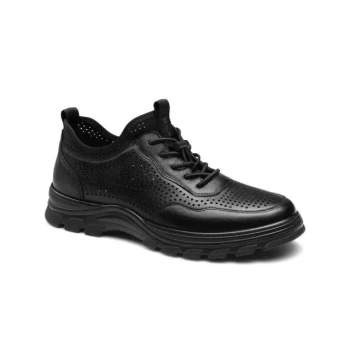
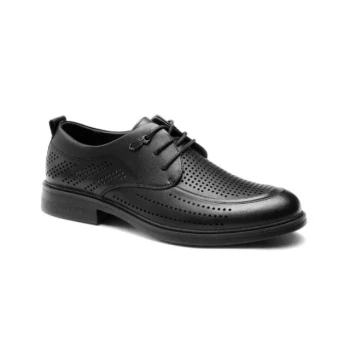
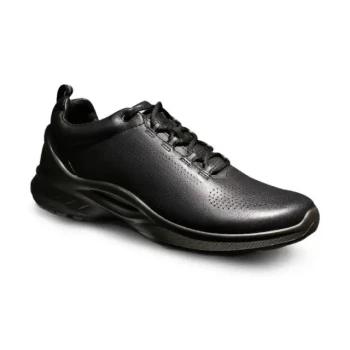
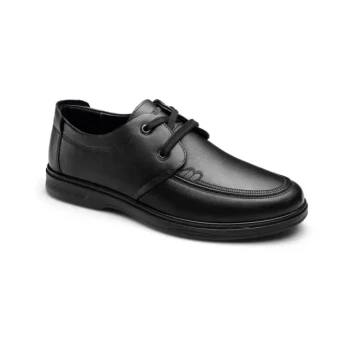
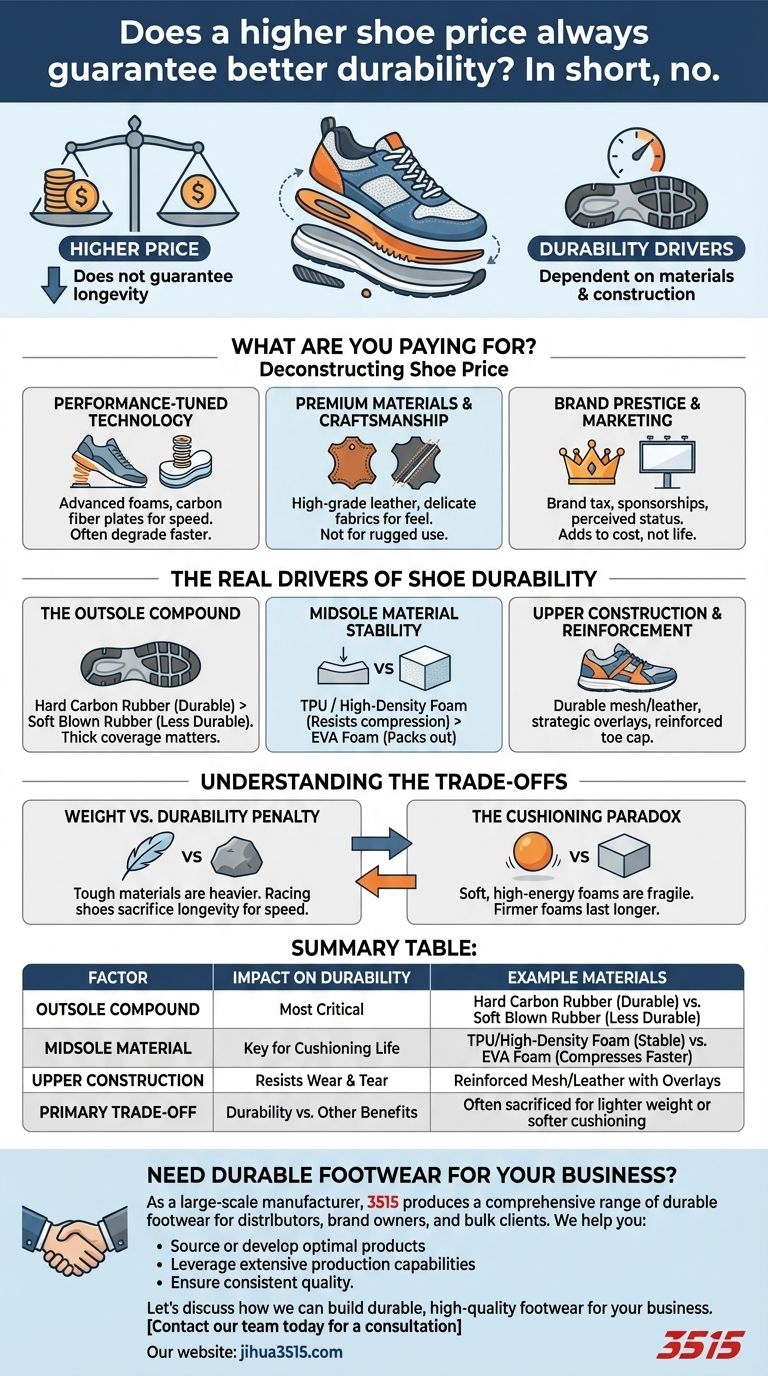
In short, no. A higher price tag on a shoe is not a reliable guarantee of better durability. While some expensive shoes are indeed built to last, many prioritize other factors like cutting-edge performance technology, luxury materials, or brand prestige, which can sometimes come at the expense of long-term wear.
Price is more often a reflection of specialized technology, brand prestige, and manufacturing complexity rather than a simple indicator of how long a shoe will last. True durability is found in the specific materials and construction methods used, not the number on the price tag.
What Are You Paying For? Deconstructing Shoe Price
Understanding why a shoe is expensive is the key to determining if it will be durable. The cost is often a composite of several factors that have little to do with raw longevity.
Performance-Tuned Technology
Many elite running and sports shoes carry a high price because of their advanced midsole foams and propulsion systems.
These components, like super-responsive foams or carbon fiber plates, are engineered for maximum energy return and speed. They are high-performance engines, not all-terrain tires, and often degrade more quickly than standard materials.
Premium Materials and Craftsmanship
In the world of luxury and fashion footwear, you pay for the quality and feel of the materials, not their ruggedness.
High-grade leathers, exotic skins, or delicate fabrics are chosen for their aesthetic appeal and comfort. The intricate stitching and hand-finishing add to the cost but don't necessarily make the shoe more resistant to scuffs, water, or daily abuse.
Brand Prestige and Marketing
A significant portion of a shoe's cost can be attributed to the brand itself.
This "brand tax" covers everything from multi-million dollar athlete sponsorships and advertising campaigns to the perceived value and status associated with the logo.
The Real Drivers of Shoe Durability
If price isn't the best metric, what is? Durability comes down to tangible elements of the shoe's construction.
The Outsole Compound
The rubber that meets the road is the single most critical factor for wear resistance.
Durable shoes often use harder, denser carbon rubber, especially in high-impact zones like the heel. Less durable, but lighter and grippier, shoes may use softer blown rubber. A shoe with extensive, thick outsole coverage will almost always outlast one with significant exposed midsole foam.
Midsole Material Stability
The midsole provides cushioning, and its lifespan is crucial to the shoe's functional durability.
Traditional EVA foam is lightweight and comfortable but can "pack out" or compress permanently over time. More stable compounds like TPU or higher-density proprietary foams may feel firmer but resist compression for much longer, extending the usable life of the shoe.
Upper Construction and Reinforcement
The shoe's upper holds your foot, and its construction dictates its resistance to tearing and stretching.
Look for durable mesh, well-constructed leather, or synthetic materials with strategic overlays and reinforcements. A reinforced toe cap and a structured heel counter not only provide support but also add significant durability to common wear points.
Understanding the Trade-offs
Choosing a shoe often involves balancing competing priorities. Durability is frequently one of the factors that gets traded for another benefit.
The Weight vs. Durability Penalty
There is a direct correlation between weight and durability. The toughest, most resilient materials are almost always heavier.
Racing shoes, for example, strip away every possible gram of heavy outsole rubber and upper reinforcement to maximize speed, knowingly sacrificing longevity in the process.
The Cushioning Paradox
The softest, bounciest, and most energy-efficient foams are often the most fragile.
These high-tech compounds provide an incredible feel and performance for a limited number of miles before their cellular structure begins to break down. A daily trainer's firmer, more stable foam is built to absorb impact for a much longer period.
Making the Right Choice for Your Goal
Instead of using price as your guide, assess a shoe based on its intended purpose and your primary need.
- If your primary focus is maximum longevity: Look for shoes with full-coverage carbon rubber outsoles, simple and reinforced uppers, and stable, firmer midsole foams.
- If your primary focus is peak race-day performance: Accept that you are trading long-term durability for low weight and high energy return from specialized foams.
- If your primary focus is fashion or luxury: Understand that you are paying for premium materials, brand name, and craftsmanship, which do not equate to all-weather ruggedness.
Focusing on the materials and construction, not the price, empowers you to find a shoe that truly serves your goal.
Summary Table:
| Factor | Impact on Durability | Example Materials |
|---|---|---|
| Outsole Compound | Most Critical | Hard Carbon Rubber (Durable) vs. Soft Blown Rubber (Less Durable) |
| Midsole Material | Key for Cushioning Life | TPU/High-Density Foam (Stable) vs. EVA Foam (Compresses Faster) |
| Upper Construction | Resists Wear & Tear | Reinforced Mesh/Leather with Overlays |
| Primary Trade-off | Durability vs. Other Benefits | Often sacrificed for lighter weight or softer cushioning |
Need Durable Footwear for Your Business?
As a large-scale manufacturer, 3515 produces a comprehensive range of durable footwear for distributors, brand owners, and bulk clients. Our expertise lies in selecting the right materials and construction methods to build shoes that last, tailored to your specific market needs.
We help you:
- Source or develop products with optimal durability for your target audience.
- Leverage extensive production capabilities across all types of shoes and boots.
- Ensure consistent quality and reliability for your brand.
Let's discuss how we can build durable, high-quality footwear for your business.
Contact our team today for a consultation
Visual Guide
Related Products
- Wholesale Durable Camouflage Canvas Shoes with High-Traction Cleated Rubber Sole
- Advanced KPU Athletic Safety Shoe with Steel Toe Cap Anti-Slip Rotary Lacing System
- Wholesale Modern Perforated Leather Derby Shoes with Chunky Sole for Custom Branding
- Wholesale Modern Business Shoes with Dial Closure System for Bulk Orders
- Factory Direct Wholesale Leather Comfort Shoes with Dial Closure
People Also Ask
- Why is the selection of high-strength fabric materials necessary in the production of canvas shoes and training shoes?
- What are the properties of canvas as a shoe material? A Guide to Lightweight Comfort & Style
- Can canvas shoes be worn in rainy conditions? The Truth About Water Resistance
- What are some examples of vulcanized shoes? Discover the Flexibility and Board Feel of Classic Sneakers
- What are the characteristics of canvas as a shoe material? A Guide to Lightweight, Breathable Footwear