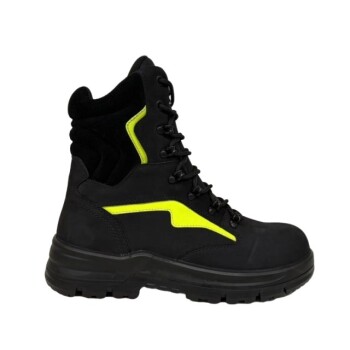
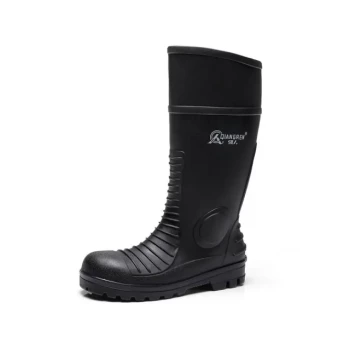
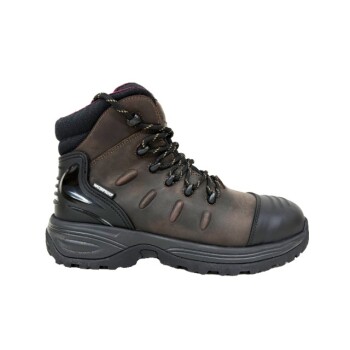
Yes, there are absolutely work boots designed for women that accommodate a range of medical conditions and foot issues. These specialized boots go beyond standard safety features by integrating orthopedic support, advanced cushioning, and more generous fits to alleviate pain and provide lasting comfort throughout the workday.
The primary challenge is not finding a specialized boot, but understanding which specific design features align with your medical needs. A boot designed for plantar fasciitis will have different priorities than one built for someone with bunions or diabetes.

Why Standard Boots Often Fall Short
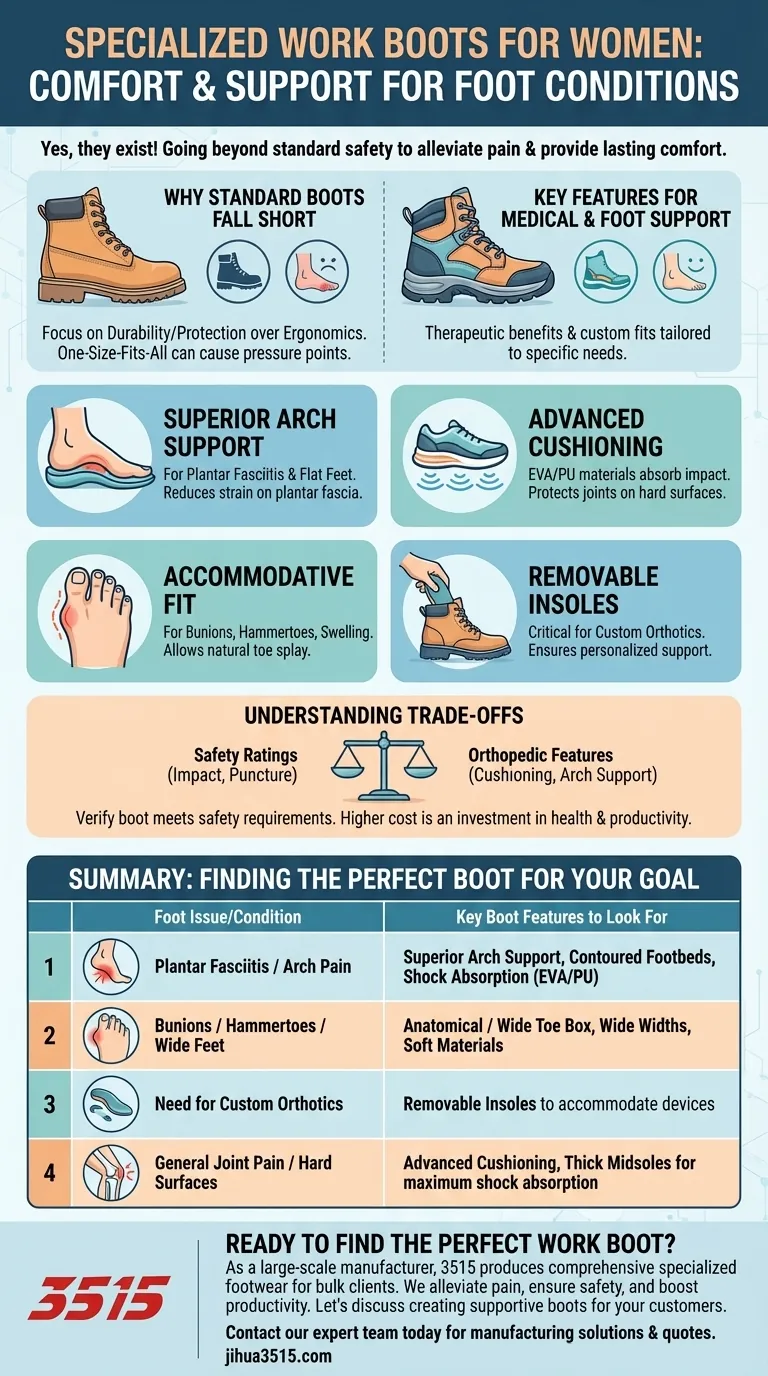
Traditional work boots are engineered first and foremost for durability and protection in high-risk environments. Their primary goal is to shield your feet from hazards like impacts, punctures, and electrical currents.
The Focus on Safety Above All
The rigid materials and heavy-duty construction required for safety certifications can sometimes come at the expense of ergonomic comfort. This can exacerbate pre-existing foot conditions.
A One-Size-Fits-All Approach
Many standard boots use a generic last (the mold a boot is shaped around) that doesn’t account for common foot issues like high arches, flat feet, or wider forefeet, leading to pressure points and pain.
Key Features for Medical and Foot Support
When searching for a work boot to address a specific foot issue, you must look past the basic safety specs and focus on the features that provide therapeutic benefits.
Superior Arch Support
For conditions like plantar fasciitis or flat feet, proper arch support is non-negotiable. Look for boots with a well-defined, contoured footbed that supports the natural curve of your foot, reducing strain on the plantar fascia ligament.
Advanced Cushioning and Shock Absorption
Long hours on hard surfaces like concrete can be brutal on your joints. Boots with thick midsoles made from materials like EVA (ethylene vinyl acetate) or PU (polyurethane) absorb impact, reducing stress on your feet, ankles, and knees.
Accommodative Fit and Toe Box
Conditions like bunions, hammertoes, or swelling require extra room. Seek out boots with an anatomical or wider toe box that allows your toes to splay naturally without being compressed.
Removable Insoles
This is a critical feature for anyone who uses custom orthotics. A boot with a removable factory insole allows you to insert your own prescribed device, ensuring you get personalized support tailored to your exact needs.
Understanding the Trade-offs
Choosing a specialized work boot often involves balancing different priorities. Understanding the potential compromises is key to making an informed decision.
Safety Ratings vs. Orthopedic Features
While many boots offer both, the most advanced, heavy-duty safety boots might not have the same level of orthopedic comfort. Conversely, a highly cushioned, supportive boot may not carry the specific safety certifications required for a high-risk job site. Always verify the boot meets your workplace safety requirements.
Higher Initial Cost
Specialized boots with orthopedic features and premium materials typically have a higher price tag. However, this should be viewed as an investment in your health, comfort, and productivity, preventing costly medical issues down the line.
Making the Right Choice for Your Goal
Your specific condition should guide your selection process.
- If your primary focus is alleviating plantar fasciitis or arch pain: Prioritize boots with excellent built-in arch support and superior shock absorption.
- If your primary focus is accommodating bunions or wide feet: Look for models specifically offered in wide widths and with a generous, anatomical toe box.
- If your primary focus is using your own custom orthotics: The most important feature is a removable insole that provides enough depth for your device.
Investing in a work boot that protects you from both external hazards and internal pain is the foundation of a long and healthy career.
Summary Table:
| Foot Issue/Condition | Key Boot Features to Look For |
|---|---|
| Plantar Fasciitis / Arch Pain | Superior arch support, contoured footbeds, excellent shock absorption (EVA/PU midsoles). |
| Bunions / Hammertoes / Wide Feet | Anatomical or wide toe box, available in wide widths, soft, non-constricting materials. |
| Need for Custom Orthotics | Removable insoles to accommodate your prescribed orthotic devices. |
| General Joint Pain / Standing on Hard Surfaces | Advanced cushioning, thick midsoles for maximum shock absorption and comfort. |
Ready to Find the Perfect Work Boot for Your Needs?
As a large-scale manufacturer, 3515 produces a comprehensive range of specialized footwear for distributors, brand owners, and bulk clients. We understand that comfort and safety are not mutually exclusive. Our production capabilities encompass all types of orthopedic and supportive shoes and boots designed to meet specific medical and ergonomic requirements.
We can help you provide footwear that:
- Alleviates Pain: Integrates therapeutic features like arch support and cushioning.
- Ensures Safety: Meets necessary industry standards for protection.
- Boosts Productivity: Keeps workers comfortable and focused all day.
Let's discuss creating the right supportive work boots for your customers.
Contact our expert team today to explore our manufacturing solutions and request a quote.
Visual Guide
Related Products
- Durable Leather Moc Toe Work Boots for Wholesale & Custom Manufacturing
- Durable Goodyear Welt Leather Work Boots for Wholesale & Private Label
- Durable Leather Work Boots for Wholesale & Custom Manufacturing
- Wholesale Leather Work Boots with Customizable Wedge Sole for Brands
- Durable Moc-Toe Wedge Work Boots | Wholesale Manufacturing for Brands
People Also Ask
- What are moc toe work boots designed for? Superior Comfort and Mobility for Tradespeople
- What are the key features to look for when purchasing moc toe boots? A Guide to Durability & Fit
- How did moc toe boots originate? A Legacy of Workwear Durability and Style
- What clothing items complement the Outdoorsman/Heritage Look with moc toe boots? Build a Timeless, Rugged Wardrobe
- What types of outfits can moc toe boots be worn with? Versatile Style Guide