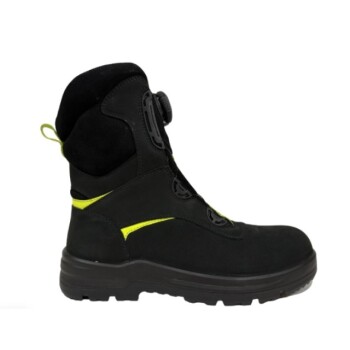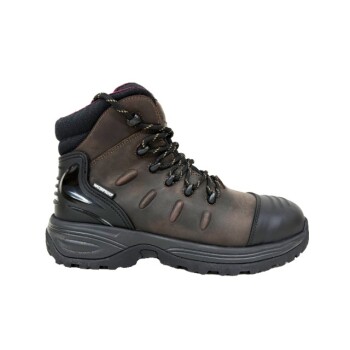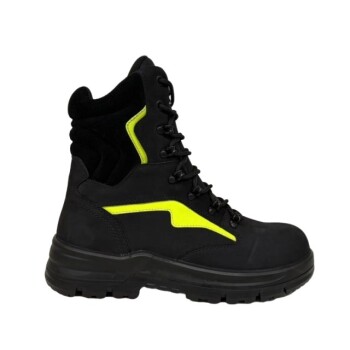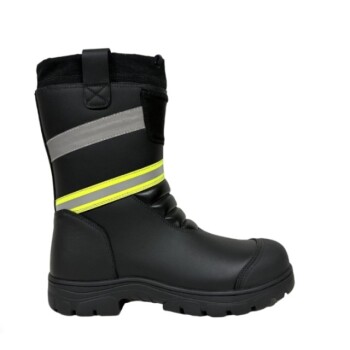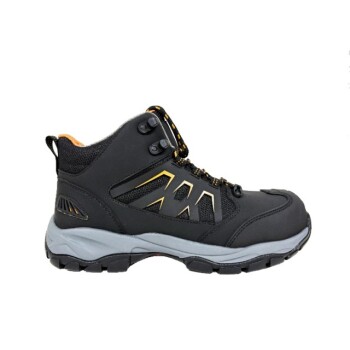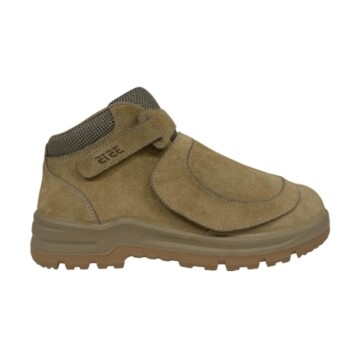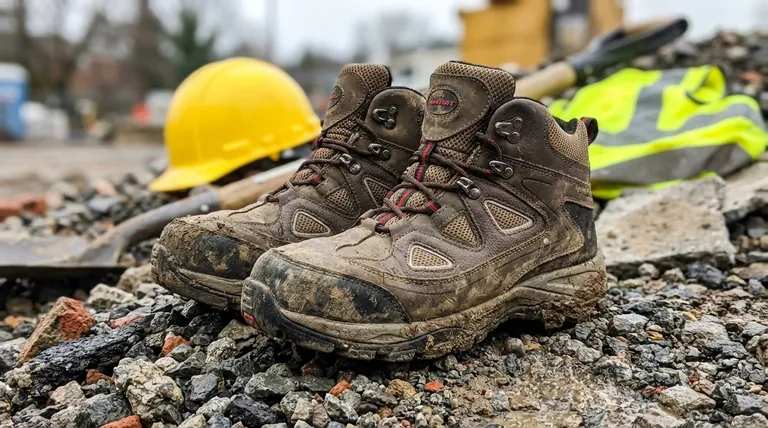
Does this sound familiar? You’ve invested in a large order of what you believed were high-quality safety boots for your team. They have the right safety rating, they look durable, and the initial feedback is fine. But just a few months later, the reports start trickling in: split seams, peeling surfaces, and soles separating from the upper. Soon, you’re facing another costly replacement cycle, wondering why the footwear that looked so promising on paper is falling apart in the real world.
The Costly Cycle of "Good Enough" Footwear
When safety footwear fails, the immediate response is often to blame the brand or seek a slightly cheaper alternative to offset the unexpected replacement costs. Teams might try switching from one style of leather boot to another, or from one synthetic to a different one, hoping for a better outcome.
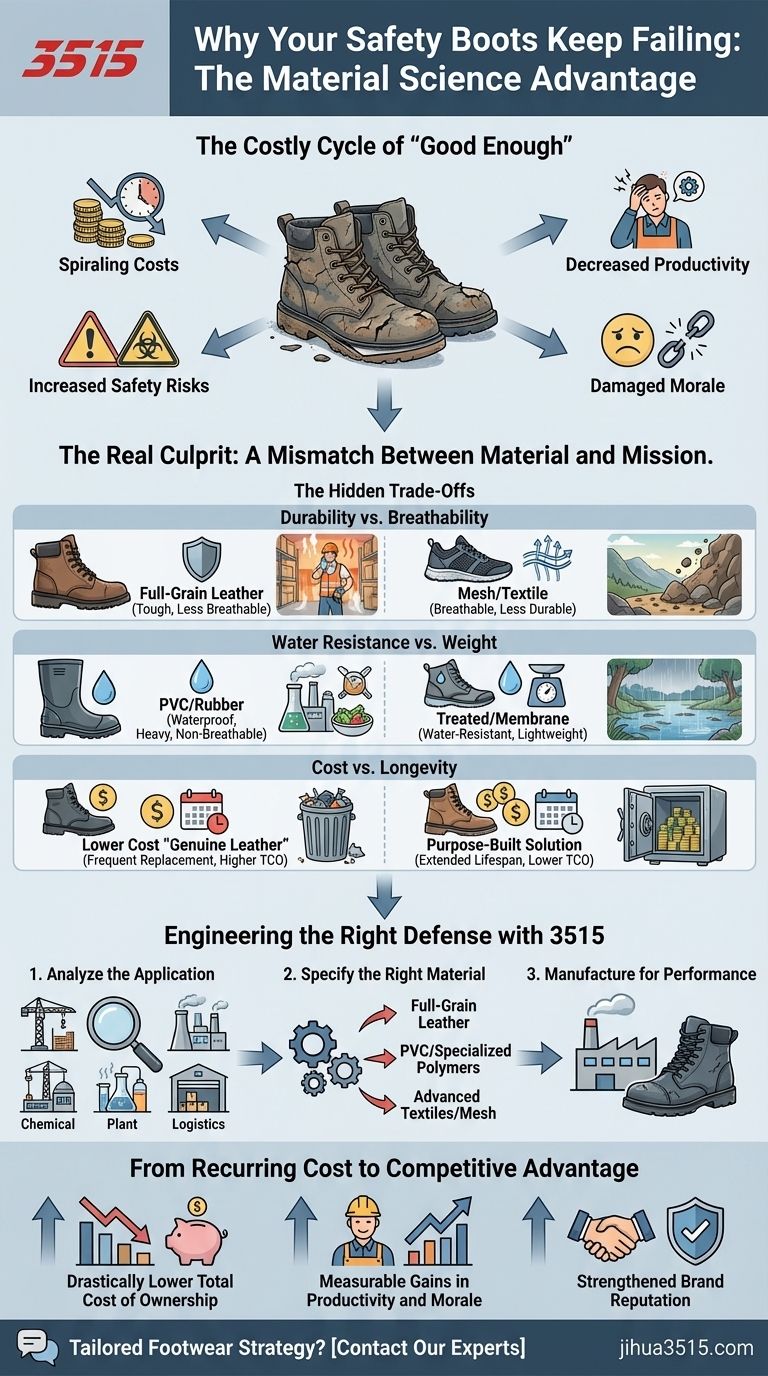
This approach is a common trap. It treats the symptom—the failing boot—without diagnosing the underlying disease. The consequences ripple through the business:
- Spiraling Costs: Constant replacement cycles destroy budgets and turn a predictable operational expense into a volatile financial drain.
- Decreased Productivity: An employee wearing uncomfortable or failing footwear is a distracted employee. Foot fatigue, heat, and moisture are not minor inconveniences; they directly impact focus and work rate.
- Increased Safety Risks: The most obvious danger. A boot that fails structurally no longer provides the protection it was designed for, exposing your team to immediate physical hazards.
- Damaged Morale: Providing equipment that doesn't last sends a message to your team that their comfort and safety are not a top priority, leading to complaints and frustration.
The truth is, switching brands is often a lateral move. The problem isn't the logo on the side of the boot; it's a fundamental mismatch between the boot's materials and the specific demands of the job.
The Real Culprit: A Mismatch Between Material and Mission
The component that takes the most diverse punishment—from abrasion and flexing to chemical splashes and constant moisture—is the upper. And here lies the critical detail that most purchasing decisions overlook: no single upper material is universally "the best." Every material is an engineering compromise.
The failure you're seeing isn't a sign of 'bad quality' as much as it's a sign of the wrong tool for the job.
The Hidden Trade-Offs
Choosing an upper material involves balancing three key factors:
- Durability vs. Breathability: A thick, full-grain leather upper is incredibly resistant to cuts and scrapes, making it ideal for construction or heavy manufacturing. However, that same toughness means it's less breathable, which can be unbearable in a hot, indoor warehouse environment. Conversely, a lightweight mesh upper provides fantastic airflow but would be shredded in minutes on a rugged outdoor site.
- Water Resistance vs. Weight: PVC and rubber uppers offer a perfect waterproof seal, essential for food processing or chemical handling. But they are often heavier and completely non-breathable. For environments with intermittent water exposure, a water-resistant treated leather or a synthetic with a waterproof membrane offers a much more comfortable, lightweight solution.
- Cost vs. Longevity: A lower-cost "genuine leather" boot might seem like a smart purchase, but it lacks the durability of full-grain leather and will need to be replaced far more frequently in a high-wear environment, leading to a higher total cost of ownership over time.
The reason your old "solutions"—like simply buying a more expensive leather boot for everyone—failed is that they ignored these trade-offs. You put a breathable boot in a wet environment, or a heavy-duty boot on a worker who needed flexibility and comfort. The boot was destined to fail from the day it was ordered.
Engineering the Right Defense with an Expert Partner
To break this expensive cycle, you need to shift from simply buying boots to strategically specifying them. This requires a partner who understands material science at an engineering level—one who can move beyond a catalog and help you build the right footwear for the specific mission.
This is where a large-scale, experienced manufacturer like 3515 becomes a critical asset. Our value isn't just in producing footwear; it's in our deep, practical knowledge of how these materials perform in the field.
As a manufacturing partner, we help you solve the root cause of footwear failure by:
- Analyzing the Application: We don't start with a product list. We start with your environment. Is the primary challenge chemical exposure, constant abrasion, extreme heat, or deep water?
- Specifying the Right Material: Based on that analysis, we guide you to the optimal material. For a rugged construction site, we engineer a solution with full-grain leather. For a wet and chemical-heavy processing plant, we build boots with resilient PVC or specialized polymers. For a fast-paced logistics center, we design lightweight, flexible footwear using advanced textiles and mesh.
- Manufacturing for Performance: Because we control the entire production process, we ensure that the final product is not just a collection of parts, but a purpose-built tool designed for its specific environment, ensuring longevity and performance.
Beyond the Fix: From a Recurring Cost to a Competitive Advantage
When you get the upper material right, something remarkable happens. The problem of failing footwear doesn't just go away—it transforms into an opportunity.
With footwear engineered for the specific task, you unlock new potential:
- Drastically Lower Total Cost of Ownership: Boots last longer, replacement cycles are extended, and your budget becomes stable and predictable.
- Measurable Gains in Productivity and Morale: Teams equipped with comfortable, appropriate footwear work more safely and efficiently, with fewer complaints.
- Strengthened Brand Reputation: For distributors and brand owners, you can now confidently offer a product that stands up to its promises, building customer loyalty and trust.
The right footwear is more than just personal protective equipment; it's a strategic investment in your team's safety and your operational efficiency. Stop the cycle of premature replacements and user complaints. Our team of footwear experts can help you analyze your specific work environments and engineer a solution that delivers lasting value and protects your people and your bottom line.
To discuss how a tailored footwear strategy can solve your persistent challenges, Contact Our Experts.
Visual Guide
Related Products
- Puncture-Resistant Velcro Safety Boots for Wholesale & Custom Manufacturing
- Wholesale Durable Safety Boots | Custom Steel Toe & Puncture-Resistant Manufacturing
- Premium Grain Leather Safety Boots for Bulk Supply
- Heavy-Duty Waterproof Nubuck Safety Boots Safety Shoes for Bulk Supply
- Premium High-Cut Waterproof Safety Boots Manufacturing & Wholesale Solutions
Related Articles
- The Unseen Engineering: Why Steel Toes Succeed or Fail in Oily Environments
- The Anatomy of Trust: A Systems Approach to Workplace Foot Protection
- The Lacing Paradox: Why the Safest Boots Contain Their Own Greatest Risk
- How Industrial Professionals Can Balance Safety Boot Requirements with Professional Appearance
- How to Choose Safety Boots That Reduce Fatigue Without Sacrificing Protection