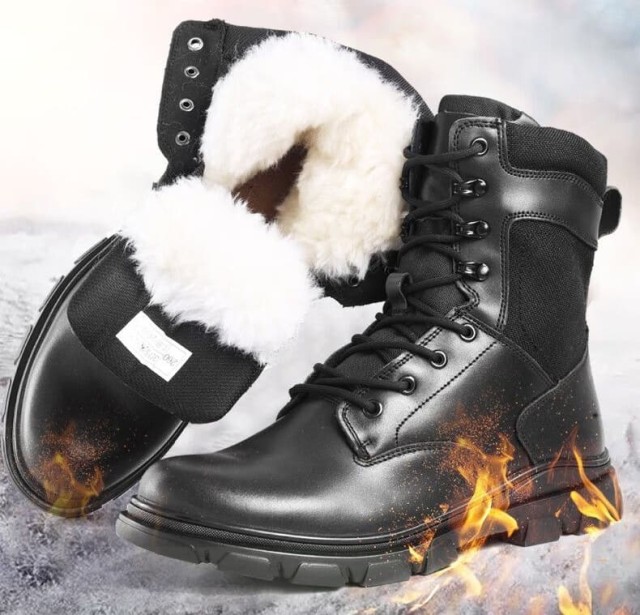
Hunter boots excel in wet conditions but require strategic upgrades for winter performance. This guide reveals practical methods to enhance warmth and traction while maintaining their iconic waterproof protection.
Hunter Boots in Snow: Strengths and Limitations
Hunter boots dominate rainy weather but face inherent challenges in snow and ice. Understanding these limitations helps you make informed winter upgrades.
Dryness vs. Warmth: The Core Trade-Off
The same rubber construction that blocks moisture also conducts cold. Research shows materials like neoprene insulate far better than PVC or standard rubber—critical for sub-freezing temperatures. Without added layers, feet lose heat rapidly even when dry.
Traction Challenges on Ice and Compacted Snow
The smooth tread pattern designed for mud and rain struggles on icy surfaces. Unlike snow boots with deep lugs or Arctic grip soles, Hunter boots lack aggressive traction, increasing slip risks.
Upgrading Your Hunter Boots for Winter
Transform your boots into cold-weather allies with these proven insulation and stability upgrades.
Best Insulation Layers
- Fleece Liners: Add removable thermal liners that trap body heat. Neoprene versions (0.5–1 cm thick) offer the best balance of warmth and flexibility.
- Thermal Socks: Merino wool or heat-retentive synthetic blends compensate for the boots’ minimal insulation. Layer thinner moisture-wicking socks underneath to prevent sweat buildup.
- Heat Packs: Disposable or rechargeable foot warmers provide 4–8 hours of supplemental heat during extreme cold.
Traction Add-Ons
- Ice Grips: Slip-on traction devices with carbide spikes improve grip on ice by over 70% compared to bare soles. Choose low-profile models to avoid altering the boot’s fit.
- Sole Modifications: Adhesive tread strips or professional resoling with winter-specific rubber compounds enhance stability.
- DIY Fixes: Scoring shallow grooves into the soles with a rotary tool can create temporary traction (though this may void warranties).
When to Choose Hunter vs. Dedicated Snow Boots
Hunter boots work best in:
- Wet snow or slush (above 20°F/-6°C)
- Short-duration outings (
- Urban environments with cleared pathways
Switch to insulated snow boots when:
- Temperatures drop below 10°F/-12°C
- Hiking or prolonged exposure is expected
- Traversing ungroomed ice or steep terrain
Upgrade with Confidence
For bulk buyers and distributors seeking cold-weather footwear solutions, 3515 offers scalable production of insulated winter boots combining Hunter’s waterproof legacy with advanced thermal engineering. [Contact our team] to explore OEM options tailored to your market’s needs.
Related Products
- Wholesale Durable Safety Boots | Custom Steel Toe & Puncture-Resistant Manufacturing
- Premium Wholesale Tactical Style Safety Shoes Boots with Quick Lacing
- Durable Goodyear Welt Leather Work Boots for Wholesale & Private Label
- Durable Leather Work Boots for Wholesale & Custom Manufacturing
- Premium Wholesale Waterproof Safety Boots High Performance Protection for Industrial Markets
Related Articles
- How Industrial Professionals Can Balance Safety Boot Requirements with Professional Appearance
- How to Choose Safety Boots That Reduce Fatigue Without Sacrificing Protection
- The Lacing Paradox: Why the Safest Boots Contain Their Own Greatest Risk
- The Anatomy of Trust: A Systems Approach to Workplace Foot Protection
- How to Decode Safety Labels for Boots That Truly Protect Against Workplace Hazards



















