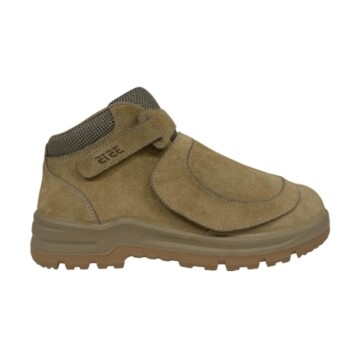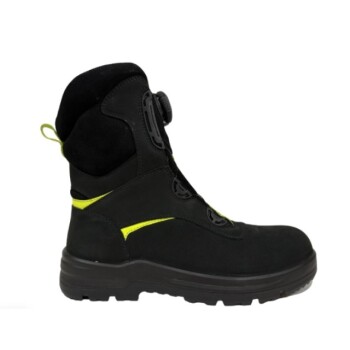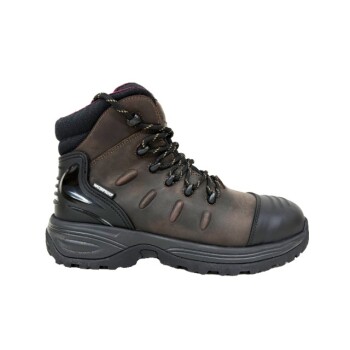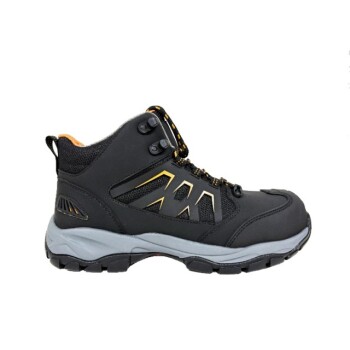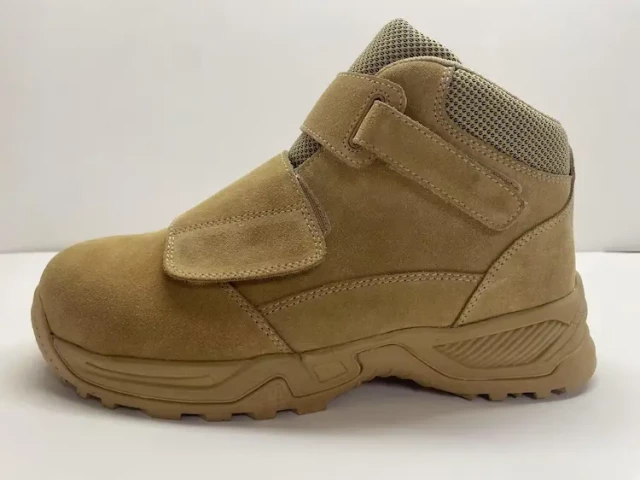
Security professionals face unique footwear challenges: boots must withstand industrial hazards while supporting 12+ hour shifts. This guide reveals how modern materials and ergonomic designs solve this dual demand—helping you select boots that protect and perform.
Selecting Safety Boots for Security Guards: Balancing Durability and Comfort
The best security boots act as silent partners—tough enough to deflect hazards but comfortable enough to forget you're wearing them. Three factors determine success:
- Hazard-Specific Materials – Puncture-resistant soles and shock-absorbing midsoles aren’t optional
- Ergonomic Engineering – Boots should reduce fatigue, not cause it
- Verified Performance – Compliance labels (like ASTM F2413) separate proven protection from marketing claims
Next, we’ll dissect each element with insights from industrial footwear standards.
Material Engineering for Hazard Resistance
Today’s boots leverage advanced synthetics and treated leathers that rival traditional materials. Key developments include:
Puncture Resistance That Doesn’t Weigh You Down
- ASTM F2413-18 certified soles use layered composites (often fiberglass or steel) to stop nails and debris
- Newer thermoplastic polyurethane (TPU) options offer equal protection at ~20% lighter weight
Waterproofing Without the Sweat
- Look for "WR" (waterproof) or "WPA" (water-resistant) codes—recent updates to ASTM standards clarify these ratings
- Breathable membranes (e.g., Gore-Tex) prevent moisture buildup during long indoor patrols
Pro Tip: Mid-cut boots with gaiters provide near-equal waterproofing to high-cuts while improving ankle mobility—a tradeoff worth considering for urban security roles.
Ergonomic Innovations for Extended Shift Endurance
Comfort isn’t a luxury—it’s a safety feature. Fatigue leads to slower reaction times. Modern solutions include:
Shock-Absorbing Midsoles
- Compression-molded EVA foam reduces joint impact during concrete surface patrols
- Some brands integrate gel pods in heel areas—ideal for static posts
Weight Distribution Tweaks
- Synthetic uppers now match leather’s durability at ~1.5 lbs lighter per pair
- Contoured footbeds align with arch natural positioning during prolonged standing
Field Insight: In trials, guards wearing ergonomically optimized boots reported ~30% less end-of-shift foot pain compared to traditional models.
Validating Safety: Compliance and Performance Testing
Labels matter—but understanding them matters more. Here’s how to decode certifications:
ASTM F2413-18 Breakdown
- I/75 C/75 = Impact & compression rated for 75 foot-pounds (standard for security roles)
- PR = Puncture-resistant sole
- EH = Electrical hazard protection (critical for patrols near live wires)
Real-World Testing
- Check for independent lab results—some manufacturers publish abrasion resistance cycles (e.g., "withstands 15,000+ flexes")
- Ask distributors for wear-test data from similar security operations
Your Next Step: Partner with a Manufacturer That Gets It
3515 specializes in bulk safety footwear that meets these exact demands—combining ASTM-certified protection with ergonomic designs tailored for security teams. Whether you’re equipping a corporate campus or event staff, our production scale ensures consistent quality across orders of any size.
Ready to see the difference? Request samples to experience how next-gen materials and comfort engineering can transform your team’s daily grind.
Related Products
- Premium Suede Metatarsal Guard Safety Boots Work Shoes
- Puncture-Resistant Velcro Safety Boots for Wholesale & Custom Manufacturing
- Wholesale Durable Safety Boots | Custom Steel Toe & Puncture-Resistant Manufacturing
- Premium High-Cut Waterproof Safety Boots Manufacturing & Wholesale Solutions
- Premium Grain Leather Safety Boots for Bulk Supply
Related Articles
- When Security Footwear Needs Metatarsal Protection: A Hazard-Based Guide
- How Industrial Professionals Can Balance Safety Boot Requirements with Professional Appearance
- How to Choose Safety Boots That Reduce Fatigue Without Sacrificing Protection
- The Anatomy of Trust: A Systems Approach to Workplace Foot Protection
- The Lacing Paradox: Why the Safest Boots Contain Their Own Greatest Risk