For security professionals, foot protection often focuses on toe caps—but what about the vulnerable metatarsal bones? Understanding when and why to use metatarsal guards could mean the difference between a close call and a career-ending injury.
Metatarsal Protection Decoded for Security Professionals
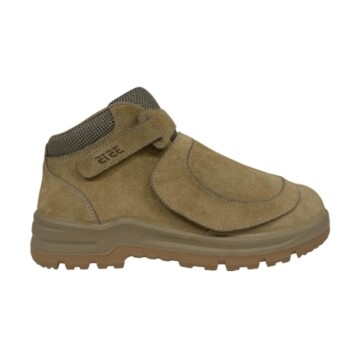
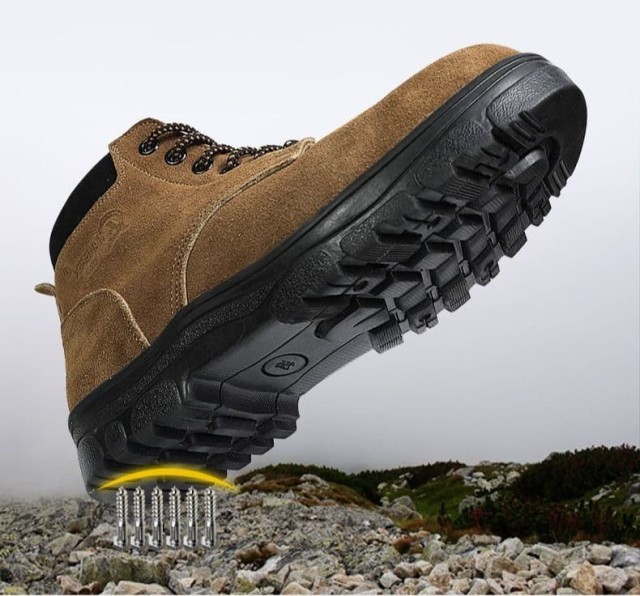
Metatarsal guards (or "met guards") act as a shield for the top of your foot, specifically protecting the five long bones between your ankle and toes. These bones are highly susceptible to crushing injuries from falling objects or heavy equipment. Research shows that even moderate impacts (around 30-75 foot-pounds of force) can fracture metatarsals, leading to prolonged recovery times.
How Heavy Object Risks Differ Across Security Environments
Not all security roles face equal hazards. Consider these scenarios:
- Static Guard Duty: Low risk if patrolling light commercial areas with minimal overhead hazards.
- Industrial Site Security: High risk from falling tools, machinery parts, or collapsing materials.
- Event Crowd Control: Moderate risk from equipment drops (e.g., stage gear) or trampling forces.
A 2021 OSHA report noted that over 60% of foot injuries in industrial security roles involved metatarsal damage, often from objects weighing as little as 20 pounds dropped from waist height.
OSHA Standards vs. Real-World Hazard Scenarios
While OSHA 1910.136 mandates foot protection when "employees are exposed to foot hazards," it doesn’t explicitly require met guards unless specific risks exist. Compliance isn’t just about checking boxes—ask:
- Are there overhead lifting operations?
- Is there frequent handling of heavy (>15 lbs) objects?
- Do workspaces have uneven surfaces or trip hazards?
If any answer is "yes," metatarsal protection should be part of your PPE strategy.
Selecting Proper Foot Armor
Internal vs. External Met Guard Technical Comparisons
| Feature | Internal Guards | External Guards |
|---|---|---|
| Protection | Integrated into boot design; lower profile | Detachable; easier to inspect |
| Comfort | Less bulky but may reduce breathability | Adjustable but can snag on debris |
| Durability | Longer lifespan with proper care | Replaceable when damaged |
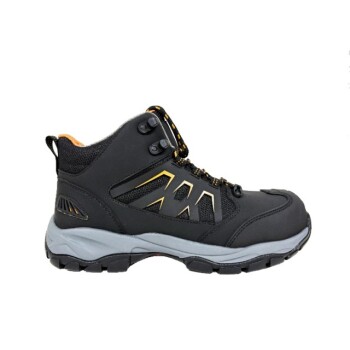
Internal guards (like those in 3515’s reinforced tactical boots) are ideal for all-day wear, while external models suit intermittent high-risk tasks.
Maintenance Checkpoints for Sustained Protection
Met guards fail if neglected. Implement these checks:
- Weekly: Inspect for cracks or deformation in the guard material.
- Post-Impact: Replace guards after any significant strike, even if no visible damage exists.
- Cleaning: Remove dirt buildup that could hide structural weaknesses.
A study by the National Safety Council found that 40% of foot injuries occurred due to poorly maintained PPE—don’t let your gear become a liability.
Final Recommendation: Match Protection to Your Threat Profile
Security footwear must include metatarsal guards when:
✔ Working near heavy equipment or elevated platforms
✔ Handling tools/materials above 15 lbs regularly
✔ Operating in environments with documented crush hazards
For distributors and bulk buyers, 3515 offers customizable metatarsal solutions—from lightweight internal guards for patrol officers to heavy-duty external kits for industrial teams. Protect your workforce with footwear engineered for their real-world risks.
"The best security professionals don’t just react to threats—they anticipate them. Your footwear should do the same."
Products You Might Be Looking For:
Explore customizable metatarsal safety footwear
View steel toe boots with crush protection
Related Products
- Premium Suede Metatarsal Guard Safety Boots Work Shoes
- Wholesale Leather Safety Boots with Customizable Protective Toe
- Premium Safety Shoes with Rotating Buckle Safety Sneakers
- Wholesale Mesh Steel Toe Safety Shoes with Dial Closure Factory Production
- Premium Wholesale Waterproof Safety Boots High Performance Protection for Industrial Markets
Related Articles
- How Industrial Professionals Can Balance Safety Boot Requirements with Professional Appearance
- How to Choose Safety Boots That Reduce Fatigue Without Sacrificing Protection
- The Anatomy of Trust: A Systems Approach to Workplace Foot Protection
- The Lacing Paradox: Why the Safest Boots Contain Their Own Greatest Risk
- How to Choose OSHA-Compliant Safety Boots for Manufacturing Workers