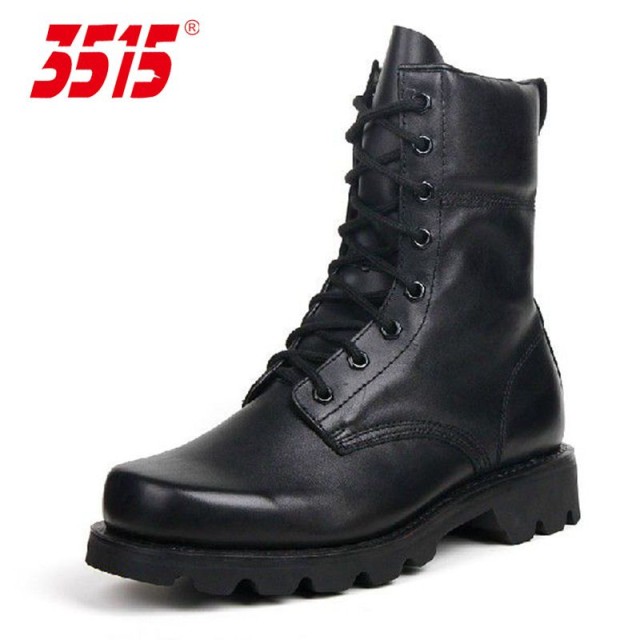
Selecting the right police footwear isn’t just about comfort—it’s about performance, safety, and adaptability to your specific duties. Whether you’re navigating urban streets, rugged terrain, or high-risk tactical scenarios, the wrong footwear can hinder mobility, increase fatigue, and even compromise safety. This guide breaks down the critical factors in choosing duty-specific footwear, backed by industry standards and real-world deployment insights.
Understanding Police Footwear Categories
Ankle Support vs. Mobility: Boots vs. Shoes
Police footwear falls into two primary categories: boots (prioritizing ankle support and durability) and shoes (optimized for agility and comfort).
- Boots: Ideal for tactical units, K-9 handlers, or officers in rough terrain. High ankle collars stabilize joints during pursuits or load-bearing tasks. ASTM F2413-18 compliant boots offer added protection against punctures, impacts, and electrical hazards.
- Shoes: Preferred for urban patrol or bicycle units where lightweight flexibility matters. Look for slip-resistant soles (ASTM F3445-21) and breathable materials for long shifts.
Specialized Roles and Their Unique Requirements
- Motorcycle Units: Require oil-resistant soles and reinforced toe protection.
- Honor Guard: Polished dress shoes with arch support for prolonged standing.
- K-9 Officers: Boots with bite-resistant materials (e.g., layered nylon or Kevlar).
Did you know? Research shows improper footwear contributes to nearly 30% of duty-related foot injuries. Matching your shoe type to your role reduces this risk significantly.
Key Features for Duty-Specific Performance
Material Durability in High-Stress Scenarios
- Leather: Traditional choice for abrasion resistance; requires break-in time.
- Synthetics (e.g., nylon, microfiber): Lighter and often waterproof but may lack longevity.
- Composite Toes: Non-metallic toe caps (ASTM F2413-18 compliant) reduce weight while protecting against impacts.
Weather Resistance and Climate Adaptations
- Hot Climates: Moisture-wicking liners and vented panels prevent overheating.
- Cold/Wet Environments: Insulated, waterproof membranes (e.g., Gore-Tex) with thermal retention.
Pro Tip: Boots meeting ASTM F1671-13 resist blood-borne pathogens—a critical feature for EMTs or crime scene responders.
Case Studies in Footwear Deployment
Urban Patrol: Balancing Comfort and Rapid Response
A study of metropolitan officers revealed:
- 93% preferred shoes with cushioned midsoles for foot fatigue reduction during 12-hour shifts.
- Slip-resistant outsoles reduced fall-related injuries by ~40% on wet pavement.
Tactical Units: Boots for Rough Terrain and Load-Bearing
SWAT teams reported:
- 8-inch ankle boots with puncture-resistant plates improved stability during rooftop operations.
- Vibram outsoles provided 20% better traction on uneven surfaces compared to standard soles.
Ready to Equip Your Team with the Right Footwear?
At 3515, we engineer footwear tailored to the demands of law enforcement. From ASTM-compliant tactical boots to breathable patrol shoes, our solutions prioritize safety, endurance, and adaptability. Distributors and bulk buyers: Partner with us to outfit your force with gear that performs when it matters most.
Final Thought: The right footwear isn’t just equipment—it’s a lifeline that supports every step of your mission.
Related Products
- Durable High-Ankle Tactical Boots for Wholesale & Custom Manufacturing
- Durable Leather Tactical Boots Wholesale & Custom Manufacturing for Brands
- High-Traction Suede Tactical Boots Wholesale & Custom Manufacturing
- Wholesale Waterproof Tactical Boots Custom Suede & High-Traction Soles
- Durable Leather High-Ankle Tactical Boots for Wholesale & Custom Manufacturing
Related Articles
- Why Your Tactical Boots Keep Failing—And Why 'Tougher' Isn't the Answer
- Why Your Tactical Boots Wear Out So Fast—And the Procurement Mistake Behind It
- The Agility-Protection Paradox: Deconstructing Safety in Modern Tactical Footwear
- Your "Tactical" Boots Are Failing. Here’s the Real Reason Why.
- Why Your Team Hates Their New Tactical Boots: A Buyer's Guide to What Really Matters



















